
The Benefits of Baby-Led Weaning: A Parent's Guide
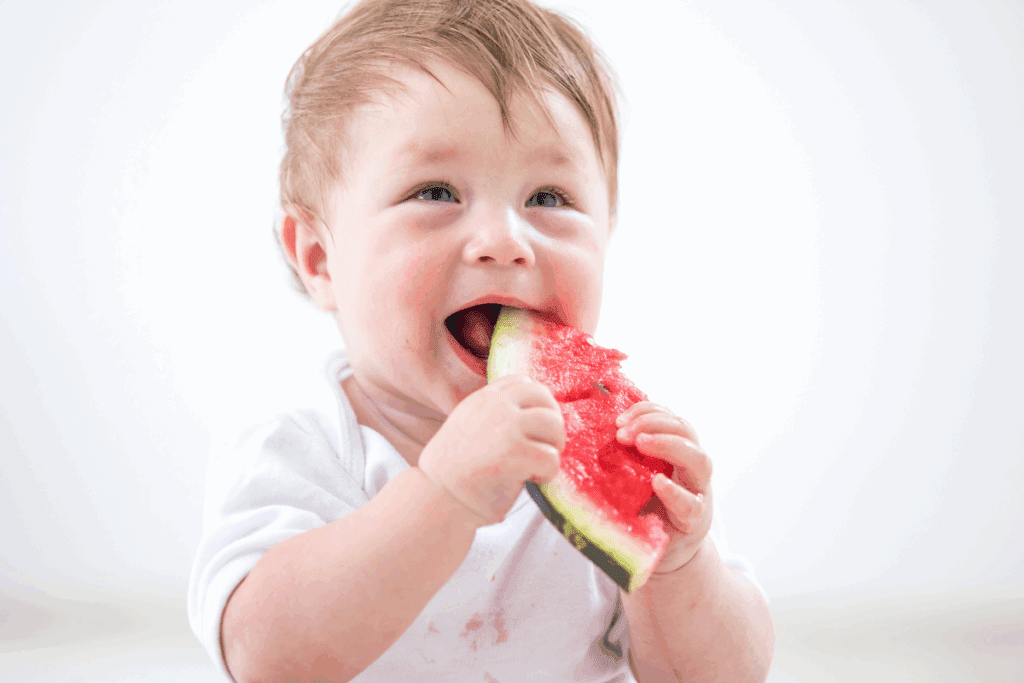
As a parent, one of the most exciting milestones in your baby’s development is the transition to solid foods. With so many feeding methods available, one increasingly popular approach is baby-led weaning (BLW).
This method allows your baby to take the lead in introducing solid foods, letting them explore different textures, tastes, and develop their eating skills at their own pace.
If you're considering this method for your little one, this guide will provide you with the benefits of baby-led weaning and offer tips for getting started.
What is Baby-Led Weaning?
Baby-led weaning is a method of introducing solid foods where babies feed themselves right from the start, typically at around 6 months of age. Instead of starting with purees, babies are offered whole foods in a form that they can grasp, chew, and swallow independently.
This method encourages babies to explore food using their hands, allowing them to develop their fine motor skills and decision-making abilities early on.
 The Benefits of Baby-Led Weaning
 The Benefits of Baby-Led Weaning
Baby-led weaning is more than just a feeding choice—it can have numerous positive effects on your baby’s development. Below are some of the key benefits:
Promotes Independence and Self-Regulation
One of the primary benefits of BLW is that it fosters independence. By allowing your baby to feed themselves, you give them the opportunity to take control of their eating habits.
They can decide how much they want to eat, when they want to eat, and at their own pace. This helps babies develop a sense of self-regulation, which is crucial for avoiding overeating or under-eating later in life.
Babies are able to listen to their hunger cues and stop eating when they’re full, which may reduce the chances of developing unhealthy eating patterns in the future.
Enhances Fine Motor Skills
Feeding themselves with a variety of foods encourages your baby to use their hands and fingers, helping to develop their fine motor skills.
Grasping, pinching, and moving food to their mouths enhances hand-eye coordination and strengthens the muscles needed for other milestones, such as holding utensils or self-feeding as they grow.
BLW also promotes dexterity, as babies learn how to handle different shapes, textures, and sizes of food. This hands-on approach provides opportunities for your baby to practice and improve their physical abilities.
Encourages Healthy Eating Habits
 Encourages Healthy Eating Habits
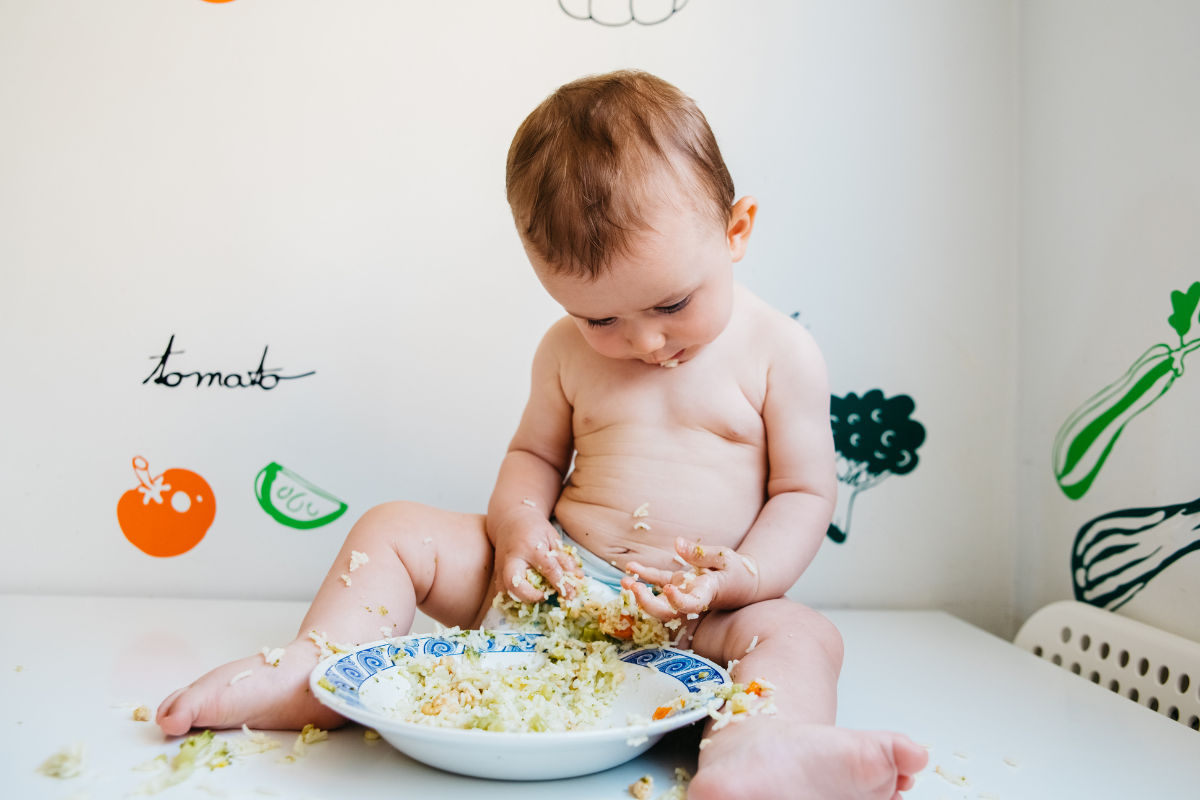
Introducing a wide range of whole foods early on can help establish positive relationships with food.
Unlike purees or spoon-feeding, BLW encourages babies to explore various textures, flavors, and colors of food, which helps them develop a more diverse palate.
Because babies are eating foods that are not mashed or pureed, they are exposed to the natural textures of food, which can improve their ability to chew and enjoy different kinds of food.
This also encourages them to be more adventurous eaters as they grow older and move beyond the initial stages of solids.
Additionally, with BLW, babies are more likely to enjoy a wide range of vegetables and fruits since they are encouraged to try everything on their own terms.
Improves Oral Development
BLW supports oral development by allowing babies to chew a variety of foods from an early age. Chewing helps develop their jaw muscles, teeth, and overall oral motor skills, which are important for both eating and speaking.
Babies learn how to manipulate food in their mouths and experience the sensation of chewing, which is essential for proper speech development and swallowing.
Introducing a variety of food textures also helps to strengthen their gums and prepares them for more complex foods as they grow.
Promotes Family Meal Time Participation
 Promotes Family Meal Time Participation
Baby-led weaning naturally encourages family mealtimes where everyone eats together. With traditional spoon-feeding, parents often feel separated from the baby during meals, as the baby is fed separately.
However, with BLW, babies are included in family meals, allowing them to observe and mimic their parents and siblings. This sense of participation can enhance the social and emotional aspects of eating, making mealtime more enjoyable and less stressful for everyone.
Reduces the Risk of Picky Eating
Because BLW introduces babies to a wide variety of foods early on, it can help reduce the likelihood of picky eating later in life.
Since babies are exposed to different flavors and textures at a young age, they are more likely to develop an appreciation for different foods and less likely to reject new ones.
The freedom to explore and taste foods on their own terms helps babies develop curiosity and confidence in eating, reducing the resistance many children face when trying new foods as they grow older.
How to Start Baby-Led Weaning
If you're considering starting baby-led weaning, here are some practical tips to ensure success:
Wait for the Signs of Readiness
 Wait for the Signs of Readiness
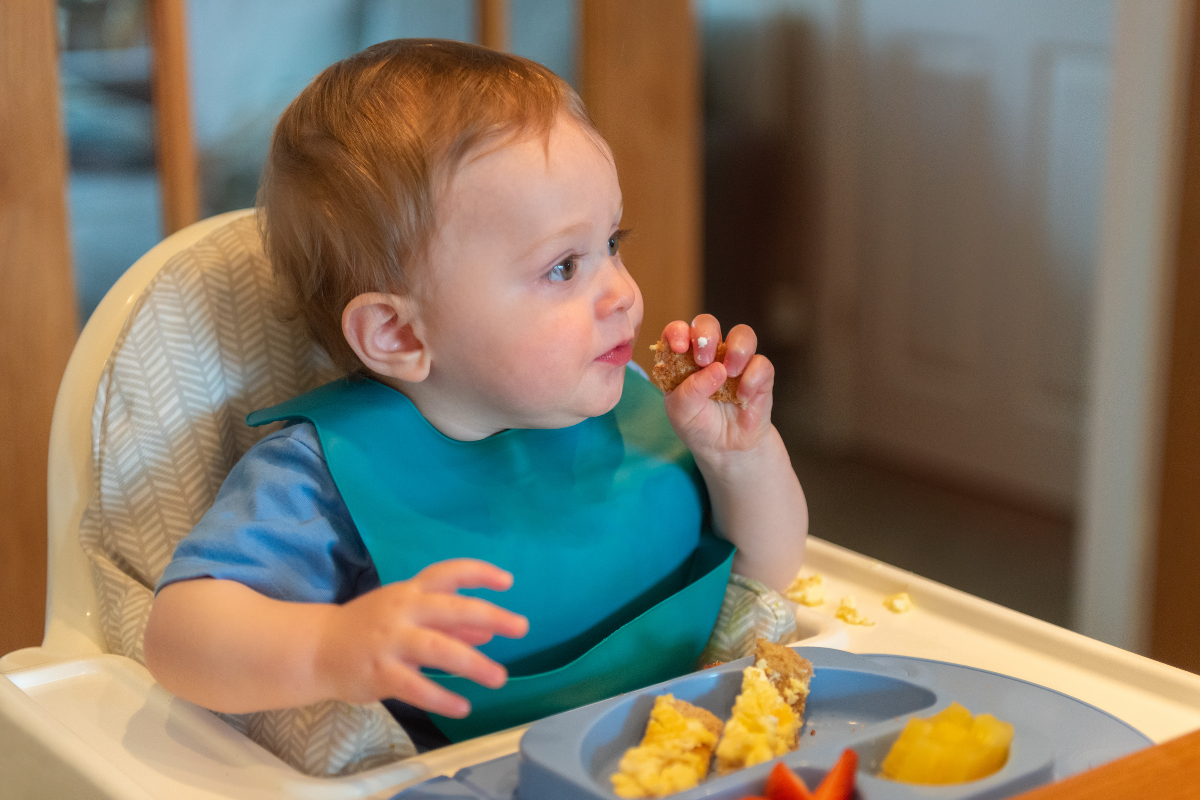
Before starting BLW, make sure your baby is ready for solids. Signs of readiness typically include:
Sitting up independently with little to no support
Good head and neck control
Showing interest in food (watching others eat, reaching for food)
Ability to grasp and hold objects
Most babies are ready for BLW around 6 months of age, but it’s important to consult your pediatrician if you have any concerns about your baby’s readiness for solids.
Choose the Right Foods
Start with foods that are soft, easy to hold, and safe for babies to chew. Good first foods include:
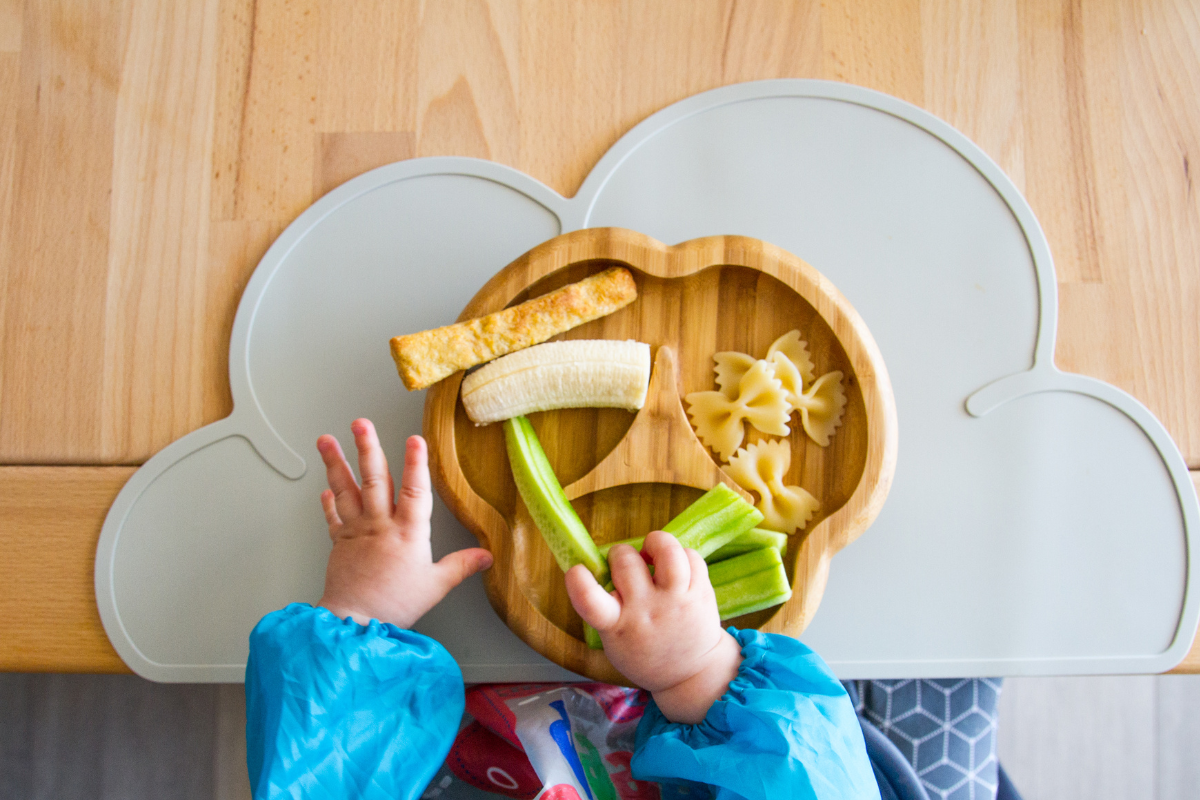
Soft fruits like bananas, avocado, or peaches, cut into manageable pieces
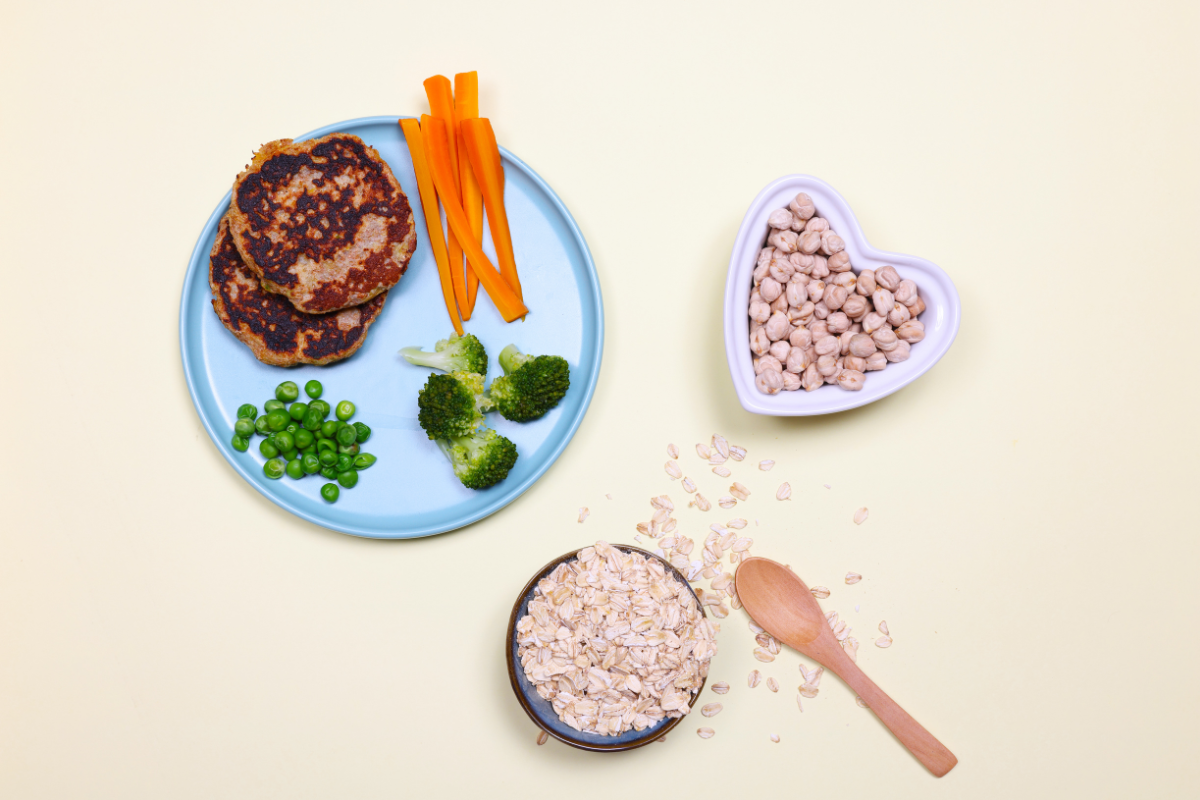
Steamed vegetables such as carrots, sweet potatoes, or broccoli
Soft-cooked pasta or toast sticks
Soft cheese slices or yogurt
Avoid choking hazards like whole grapes, hard nuts, or raw vegetables. Always cut food into small, manageable pieces that your baby can hold and bring to their mouth.
Create a Safe Eating Environment
 Create a Safe Eating Environment
Make sure the eating area is safe for your baby. You’ll need a high chair with good support, so your baby can sit upright while eating.
Keep the environment clean and free from distractions to help your baby focus on eating. Always supervise your baby during mealtimes to ensure they are safe and avoid any choking risks.
Be Patient and Let Your Baby Explore
Baby-led weaning is not a quick process—expect some mess and a lot of experimentation. Let your baby explore the food and learn how to use their hands to bring it to their mouth.
Keep the mealtime light-hearted and fun, as this will help your baby develop a positive relationship with food.
Gradually Introduce More Foods
Once your baby gets the hang of it, begin introducing a greater variety of foods. Offer foods with different textures and flavors to encourage them to expand their palate.
Gradually, you can introduce more challenging foods as your baby becomes more confident with chewing.
Final Thoughts: Embracing the Journey of Baby-Led Weaning
Baby-led weaning is an exciting and empowering way to introduce your baby to solid foods. By allowing your little one to take the lead in feeding, you’re helping them develop important skills like self-regulation, fine motor skills, and a love for diverse foods.
While it can be messy at times, the benefits of BLW, from promoting independence to encouraging healthy eating habits, are truly worth it. Remember, every baby is different, so take your time, trust your instincts, and enjoy watching your baby explore the world of food in their own unique way.
Did you find this post useful or inspiring? Save THIS PIN to your PARENTING Board on Pinterest! 😊


You may also like