
The Benefits of Unstructured Family Playtime for Child Creativity
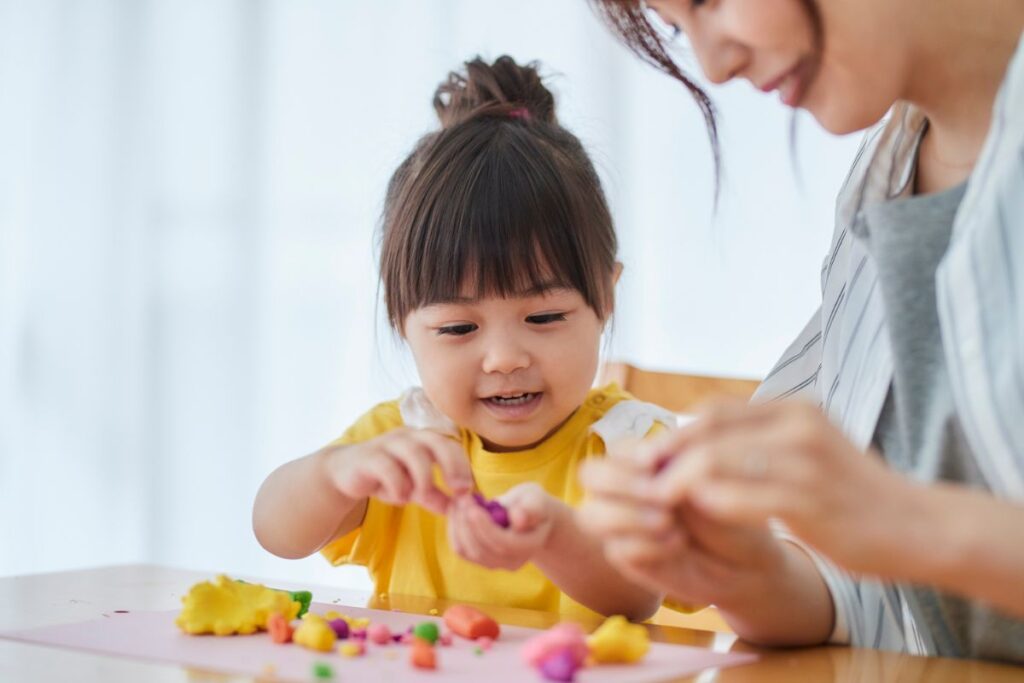
Unstructured playtime is a wonderful and often overlooked aspect of a child’s development. It provides opportunities for creativity, emotional growth, and cognitive development.
Families can play a crucial role in encouraging this type of play, which allows children to explore, imagine, and learn at their own pace. In this article, we will explore the numerous benefits of unstructured family playtime and how it contributes to fostering creativity in children.
What is Unstructured Play?
Unstructured play, also known as free play, is any activity that children engage in without a set agenda, rules, or guidance from adults. It could be as simple as playing with toys, running around in the backyard, or creating make-believe worlds with siblings.
Unlike structured play, where specific instructions and goals are given (like a sports game or educational activity), unstructured play is open-ended and driven by the child’s imagination.
 Fostering Creativity Through Unstructured Play
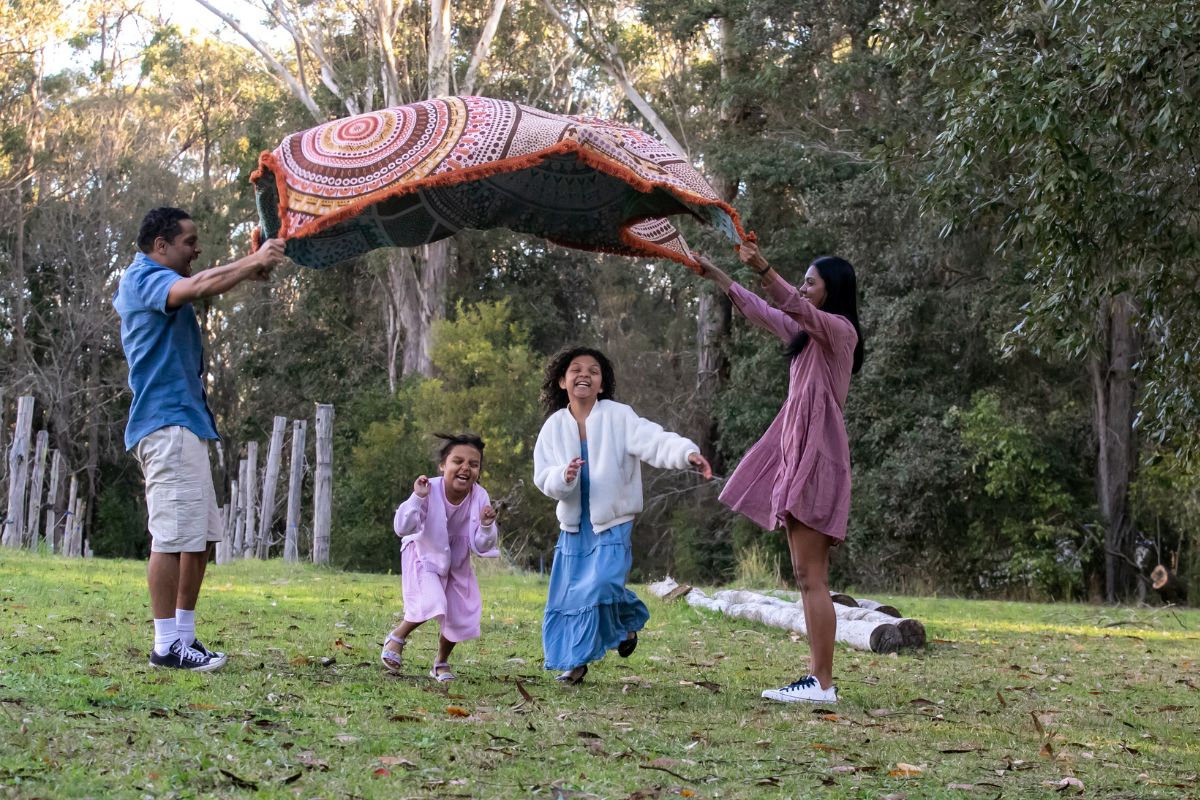 Fostering Creativity Through Unstructured Play
Unstructured playtime is a breeding ground for creativity. When children have the freedom to play without restrictions, they are encouraged to think outside the box, create their own rules, and express themselves in unique ways. Here’s how it nurtures their creative abilities:
Encourages Imagination
One of the most significant benefits of unstructured play is its ability to stimulate a child’s imagination. Whether they’re pretending to be superheroes, building forts, or inventing new games, they have the chance to create entire worlds and scenarios from scratch.
This type of play fosters problem-solving skills, as children figure out how to interact with each other and their environment.
Promotes Critical Thinking
Unstructured play also allows children to develop critical thinking skills. As they encounter challenges or puzzles in their play, they must think on their feet and come up with solutions.
For instance, if their fort falls down or a toy breaks, they will need to figure out how to fix it. These small problem-solving moments add up, improving their ability to think independently and make decisions.
Encourages Risk-Taking
In a world where children are often guided by rules and safety precautions, unstructured play allows for a level of controlled risk-taking. Climbing a tree, jumping off a swing, or experimenting with new materials teaches children how to assess risks and deal with the consequences.
These experiences help them build resilience and learn from their mistakes.
Unstructured Play as a Bonding Experience for Families
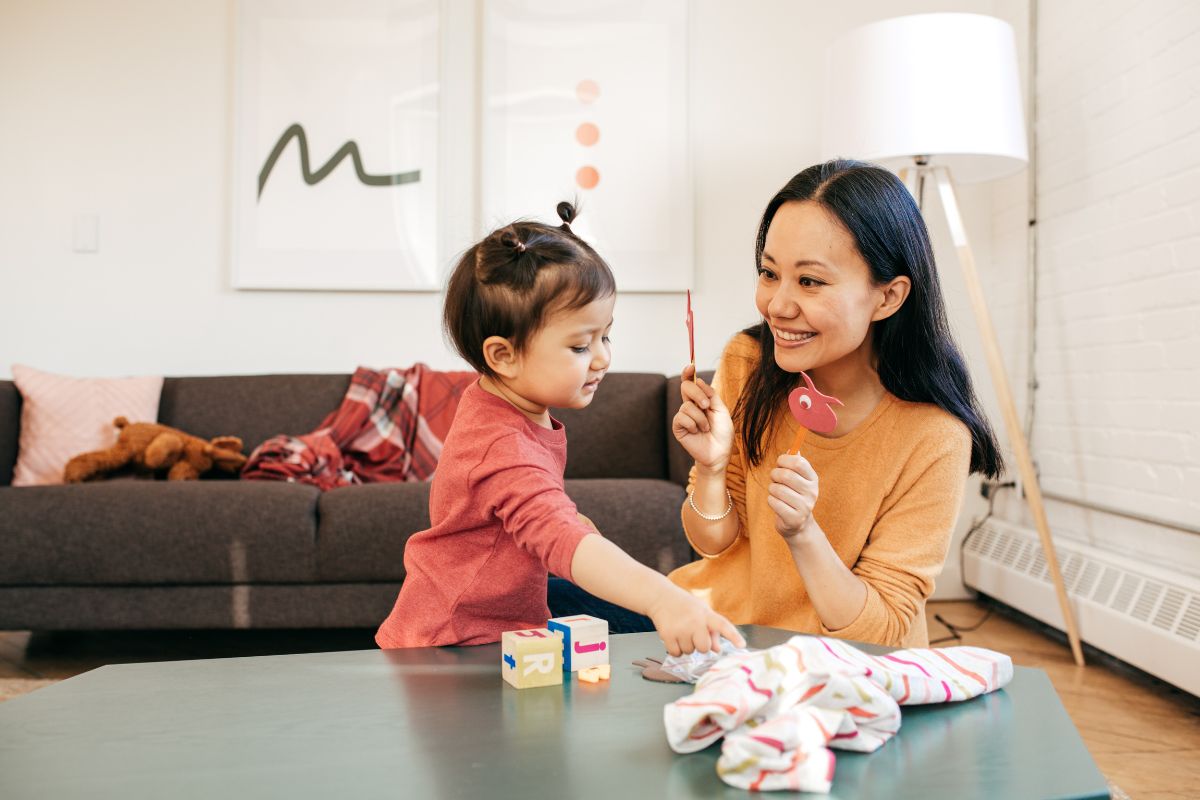 Unstructured Play as a Bonding Experience for Families
While the benefits of unstructured play for children are clear, the positive impact extends to families as well. When parents or caregivers join in on free play activities, they contribute to creating meaningful connections that can enhance family dynamics.
Strengthening Family Relationships
Spending time together without the pressure of a structured activity allows family members to bond in a relaxed, fun atmosphere. Whether it’s playing a game, telling stories, or just enjoying each other’s company, unstructured play promotes healthy family relationships.
Parents and children can communicate freely, fostering a sense of trust and closeness.
Modeling Playfulness
When parents engage in unstructured play, they also model playfulness for their children. Children look to their parents for guidance, and seeing their parents enjoy play without agendas can inspire them to embrace the same attitude.
This encourages a positive approach to learning and creativity, showing children that it’s okay to be spontaneous and enjoy the process rather than focusing solely on outcomes.
Creating Lasting Memories
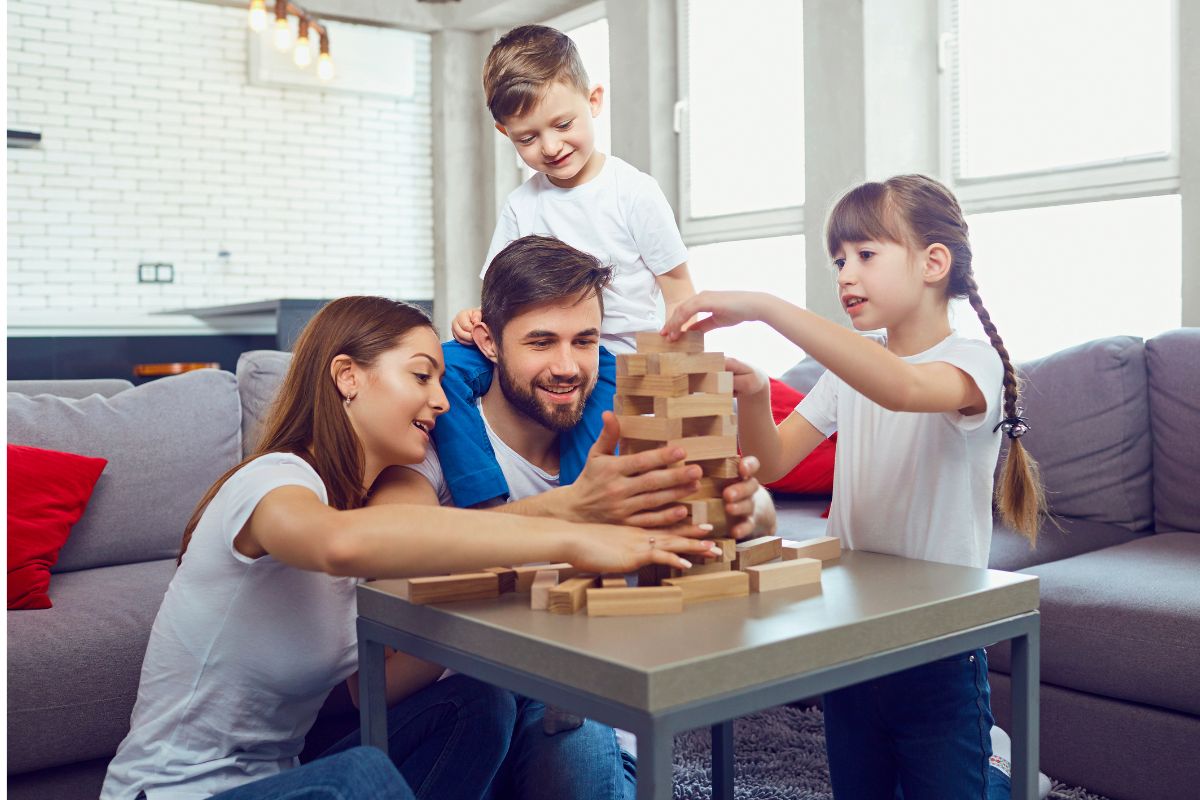 Creating Lasting Memories
Unstructured play creates opportunities for lasting memories that children will treasure for years to come.
These are the moments when children can look back and remember the fun they had with their family, whether it was a silly game of tag, building a sandcastle, or creating a family treasure hunt.
These memories form the foundation for strong emotional bonds and a sense of belonging within the family.
Supporting Emotional and Social Development
Unstructured play doesn’t just stimulate creativity—it also supports important emotional and social development. Children who engage in free play are more likely to develop a sense of self-confidence and empathy.
Emotional Expression
Without the constraints of structured activities, children are free to express their emotions through play. If they are feeling frustrated, excited, or even sad, they can use their toys or actions to show what they are experiencing.
This emotional expression helps children understand and manage their feelings in a healthy way.
Improved Social Skills
 Improved Social Skills
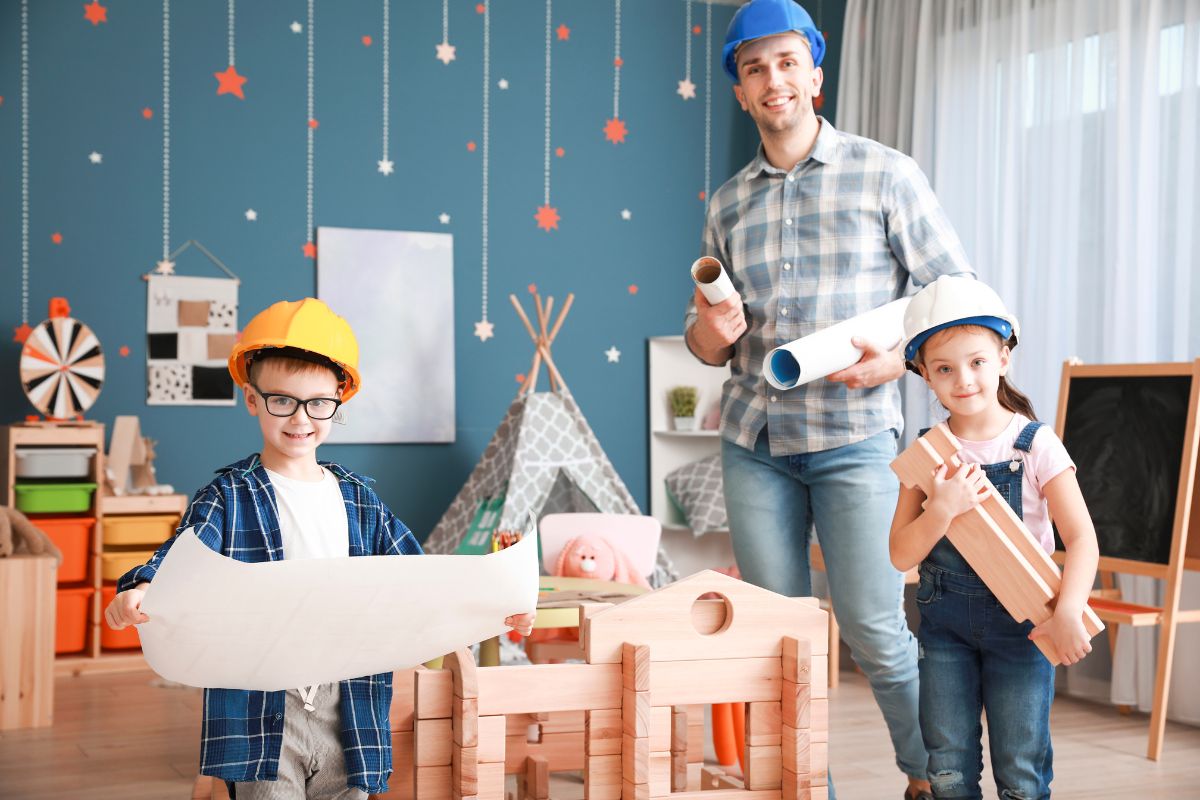
Unstructured play often involves group activities, which are perfect for developing social skills. Children learn how to share, cooperate, negotiate, and resolve conflicts during their playtime.
These interactions are essential for building friendships and understanding the dynamics of group behavior, which are crucial aspects of social development.
How Parents Can Encourage Unstructured Play
As much as children benefit from unstructured play, parents can also play a significant role in fostering an environment that encourages free play. Here are some ways parents can support and enhance unstructured playtime:
Create a Safe Play Environment
Ensure that children have access to safe spaces where they can engage in free play. A safe, child-friendly space will allow them to explore without worry. This can be as simple as a clean play area at home or a secure backyard where they can run and create freely.
Provide Open-Ended Toys
Toys that can be used in various ways, such as building blocks, art supplies, or dolls, provide the perfect opportunities for unstructured play. These toys encourage creativity because children can use them in different ways each time they play.
Be Present, but Not Overbearing
 Be Present, but Not Overbearing
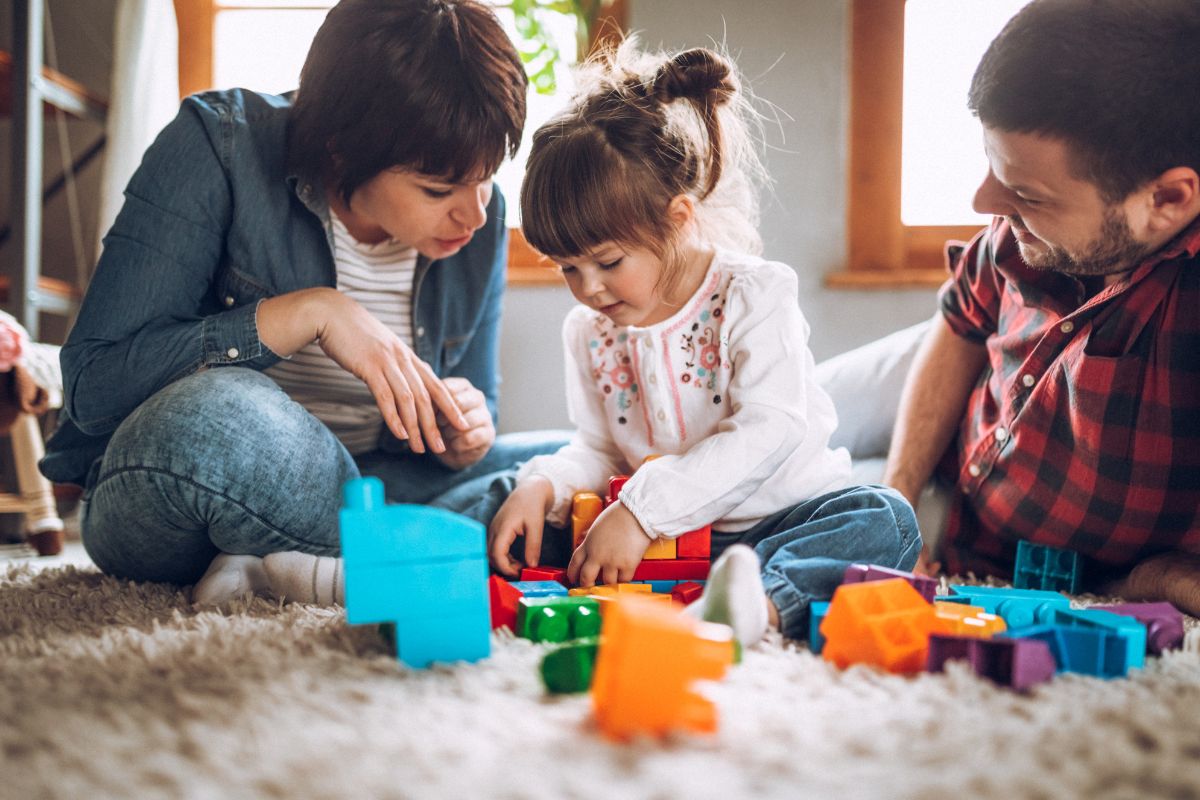
Parents can encourage unstructured play by being present but not directing the activity. Offering gentle guidance when needed is helpful, but it’s essential to step back and allow children to take the lead in their play.
A Foundation for Creativity, Bonding, and Growth
Unstructured family playtime is more than just a way for children to have fun—it’s a vital part of their creative, emotional, and social development.
By giving children the freedom to explore, imagine, and interact on their own terms, families provide a solid foundation for creativity, problem-solving, and emotional intelligence.
When parents actively engage in unstructured play, they help build stronger relationships and create lasting memories that will shape their child’s development for years to come.
Did you find this post useful or inspiring? Save THIS PIN to your PARENTING Board on Pinterest! 😊

You may also like