
The Benefits of Volunteering as a Family
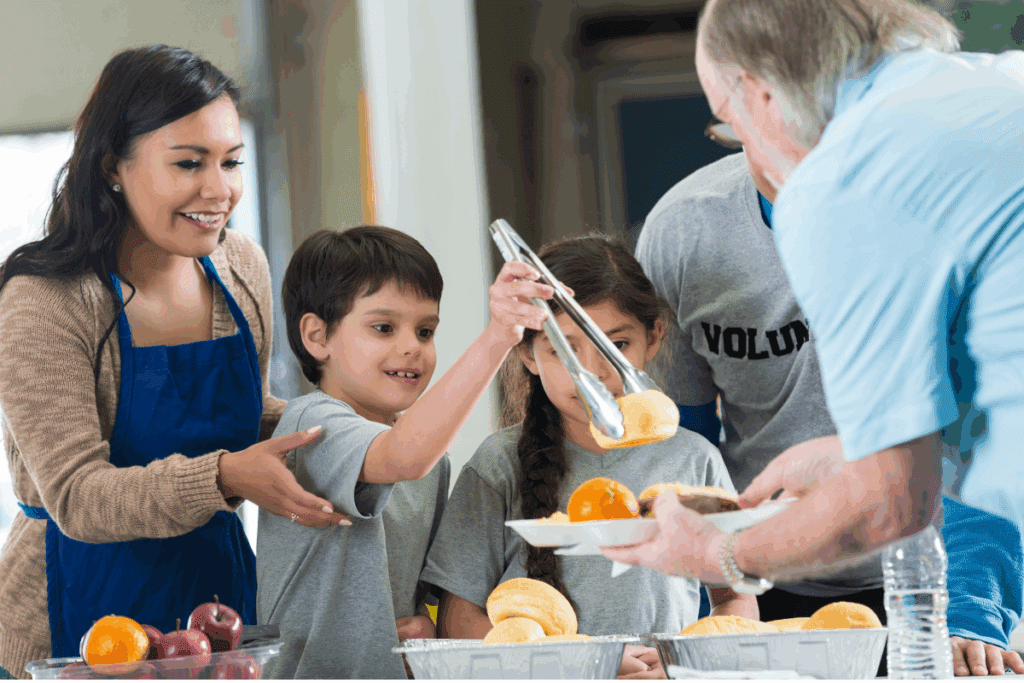
Volunteering as a family is a meaningful and rewarding way to spend time together while giving back to your community.
Whether it’s helping at a local food bank, participating in a neighborhood clean-up, or supporting a charity event, family volunteering offers numerous benefits that go beyond just helping others.
It’s a powerful way to instill values, create lasting memories, and build stronger bonds. In this article, we’ll explore the benefits of volunteering as a family and how it can positively impact everyone involved.
Why Volunteer as a Family?
Family volunteering is more than just an activity—it’s an opportunity to teach valuable life lessons, foster a sense of community, and develop a spirit of generosity. Here are several reasons why volunteering together is so important:
Strengthening Family Bonds
Volunteering provides an opportunity for families to spend quality time together outside of their regular routines. It encourages teamwork and communication as family members work toward a shared goal.
Whether you’re sorting donations or planting trees, these activities create lasting memories that bring families closer.
 Instilling Important Values in Children
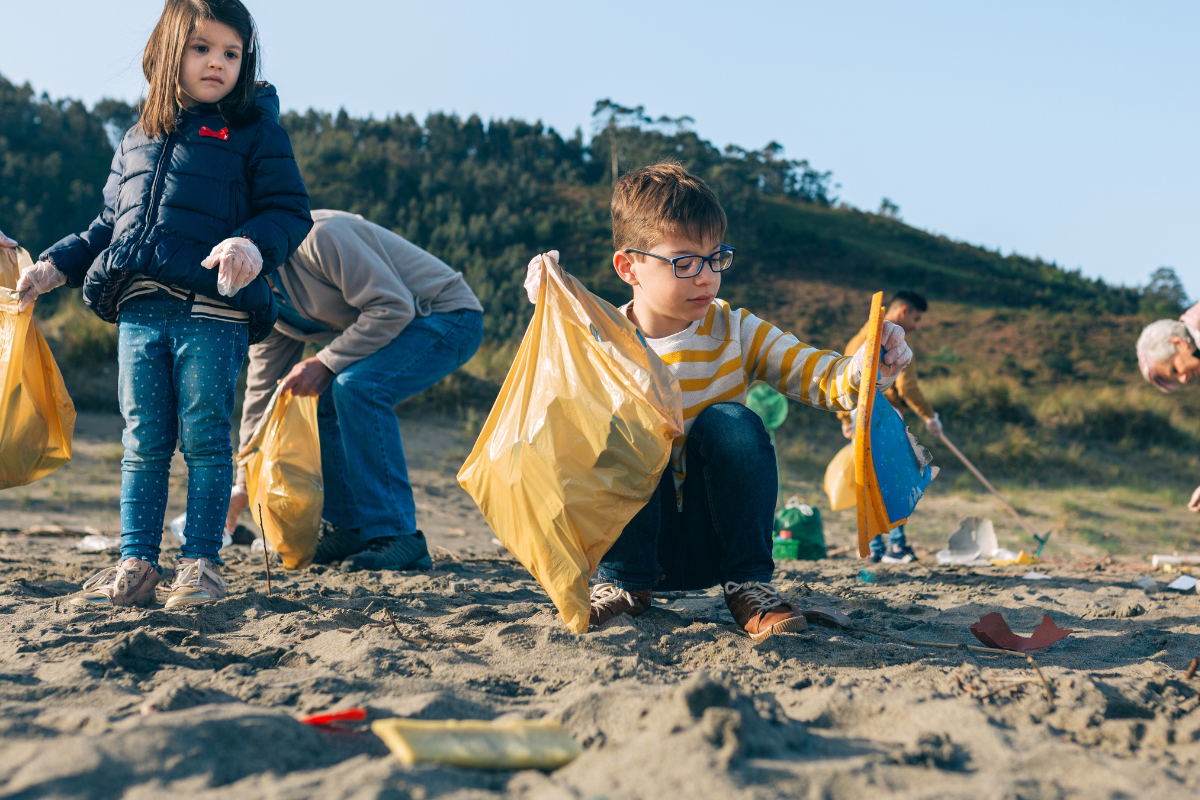 Instilling Important Values in Children
Volunteering is one of the most effective ways to teach children about empathy, compassion, and responsibility. By volunteering together, children learn the importance of giving back to others and the value of community involvement.
It’s a hands-on way for them to understand the impact of their actions on others and the world around them.
Creating Shared Experiences and Memories
The experiences gained from volunteering are often unforgettable. Whether it’s helping to build homes, organizing events, or working with underprivileged groups, these shared experiences provide a sense of accomplishment and unity.
Family members can bond over their efforts, which leads to more meaningful connections and a sense of pride in what they’ve achieved together.
Setting a Positive Example
When children see their parents volunteering, they are more likely to adopt these behaviors in the future.
Parents who volunteer set a positive example for their children, showing them that it’s important to care for others and contribute to society. This can lead to a lifelong habit of service and generosity.
The Personal and Emotional Benefits of Volunteering
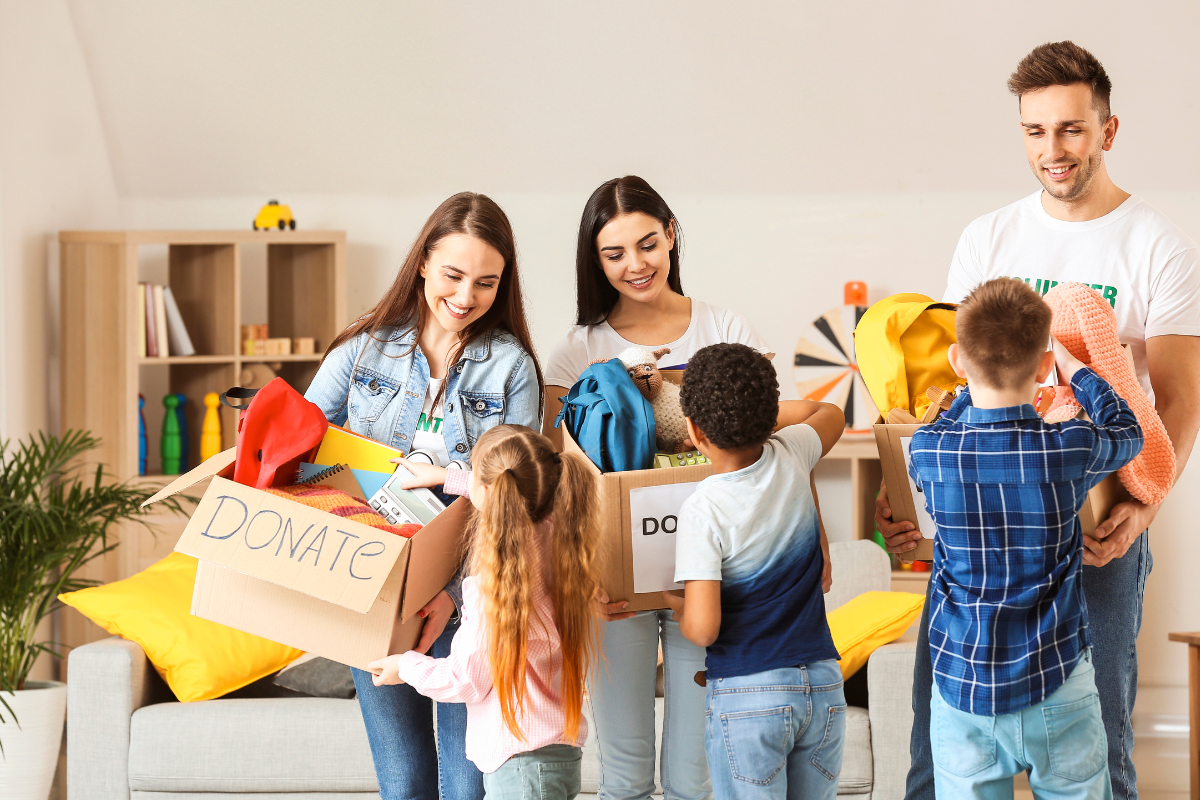 The Personal and Emotional Benefits of Volunteering
Volunteering as a family isn’t just about the community—it also provides a range of personal and emotional benefits for all family members.
Boosting Self-Esteem and Confidence
When families volunteer, especially in activities that require learning new skills or stepping outside their comfort zones, it can boost self-esteem and confidence.
Completing a task together—such as organizing a charity drive or serving food—gives everyone involved a sense of accomplishment and pride in their ability to make a difference.
Building a Sense of Gratitude
Volunteering helps children and adults alike develop a greater sense of gratitude for what they have. Experiencing the struggles of others can lead to a deeper appreciation for their own resources and privileges.
It encourages families to focus on thankfulness and appreciation, rather than taking their blessings for granted.
Promoting Mental and Emotional Well-Being
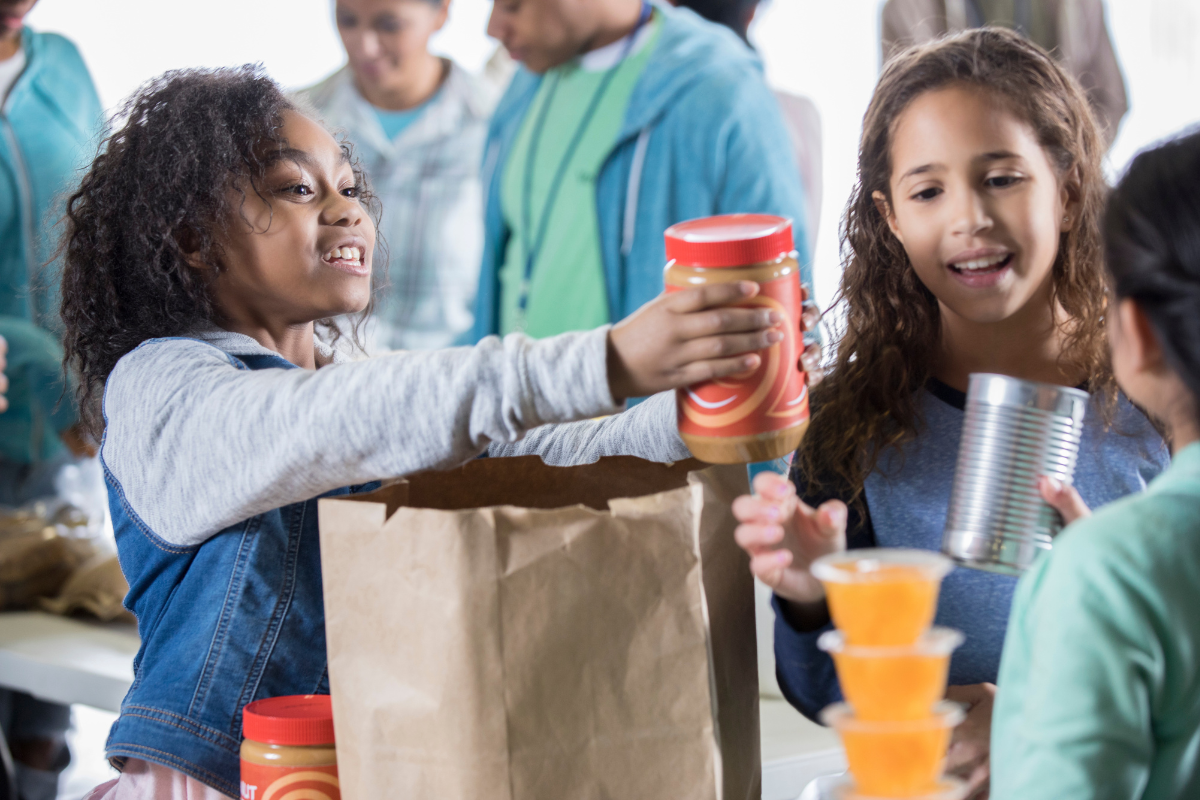 Promoting Mental and Emotional Well-Being
Helping others has been shown to improve overall mental health and well-being. Engaging in acts of kindness, especially as a family, can lead to increased feelings of happiness, reduced stress, and a greater sense of purpose.
Studies have found that volunteer work can reduce symptoms of depression and increase overall satisfaction in life.
Volunteering as an Educational Experience
Volunteering provides more than just emotional and social benefits—it can also be an educational experience for children.
Developing New Skills
When families volunteer together, each member, including children, often learns something new. Whether it’s problem-solving, teamwork, communication, or specific tasks related to the volunteer work, everyone gains valuable experience.
For example, a family might learn about food distribution, environmental conservation, or organizing charity events.
These experiences not only enrich children’s knowledge but also enhance their ability to tackle challenges creatively and collaboratively in the future.
Learning About Social Issues
 Learning About Social Issues
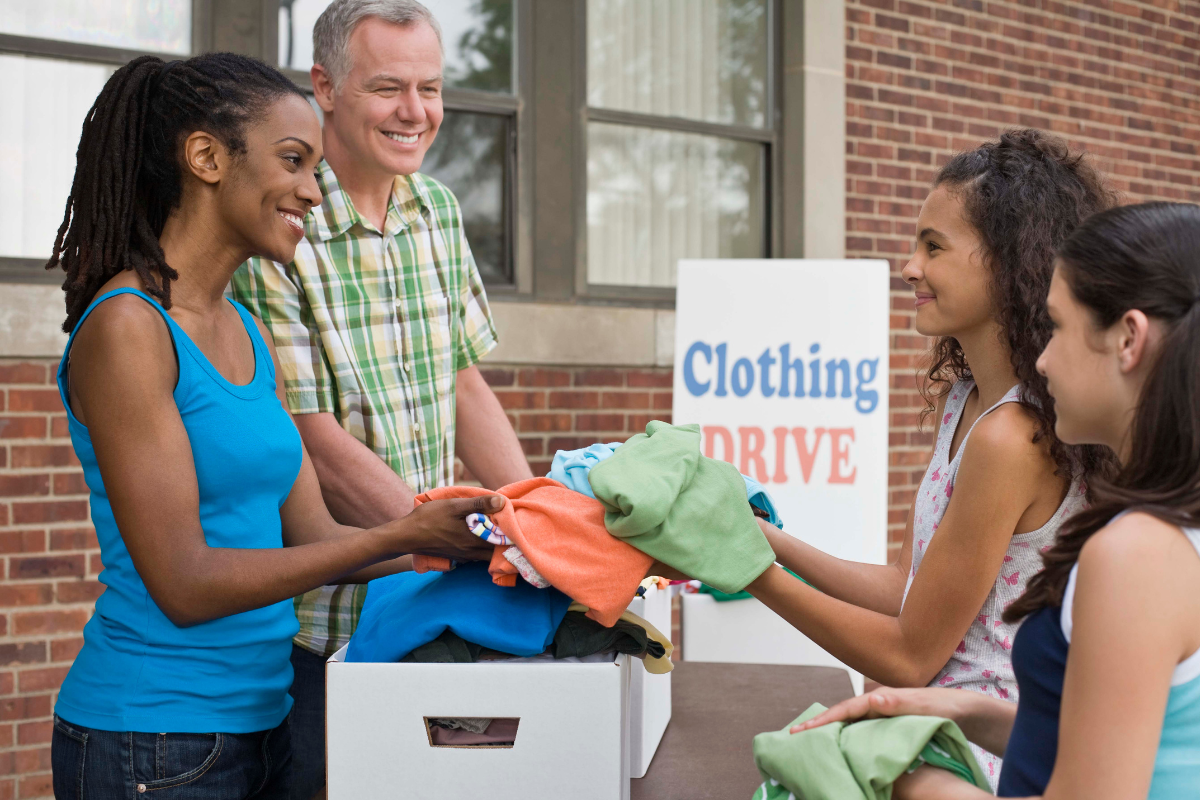
Volunteering provides an opportunity for children to learn about social issues and community needs firsthand.
Whether they’re helping at a shelter or assisting with environmental cleanup, children are exposed to the realities of the world and can develop a broader understanding of different cultures, socioeconomic backgrounds, and community challenges.
This exposure helps them develop a sense of social responsibility and a desire to make positive changes in the world.
Encouraging Active Citizenship
Through volunteering, children learn that they can actively participate in their communities and make a real impact. It encourages them to become active citizens, contributing not just as individuals, but as part of a larger collective effort to improve society.
Tips for Volunteering as a Family
To ensure your family’s volunteering experience is both enjoyable and impactful, consider the following tips:
Choose Age-Appropriate Activities
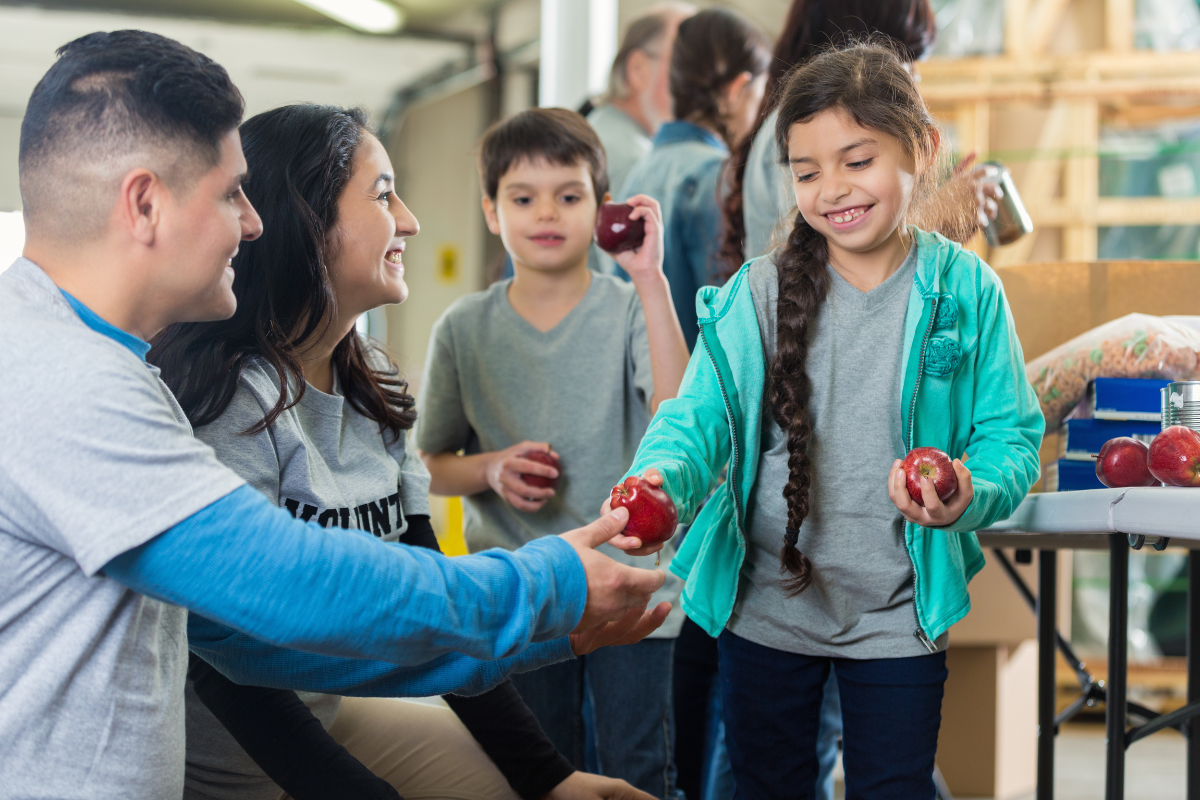
Make sure that the volunteering activities are suitable for your children’s ages and abilities. Some tasks might be more suitable for older children, while others are better suited for younger kids.
Find volunteer opportunities that allow everyone to contribute in meaningful ways, from sorting donations to baking cookies for a fundraiser.
Set Realistic Expectations
 Set Realistic Expectations
Don’t over-schedule or pressure your family into volunteering more than is feasible. The goal is to enjoy the process, not to feel overwhelmed.
Start with small, manageable tasks, and gradually increase your involvement as your family becomes more comfortable with the process.
Make It Fun and Rewarding
Volunteering should be a fun and rewarding experience for everyone. Take time to celebrate your efforts together, whether by enjoying a meal after the event or sharing stories about the experience.
This positive reinforcement will make your family more excited to volunteer again in the future.
Get Involved in Local Causes
Look for volunteer opportunities within your community so your efforts can have a direct impact. Local organizations often have family-friendly volunteer programs, which can make it easier to find opportunities that match your family’s interests.
Strengthening Family Bonds Through Service
Volunteering as a family is a powerful way to not only give back to your community but also to create meaningful connections and lasting memories.
By volunteering together, you can instill important values in your children, build family bonds, and foster a sense of gratitude and responsibility.
Whether it’s working together on a service project, supporting a local cause, or learning about social issues, volunteering is an enriching experience that brings families closer while making a positive impact on the world around them.
Start small, set realistic goals, and enjoy the rewarding experience of making a difference together.
Did you find this post useful or inspiring? Save THIS PIN to your PARENTING Board on Pinterest! 😊

You may also like