
The Science of Baby Skin Care: Understanding Newborn Sensitivities
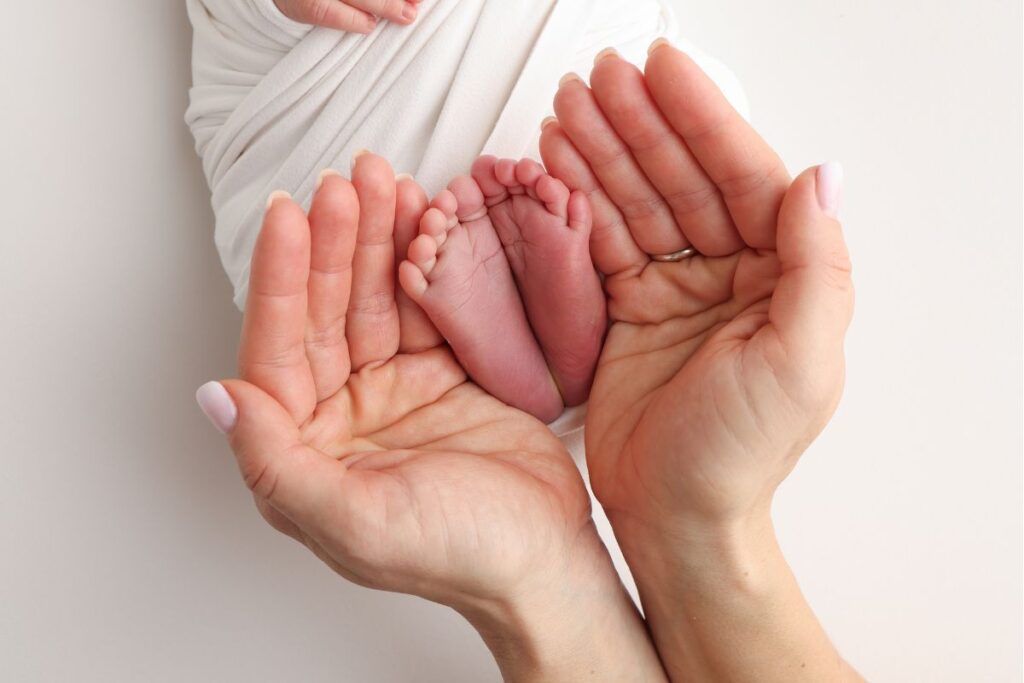
Newborns have incredibly delicate skin, which requires special care and attention. As new parents, understanding the science behind baby skin care can help ensure your baby’s skin stays healthy and protected from irritations and infections.
In this article, we will explore why newborns' skin is so sensitive, the best practices for caring for it, and the types of products that are ideal for your baby’s skin.
Why is Baby Skin So Sensitive?
Babies are born with soft, smooth skin, but their skin is still developing and much thinner than adult skin. This makes it more vulnerable to irritation and damage. Here are a few key factors that contribute to newborn skin’s sensitivity:
Immature Skin Barrier: A newborn’s skin barrier, which helps protect against external elements like bacteria and allergens, is not fully developed. This makes it more prone to dryness, rashes, and irritation.
Thinner Epidermis: The outermost layer of a baby’s skin is thinner than that of adults, which means harmful substances can penetrate the skin more easily.
Higher Water Content: Baby skin contains more water than adult skin, making it more vulnerable to dehydration, environmental factors, and skin conditions.
Hormonal Influence: After birth, a baby’s skin undergoes changes due to fluctuating hormones. This can sometimes lead to conditions like baby acne or rashes.
 Common Baby Skin Conditions
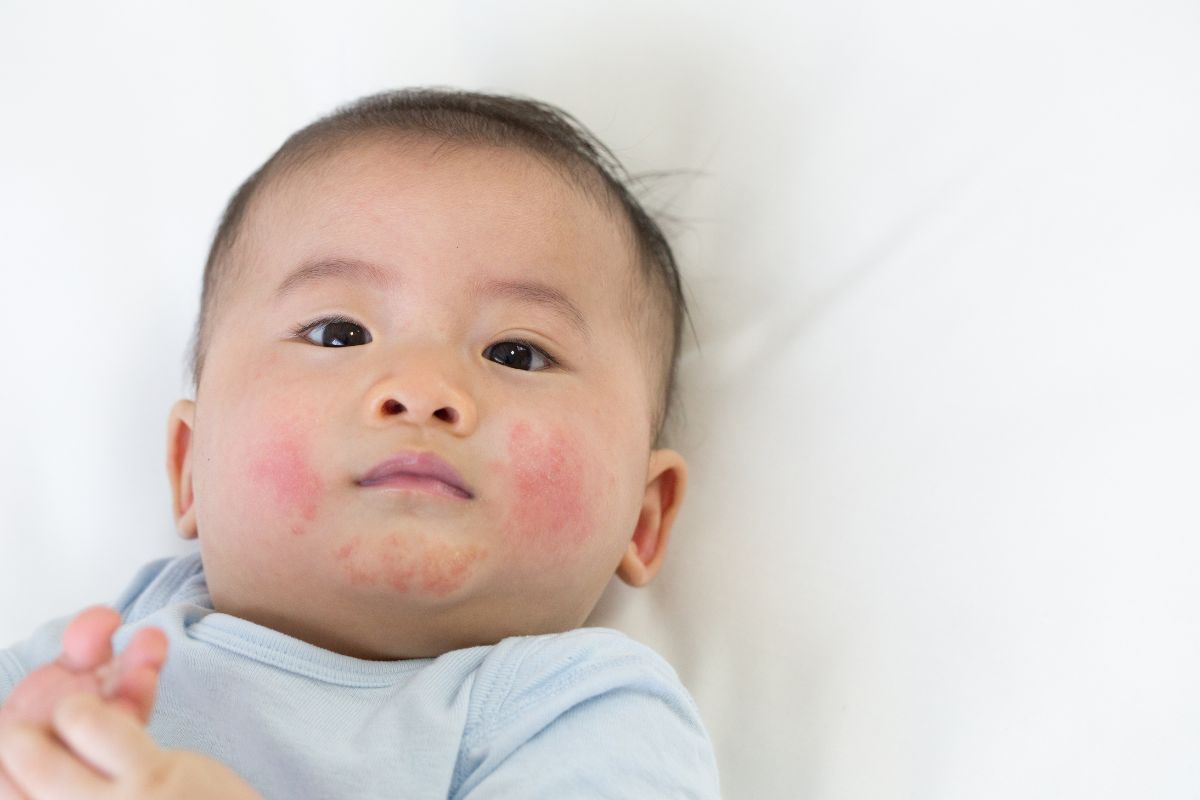 Common Baby Skin Conditions
Understanding common skin issues that affect newborns can help parents identify and manage them effectively. Some of the most common conditions include:
Baby Acne
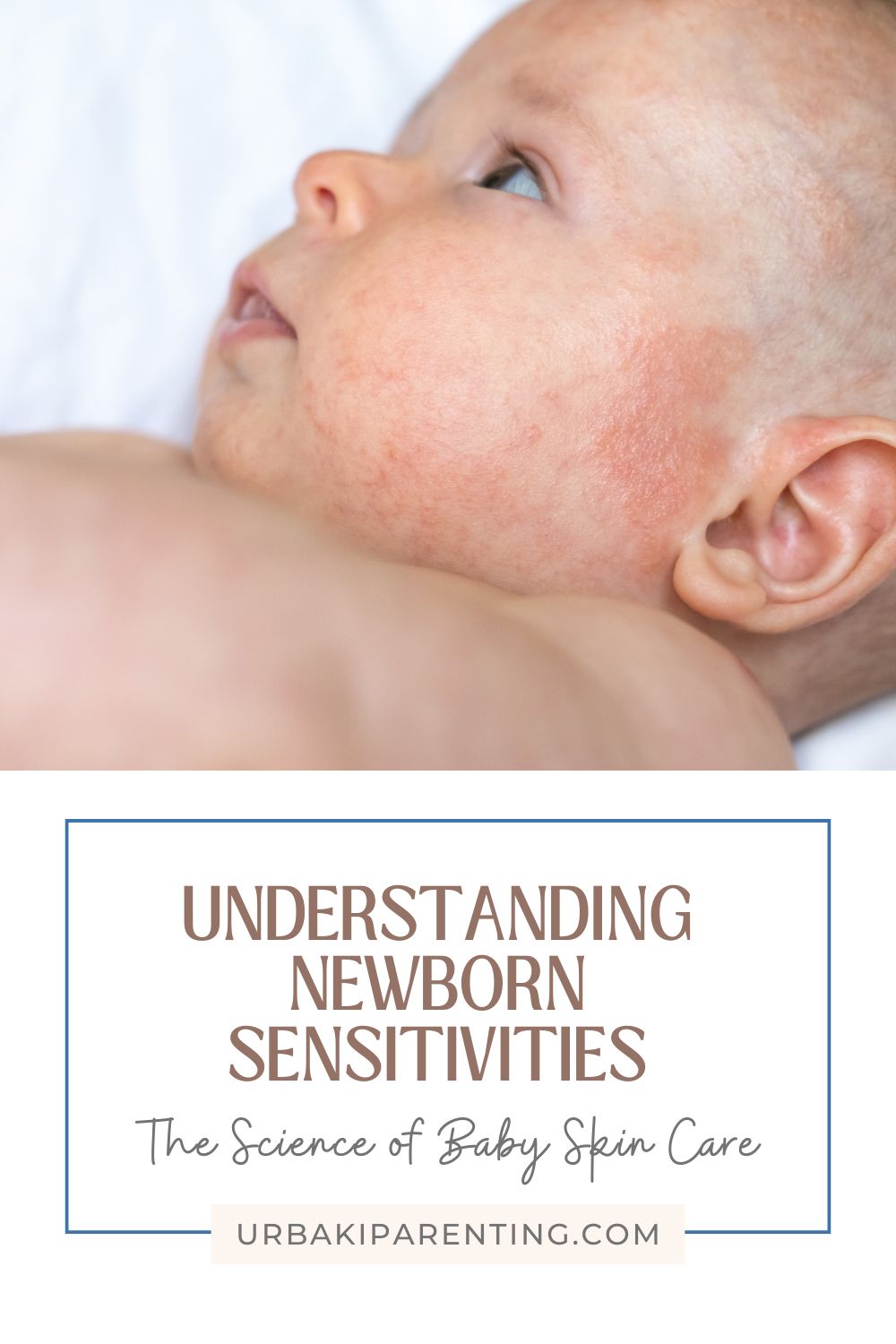
Baby acne is a common condition where small red or white bumps appear on a newborn’s face, typically around 2 to 4 weeks of age. It’s caused by hormones passed from the mother during pregnancy and is usually temporary, clearing up on its own within a few weeks.
Diaper Rash
Diaper rash is one of the most common skin issues in newborns. It can be caused by prolonged exposure to wet diapers, friction, or sensitivity to certain diaper brands. Diaper rash is usually red and inflamed but can be easily treated with proper diaper care and moisturizing ointments.
Eczema (Atopic Dermatitis)
Eczema is a chronic skin condition that can cause dry, red, and itchy patches on a baby’s skin. It’s often hereditary, meaning babies with family members who have eczema may be more likely to develop it. Keeping the skin hydrated and avoiding harsh chemicals can help manage this condition.
Cradle Cap
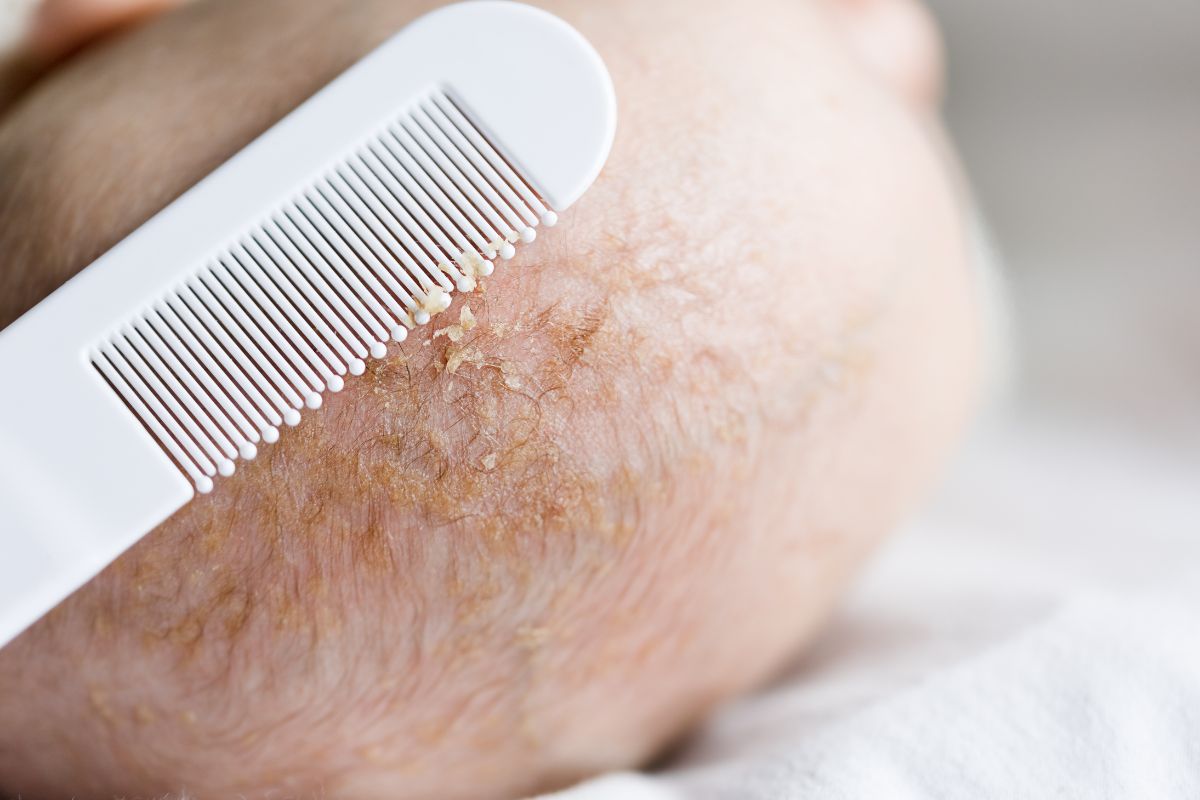
Cradle cap is a condition that results in scaly, yellowish patches on a baby’s scalp. It’s common in the first few months of life and usually resolves on its own. However, gentle washing with mild baby shampoo and soft brushing can help prevent further buildup.
Essential Baby Skin Care Tips
 Essential Baby Skin Care Tips
Knowing how to care for a newborn’s skin properly can prevent many skin conditions and ensure that their skin stays soft and healthy. Here are some important tips for baby skin care:
Keep the Skin Moisturized
Because babies have more water content in their skin, it’s important to keep their skin well-moisturized to prevent dryness and irritation.
Use a gentle, fragrance-free baby lotion or cream, especially after bath time, to lock in moisture. Choose products with natural ingredients, such as shea butter or coconut oil, which are known for their skin-nourishing properties.
Choose the Right Baby Products
When selecting products for your baby’s skin, always look for ones that are specifically designed for newborns. Avoid products that contain harsh chemicals, artificial fragrances, or dyes. Opt for hypoallergenic, dermatologist-tested products to minimize the risk of irritation. Some key products to consider include:
Baby wash: Look for gentle, tear-free formulas that cleanse without stripping natural oils from the skin.
Diaper creams: Choose a cream or ointment with zinc oxide to protect against diaper rash.
Shampoo: A gentle, tear-free baby shampoo will keep your baby’s scalp clean without causing dryness or irritation.
Practice Gentle Bathing Techniques
 Practice Gentle Bathing Techniques
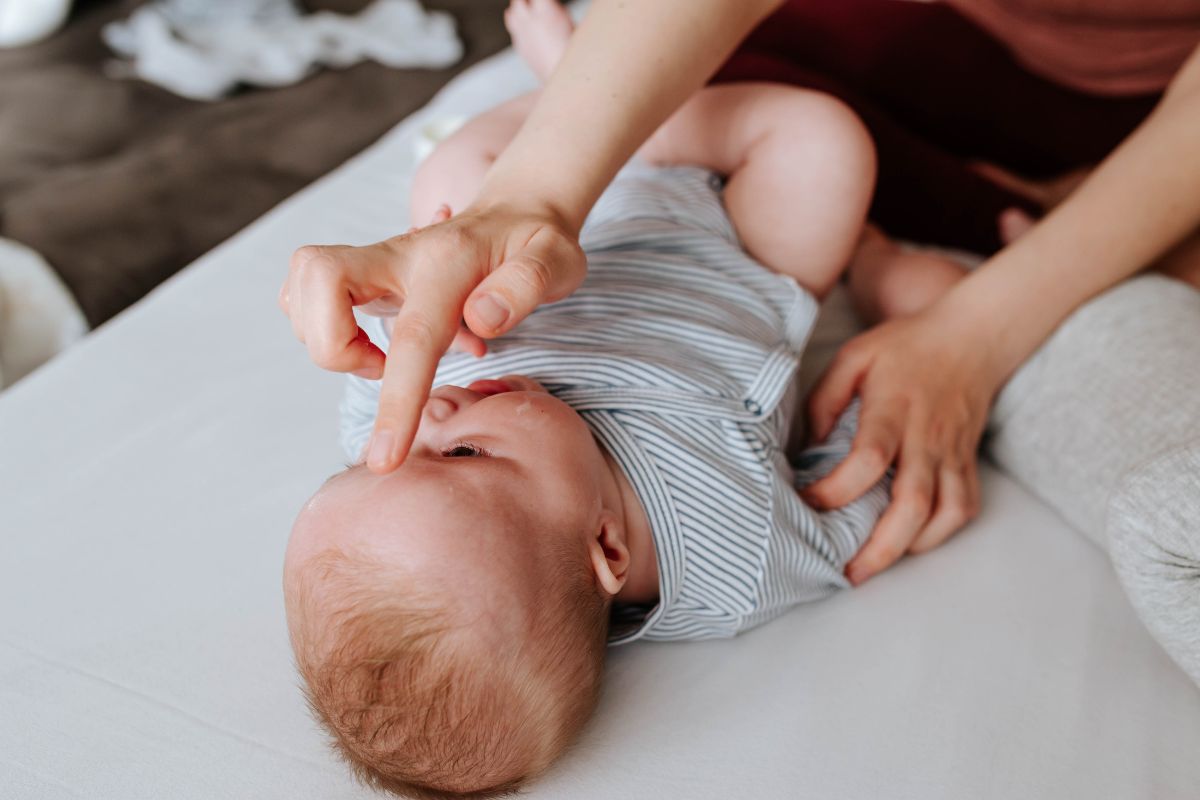
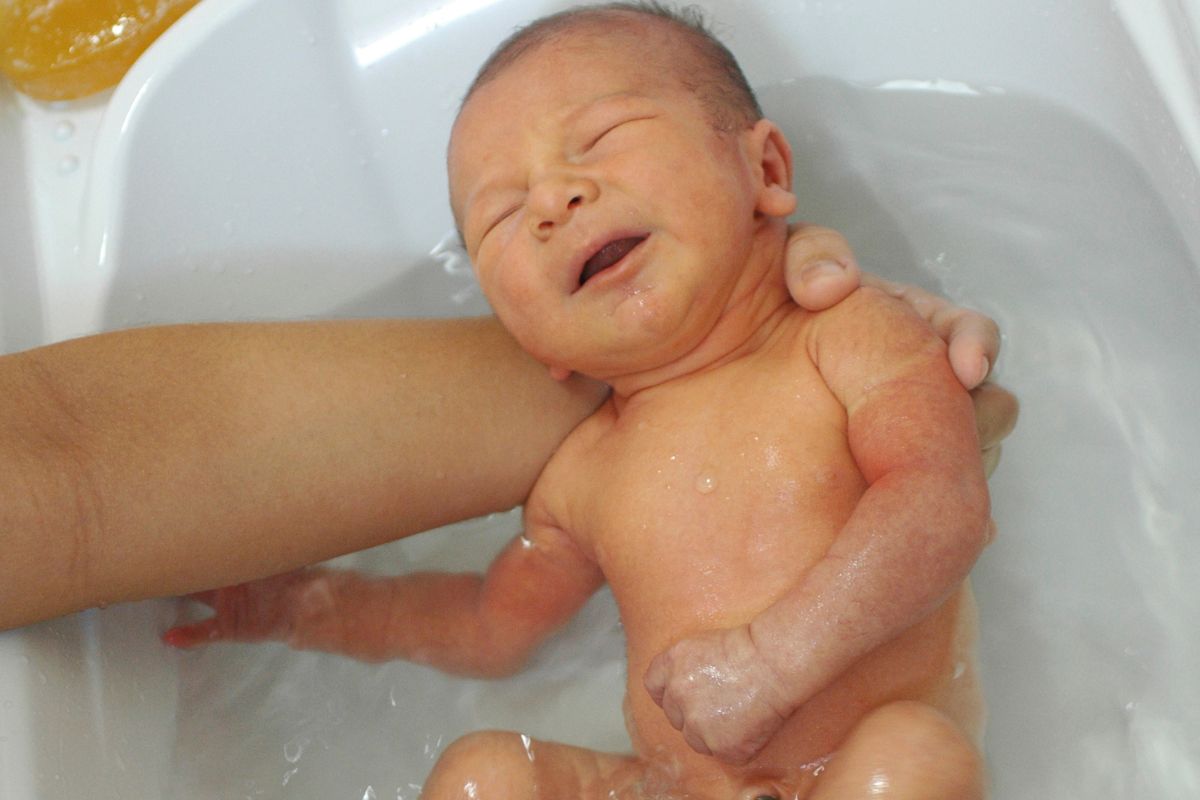
Newborns don’t need frequent baths, as their skin is still adjusting to life outside the womb. A sponge bath two to three times a week is sufficient in the early weeks. Always use lukewarm water and a mild, unscented baby wash.
When bathing, avoid scrubbing the skin too harshly. Instead, gently pat the skin dry with a soft towel.
Protect from Sun Exposure
Newborns should avoid direct sun exposure, as their skin is more prone to sunburn and damage. Always dress your baby in light, breathable fabrics and use a stroller with a sunshade if you’re out for a walk.
When your baby is older, sunscreen specifically formulated for babies can be applied to exposed areas, but avoid using it on babies younger than 6 months.
The Role of Diet in Skin Health
 The Role of Diet in Skin Health
A balanced diet plays an essential role in maintaining healthy skin. For newborns, breast milk provides all the necessary nutrients for optimal skin development.
Breast milk contains essential fatty acids, antioxidants, and vitamins that support the skin’s natural barrier function. If you are formula feeding, choose a high-quality formula that provides the same nutrients.
As your baby starts eating solid foods, incorporating a variety of fruits, vegetables, and healthy fats into their diet can promote skin health. Omega-3 fatty acids, found in foods like fish and flaxseed, can help keep the skin hydrated and prevent dryness.
When to Seek Medical Advice
While most baby skin conditions are mild and resolve on their own, there are instances when medical attention is needed.
If your baby’s skin becomes excessively red, swollen, or develops blisters, or if a rash doesn’t improve with home care, it’s important to consult a pediatrician. Conditions like infections, severe eczema, or allergic reactions may require professional treatment.
Nurturing Baby Skin with Love and Care
 Nurturing Baby Skin with Love and Care
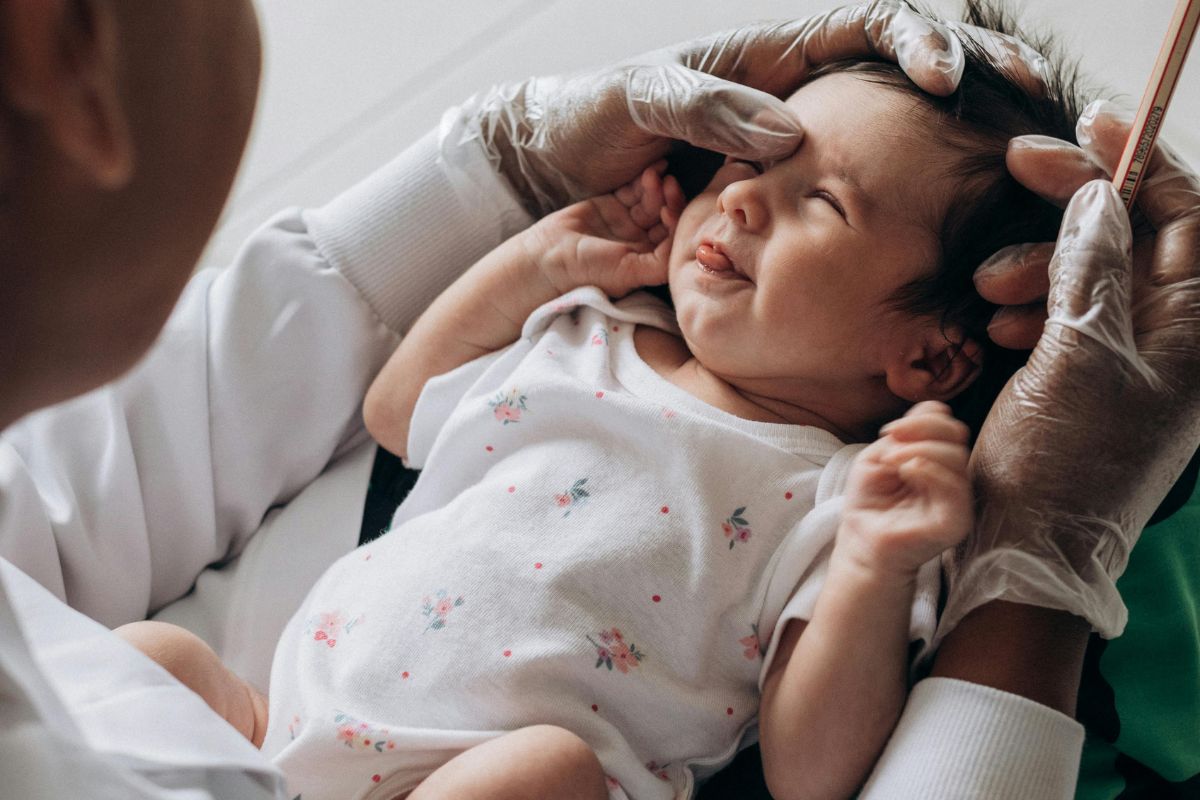
Caring for a newborn’s sensitive skin requires understanding and patience. By keeping your baby’s skin moisturized, using gentle products, and being mindful of environmental factors, you can ensure their skin stays soft and healthy.
Remember, every baby is unique, and what works for one may not work for another. Stay observant and adjust your baby’s skin care routine as needed, and always consult a healthcare provider if you’re unsure about any skin condition.
Taking the time to nurture and protect your baby’s skin is one of the most loving things you can do for them.
Did you find this post useful or inspiring? Save THIS PIN to your PARENTING Board on Pinterest! 😊

You may also like