
Tips for Selecting Developmentally Appropriate Toys for Different Ages
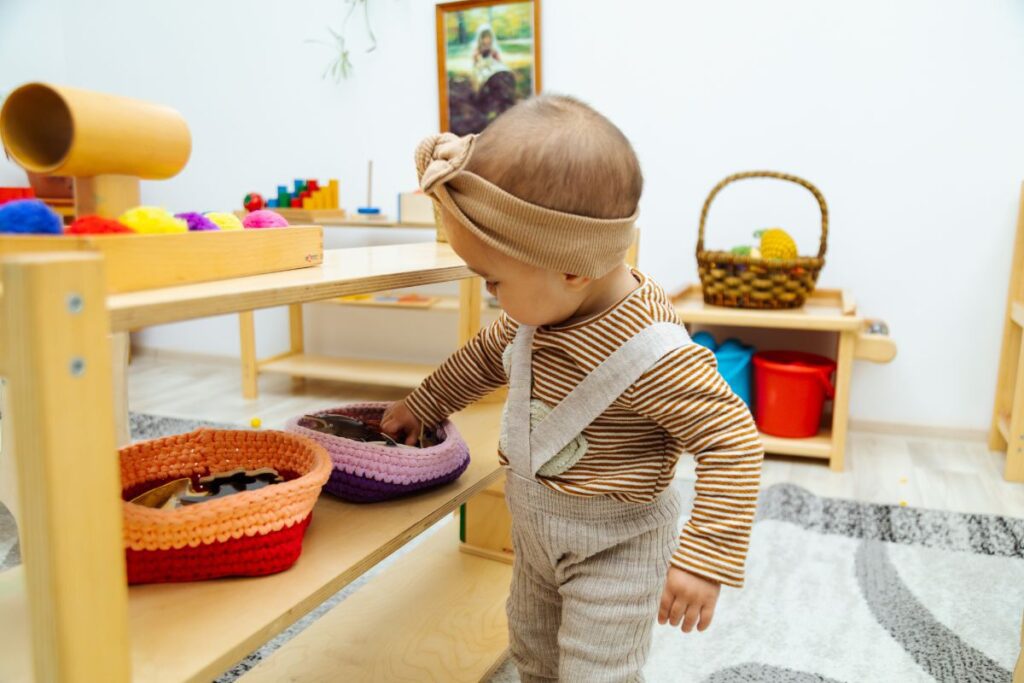
Choosing the right toys for your child can be a fun yet daunting task. With a vast array of options available, it's easy to feel overwhelmed. However, selecting developmentally appropriate toys is key to supporting your child's growth and development.
The right toys can help improve motor skills, spark creativity, boost language development and encourage problem-solving.
This article will guide you through the process of selecting the best toys for different age groups to ensure they are both safe and beneficial for your child's development.
Why Developmentally Appropriate Toys Matter
Toys play a significant role in a child’s development. They are not just a source of entertainment, but also learning tools that can stimulate the cognitive, physical, social, and emotional aspects of a child’s growth.
Developmentally appropriate toys are those that match the child’s current abilities while also providing opportunities to challenge and stimulate them as they grow.
They help children explore their environment, develop skills, and express creativity in ways that are suitable for their stage of life.
 How to Choose Age-Appropriate Toys
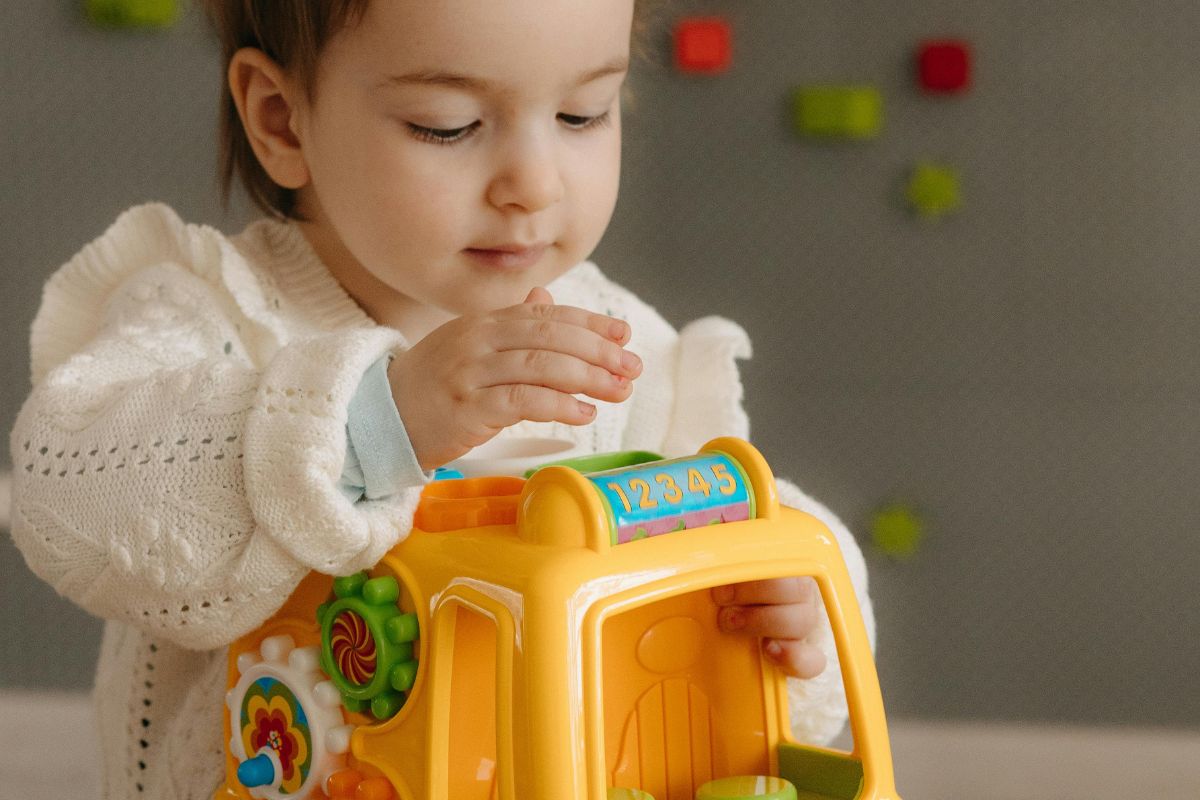 How to Choose Age-Appropriate Toys
When selecting toys for your child, consider their developmental stage. Babies, toddlers, and preschoolers all have different needs, and what might be engaging and educational for one age group may not be suitable for another. Here are some tips for choosing age-appropriate toys for each developmental stage.
1. Selecting Toys for Infants (0-12 months)
Infants are in the early stages of sensory and motor development. At this age, toys should be simple, safe, and designed to encourage exploration through sight, touch, sound, and movement.
Characteristics of Suitable Toys for Infants:
Bright Colors: Infants are drawn to high-contrast colors. Brightly colored toys stimulate visual development.
Textured Toys: Toys with varied textures promote tactile exploration, which is essential for sensory development.
Soft and Safe: Ensure that the toys are soft and free of small parts to prevent choking hazards. Babies explore their world through their mouths, so teething toys and soft plush items are ideal.
Rattles and Musical Toys: Toys that make noise help infants learn cause-and-effect relationships and promote auditory development.
Examples:
Soft rattles
Cloth books with textures and bright colors
Teething rings
Simple soft toys with squeakers or bells
2. Selecting Toys for Toddlers (1-3 years)
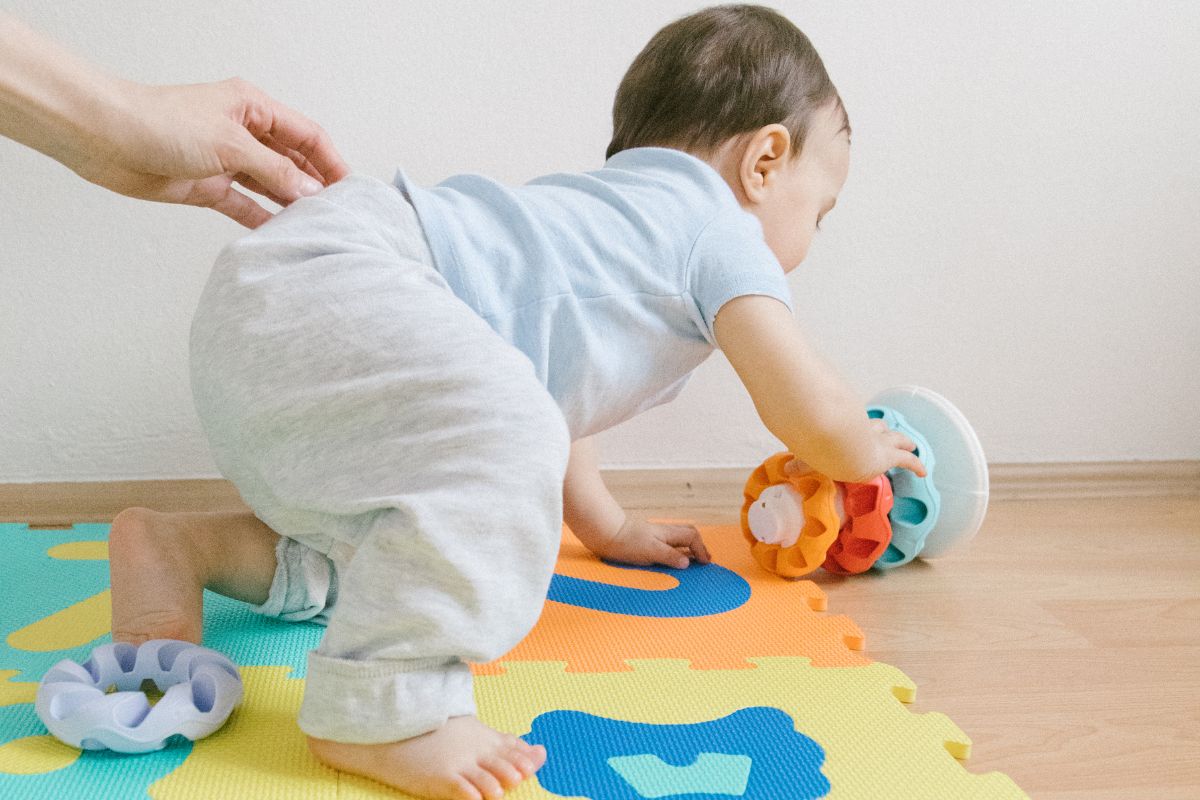 2. Selecting Toys for Toddlers (1-3 years)
Toddlers are becoming more mobile and are beginning to develop fine and gross motor skills. They are also starting to engage in more complex forms of symbolic play and imitation.
Characteristics of Suitable Toys for Toddlers:
Simple Puzzles: Simple wooden puzzles with large pieces help develop problem-solving skills and hand-eye coordination.
Building Blocks: Large, easy-to-grip blocks encourage spatial awareness and creativity. Building toys help improve fine motor skills and hand-eye coordination.
Interactive Toys: Toys that encourage exploration through pressing buttons, turning knobs, or opening and closing doors help toddlers understand cause and effect.
Pretend Play Toys: As toddlers begin imitating adults, pretend play toys like play kitchens or toy phones are perfect for encouraging social and cognitive development.
Examples:
Stacking rings
Wooden shape sorters
Play kitchens or tool sets
Toy animals or dolls for role-playing
3. Selecting Toys for Preschoolers (3-5 years)
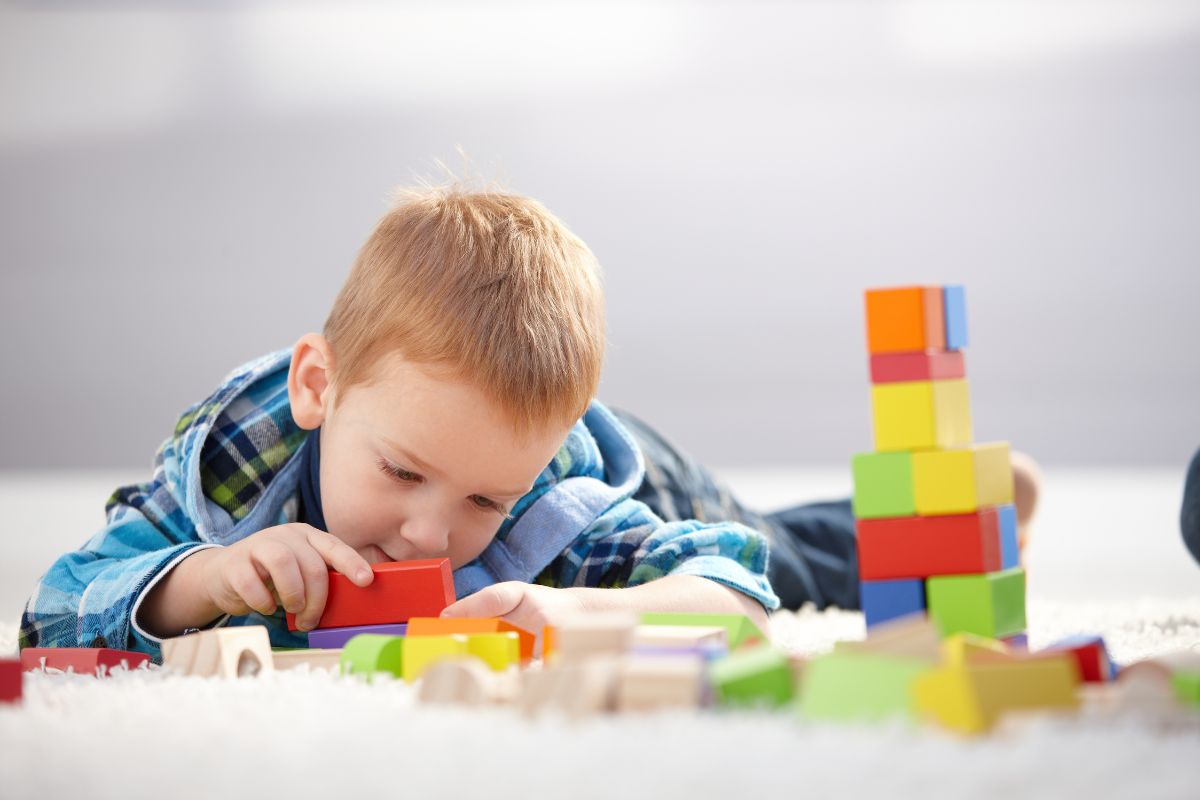 3. Selecting Toys for Preschoolers (3-5 years)
At this stage, preschoolers are polishing their language, motor and social skills. They enjoy more complex imaginative play and are starting to get basic ideas like counting, colors, and shapes. Toys that build creativity, problem-solving, and social skills are ideal.
Characteristics of Suitable Toys for Preschoolers:
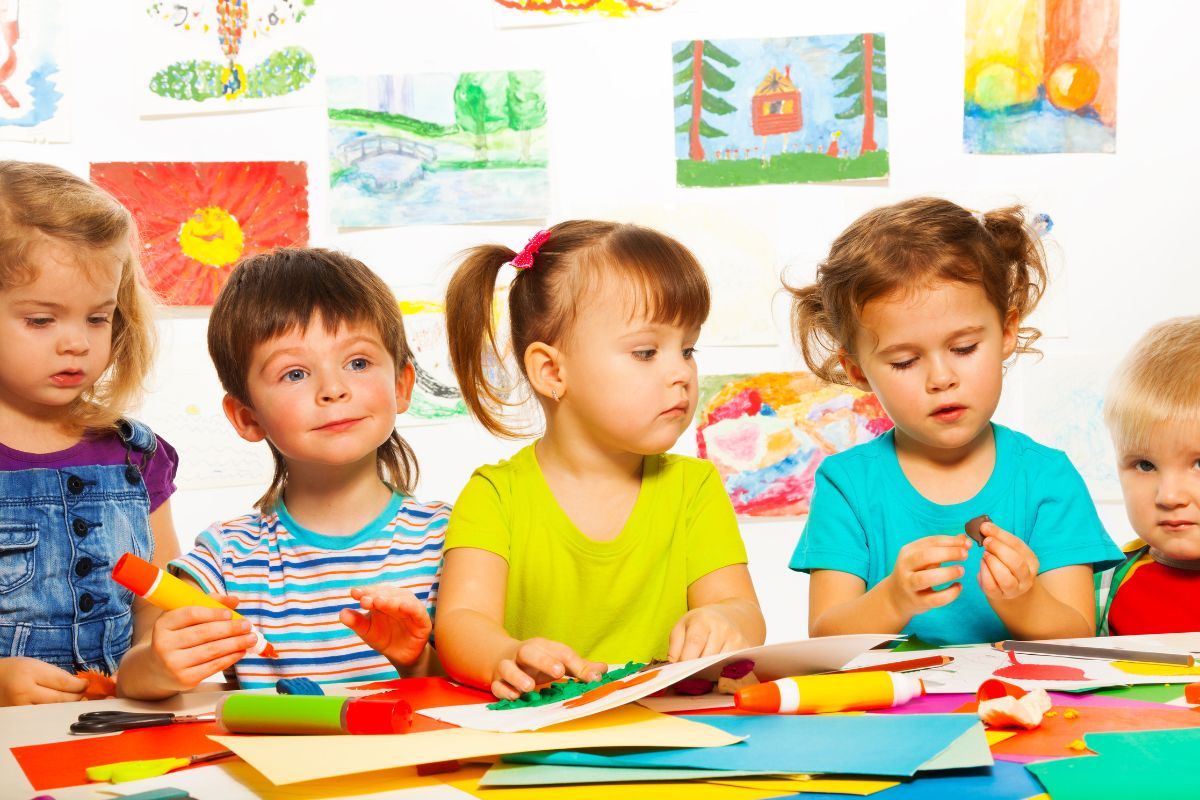
Art Supplies: Crayons, markers, paints, and clay encourage creativity and fine motor skills while helping them express themselves.
Educational Games: Simple board games and card games promote social skills like turn-taking and cooperation while helping children understand rules and strategy.
Building Sets: Sets that allow children to build and create, like LEGO or magnetic blocks, support both cognitive and motor development.
Storybooks: Books with bright illustrations and simple stories build language skills, imagination and an understanding of the world around them.
Examples:
Crayons and coloring books
Simple board games (e.g., “Candy Land”)
Magnetic building sets
Books with interactive elements like flaps and textures
4. Selecting Toys for School-Age Children (6+ years)
 4. Selecting Toys for School-Age Children (6+ years)
School-age children are continuing to develop their cognitive abilities, social skills, and independence. At this age, they can engage in more advanced play that challenges their thinking, physical coordination, and creativity.
Characteristics of Suitable Toys for School-Age Children:
STEM Toys: Toys that focus on science, technology, engineering, and math (STEM) build problem-solving, critical thinking and new ideas. Examples include robotics kits and science experiment sets.
Craft Kits: Craft kits for making jewelry, painting, or building models help develop fine motor skills, creativity, and patience.
Sports Equipment: Toys like basketballs, soccer balls, or even skateboards encourage physical activity, coordination, and social interaction through team play.
Board Games with Strategy: Games that require planning and strategy, such as chess or checkers, promote cognitive development and decision-making skills.
Examples:
Science experiment kits
Art supplies for advanced projects
Sports equipment (e.g., soccer ball, jump rope)
Strategy board games (e.g., chess, checkers)
Safety Considerations When Selecting Toys
 Safety Considerations When Selecting Toys
While developmental appropriateness is crucial, safety should always be the top priority. Here are some essential safety tips to keep in mind when selecting toys:
Check for Age Recommendations
Always check the age recommendations on the toy packaging. These guidelines are designed to ensure that the toy is safe and developmentally appropriate for your child’s age.
Avoid Small Parts for Young Children
For babies and toddlers, avoid toys with small, detachable parts that can pose a choking hazard. Always opt for larger toys that are easy to handle and pose fewer risks.
Look for Non-Toxic Materials
Ensure that toys are made from non-toxic materials. This is especially important for teething babies who may put toys in their mouths. Look for toys labeled as BPA-free and phthalate-free.
Check for Durability
Choose toys that are well-made and durable. This reduces the risk of toys breaking into smaller pieces that could pose a hazard.
Making the Right Choice for Your Child's Growth
Choosing developmentally appropriate toys is a thoughtful process that can significantly impact your child’s growth and development.
By selecting toys that are safe, engaging, and tailored to your child’s developmental stage, you can help them learn, explore, and grow in meaningful ways.
Always consider the developmental needs of your child when making toy selections, and remember that the best toys are those that challenge them just enough to inspire growth, creativity, and learning.
Did you find this post useful or inspiring? Save THIS PIN to your PARENTING Board on Pinterest! 😊


You may also like