
Understanding Baby Milestones: What to Expect in the First Year
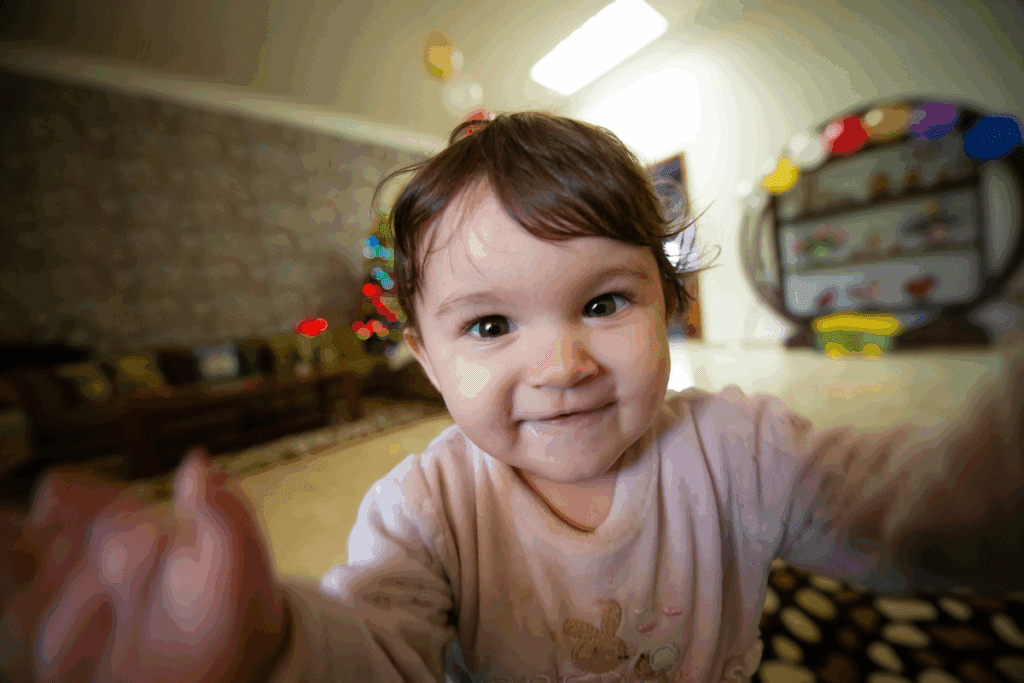
The first year of your baby’s life is an exciting and fast-paced journey of growth and development. As a parent, understanding baby milestones can help you track your child’s progress, celebrate achievements, and identify areas where they might need support.
From rolling over to saying their first words, each milestone brings its own set of challenges and joys. This guide will walk you through the key milestones to expect in the first year, providing helpful insights for parents along the way.
What Are Baby Milestones?
Baby milestones are specific physical, cognitive, and emotional achievements that signify progress in your baby’s development. These milestones are generally broken down into different categories such as motor skills, language, and social-emotional skills.
Every baby is unique, so the age at which they reach each milestone can vary, but there are general age ranges for each achievement.
Understanding these milestones helps parents celebrate small victories, track development, and be aware of when they might need to consult a pediatrician if any concerns arise.
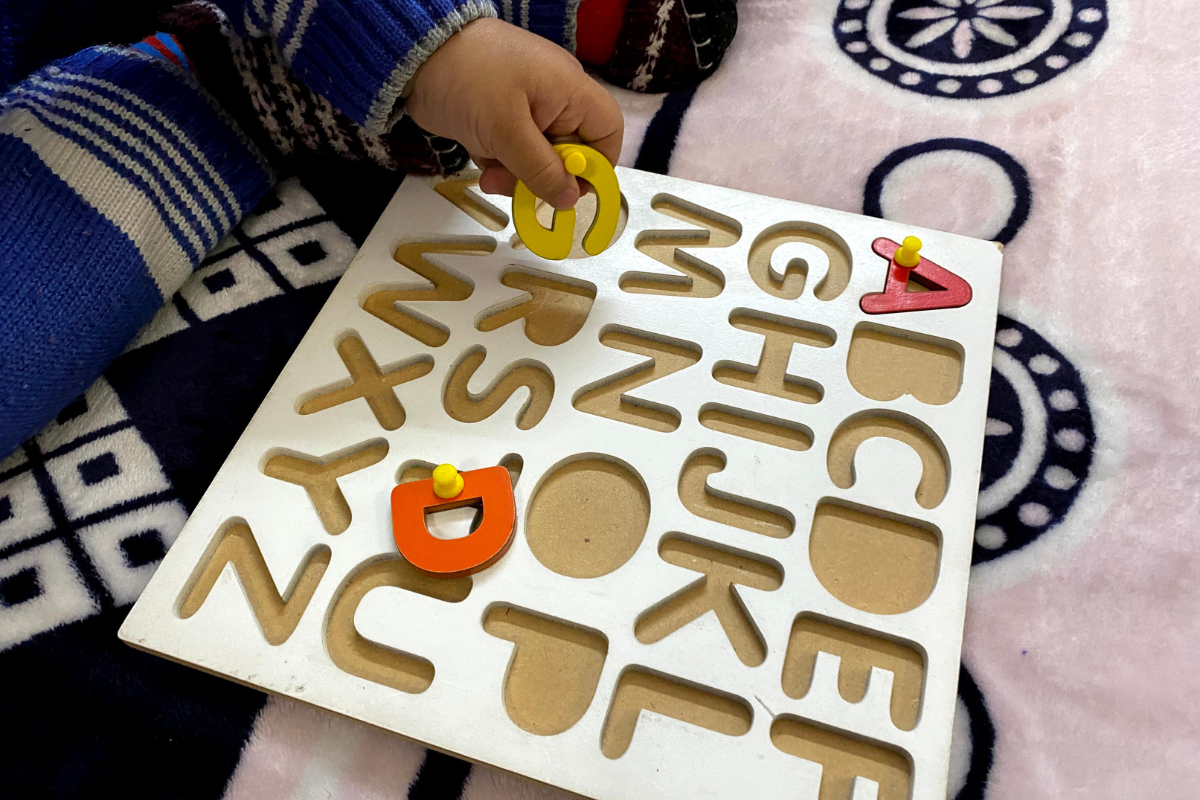 Month-by-Month Breakdown of Baby Milestones
Let’s break down the key milestones to expect in your baby’s first year. While your baby may reach them earlier or later than expected, this timeline offers a general framework for what to look out for.
0-3 Months: The Early Beginnings
In the first three months, your baby is adjusting to life outside the womb and will primarily focus on developing essential motor skills and sensory awareness.
Physical Milestones
Head Control: By the end of 2-3 months, your baby will begin to lift their head while on their tummy and hold it steady while being supported in a seated position.
Grasp Reflex: Newborns often have a grasp reflex, where they will instinctively grab your finger or a toy placed in their hand. By 3 months, this reflex will begin to develop into more purposeful grasping.
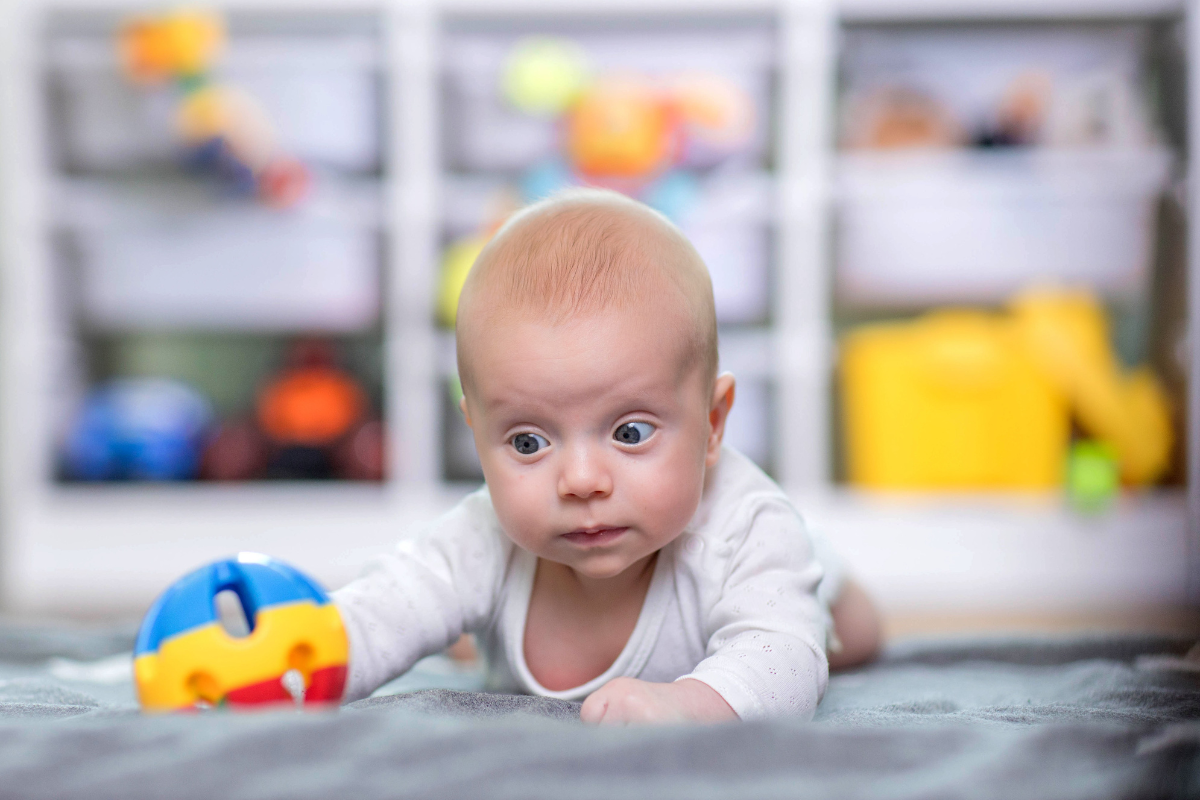
Tummy Time: Babies start to engage in tummy time, which helps build their neck and shoulder muscles. By 3 months, they can briefly lift their chest up while on their stomach.
 Social and Emotional Milestones
 Social and Emotional Milestones
Smiling: At around 6 weeks, your baby will begin to smile socially, responding to your voice and face. This is the first sign of your baby’s emotional development.
Cooing and Vocalizing: By 3 months, your baby will begin to coo and make gurgling sounds, starting to experiment with their vocal cords.
4-6 Months: Gaining Strength and Skills
Around 4-6 months, your baby will start becoming more aware of their surroundings and will begin to develop new motor skills.
Physical Milestones
Rolling Over: Many babies begin to roll over from their tummy to their back around 4-6 months, which helps develop the muscles needed for sitting and crawling.
Sitting with Support: By 5 months, babies will be able to sit with minimal support, though they may still need help balancing.
Reaching and Grasping: Babies start reaching out for objects and grabbing them with more intention. They’ll start bringing toys or their hands to their mouths, which is important for their fine motor development.
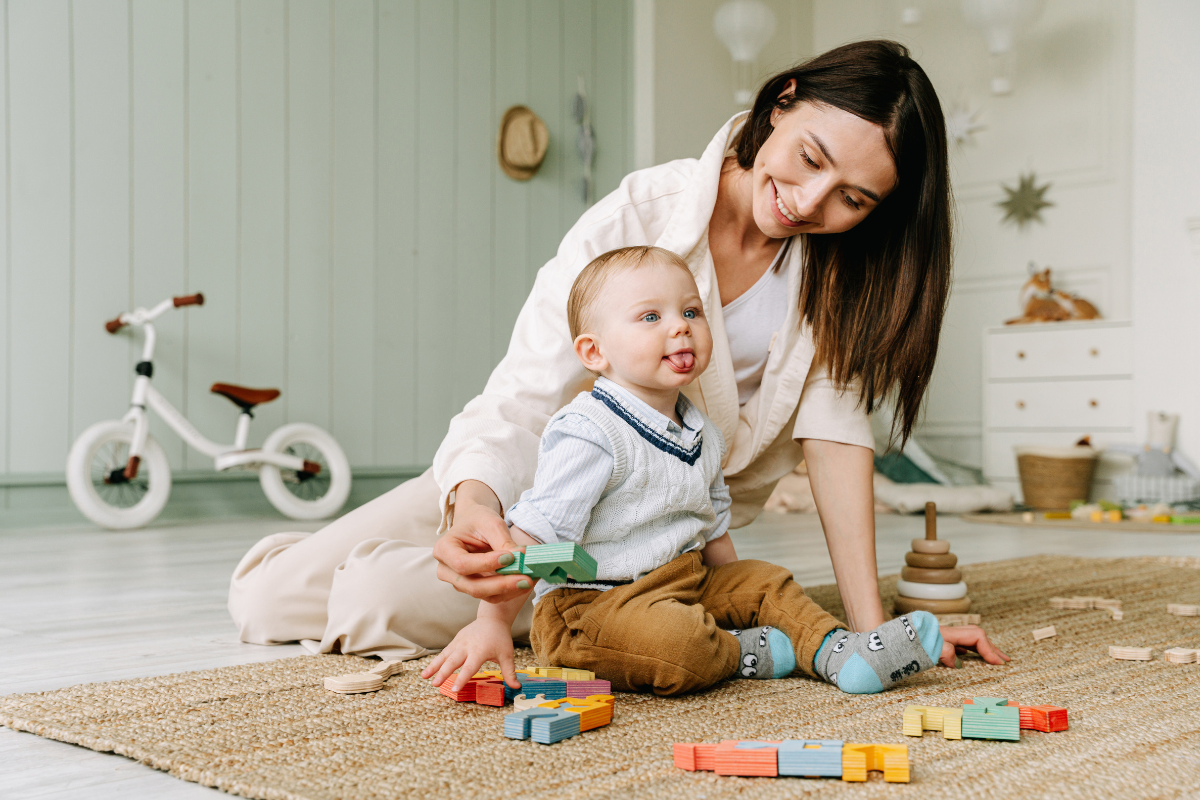 Cognitive and Language Milestones
Babbling: By 6 months, your baby will begin to experiment with sounds, making consonant-vowel combinations like “ba-ba” or “da-da,” though they may not yet understand the meaning.
Recognizing Faces: By 6 months, babies will begin to recognize familiar faces and show preferences, such as smiling at you or reacting to strangers.
7-9 Months: Exploring and Engaging
Between 7 and 9 months, your baby’s curiosity increases, and they become more engaged with the world around them.
Physical Milestones
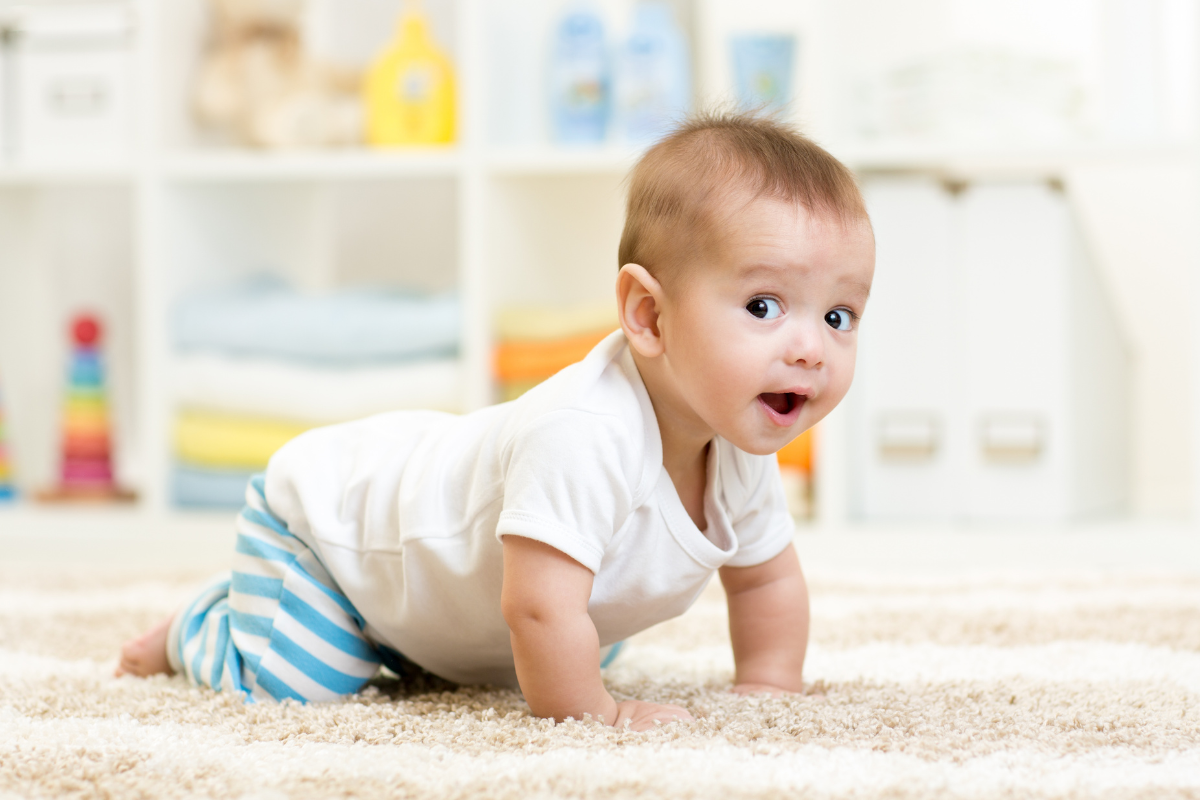
Crawling: Most babies start crawling between 7-10 months, although some skip crawling altogether and go straight to walking. Crawling helps improve coordination and strength.
Pulling Up: Your baby may begin to pull themselves up to a standing position with support, such as grabbing onto furniture or your hands.
Sitting Without Support: By 9 months, many babies can sit up on their own without needing help, allowing them to explore toys and objects while seated.
Cognitive and Language Milestones
First Words: Some babies will start saying their first real words like “mama” or “dada” between 8-10 months, though they may not connect the words with meaning just yet.
Object Permanence: By 9 months, babies begin to understand object permanence, meaning they know that objects exist even when out of sight. This leads to the development of games like peekaboo.
10-12 Months: Growing Independence
 10-12 Months: Growing Independence
In the final months of the first year, your baby will show significant growth in both their physical abilities and their social skills.
Physical Milestones
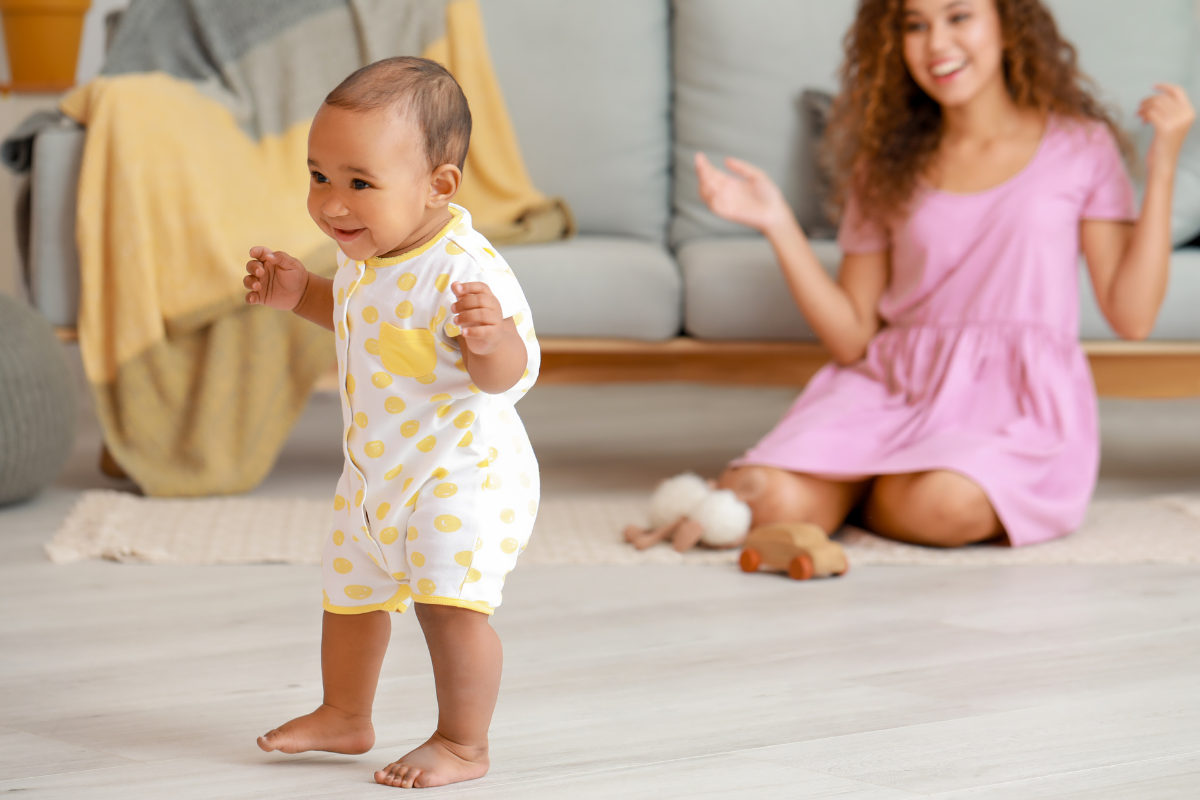
Walking: Many babies take their first steps between 9-12 months, although some may wait longer. At first, their steps may be wobbly, but they’ll quickly gain confidence.
Standing Independently: By 12 months, your baby may be able to stand without support and may cruise along furniture to improve balance.
Fine Motor Skills: Babies become more skilled at using their hands, developing the pincer grasp, which allows them to pick up small objects using their thumb and forefinger.
Cognitive and Social Milestones
Following Simple Instructions: Around 12 months, your baby may begin to understand simple commands like “wave bye-bye” or “give it to me,” showing an early grasp of language comprehension.
Imitation: Babies start to imitate actions and behaviors, such as mimicking you when you brush your hair or talk on the phone.
What to Do if Your Baby is Behind in Milestones
 What to Do if Your Baby is Behind in Milestones
It’s important to remember that every baby develops at their own pace. Some children may reach milestones earlier than others, while some may take a bit longer.
If you have concerns about your baby’s development, it’s always a good idea to consult with your pediatrician. They can assess your baby’s progress and help determine if any interventions are needed.
How to Support Your Baby’s Development
While you can’t rush your baby’s milestones, there are many ways to encourage development:
Provide tummy time: Tummy time helps strengthen your baby’s muscles and prepares them for crawling and other motor skills.
Engage in play: Interacting with your baby through games, reading, or simple activities can help foster cognitive and language development.
Encourage exploration: Allow your baby to explore their environment in a safe way, which promotes physical and cognitive growth.
Cherishing Every Moment of Growth
The first year of your baby’s life is filled with amazing milestones that will leave you in awe of how quickly they grow and change. Every first smile, word, and step is a memorable achievement, and understanding the typical milestones can help you appreciate these moments.
Remember that each baby is unique and develops at their own pace, so embrace the journey and celebrate each milestone as it comes. With your love and support, your baby will continue to grow, learn, and thrive in their own beautiful way.
Did you find this post useful or inspiring? Save THIS PIN to your PARENTING Board on Pinterest! 😊

You may also like