
7 Safe Pregnancy Exercises to Stay Active and Healthy
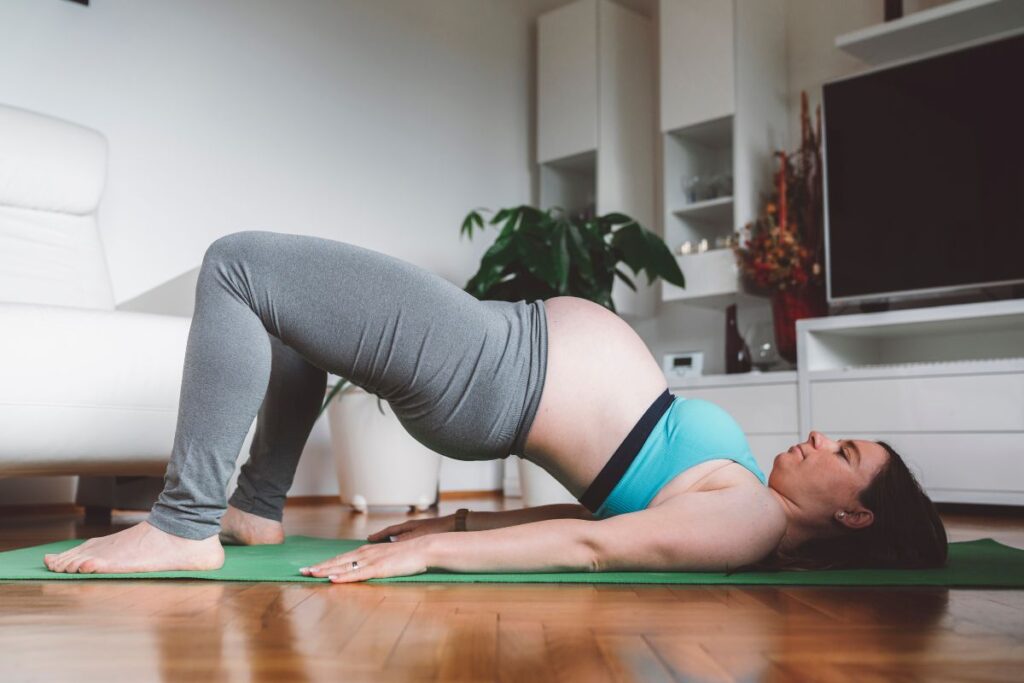
Staying active during pregnancy offers numerous benefits for both mother and baby. Regular exercise helps improve mood, boost energy levels, reduce pregnancy discomforts, and prepare the body for labor and delivery.
However, it’s important to choose exercises that are safe, gentle, and tailored to the changes your body is undergoing.
In this article, we’ll explore 7 safe pregnancy exercises that can help you maintain strength, flexibility, and overall wellness throughout your pregnancy journey.
Why Exercise During Pregnancy Matters
Pregnancy is a time of great physical and emotional transformation. Exercise supports this journey by:
Enhancing circulation and reducing swelling
Increasing muscle tone and endurance
Helping manage weight gain and reduce gestational diabetes risk
Improving sleep quality
Alleviating common discomforts like back pain and constipation
Boosting mental well-being and reducing anxiety
Always consult your healthcare provider before beginning or continuing any exercise routine during pregnancy.
 Exercise 1: Walking
 Exercise 1: Walking
Walking is one of the safest and most accessible exercises during pregnancy.
Benefits
Walking improves cardiovascular fitness without putting excessive strain on joints. It’s low-impact and easy to adjust based on your energy levels.
Tips
Wear supportive shoes, stay hydrated, and choose flat, even surfaces to reduce the risk of falls. Aim for 20-30 minutes most days of the week.
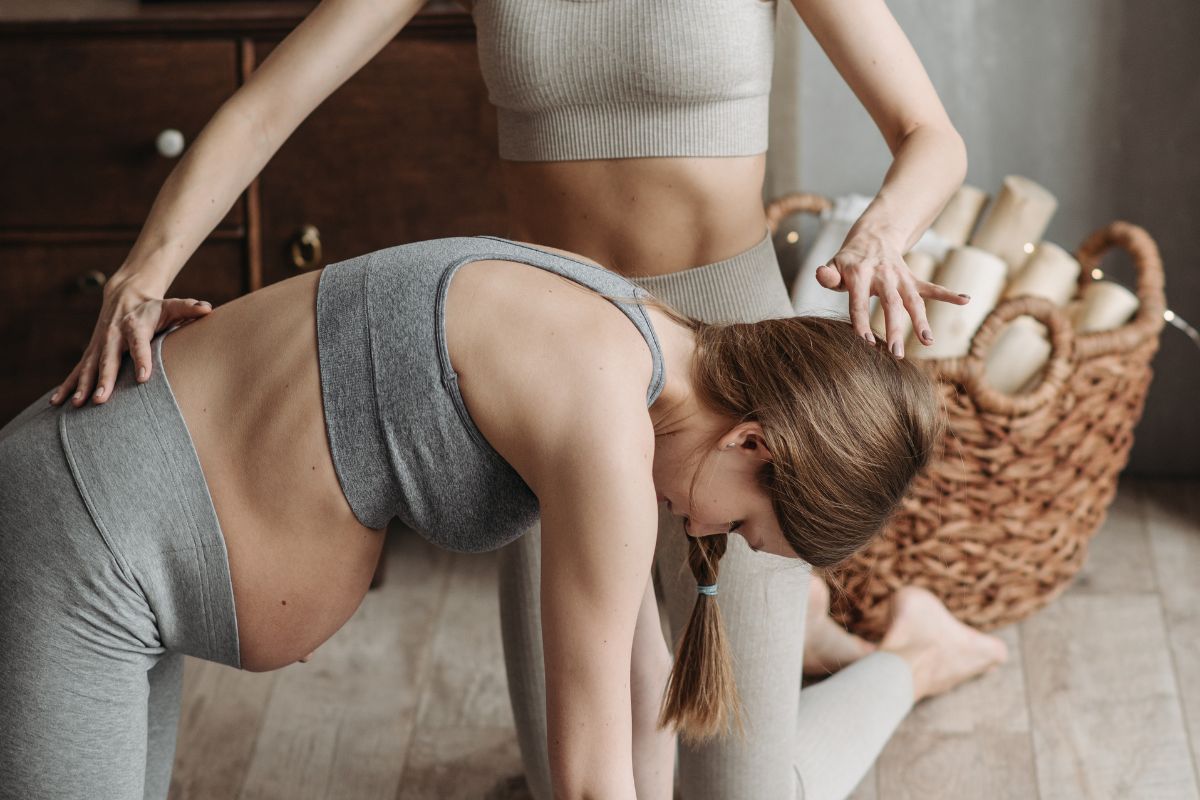
Exercise 2: Prenatal Yoga
Prenatal yoga combines gentle stretching, breathing, and relaxation techniques tailored for pregnant women.
Benefits
Yoga helps improve flexibility, balance, and strength while promoting relaxation and stress reduction. It also prepares your body and mind for childbirth.
Tips
Attend classes taught by certified prenatal instructors or use pregnancy-specific online videos. Avoid poses that require lying flat on your back or deep twists.
Exercise 3: Swimming and Water Aerobics
 Exercise 3: Swimming and Water Aerobics
Water activities provide a full-body workout with minimal impact on joints.
Benefits
Swimming relieves pressure on the spine and joints, reduces swelling, and supports the body’s weight. It also helps maintain cardiovascular health.
Tips
Choose pools with clean, warm water. Avoid diving or sudden movements, and listen to your body for signs of fatigue.
Exercise 4: Pelvic Floor Exercises (Kegels)
Strengthening the pelvic floor muscles is crucial during pregnancy and postpartum.
Benefits
Kegels improve bladder control, support the uterus, and aid recovery after delivery.
Tips
Practice tightening and holding the pelvic muscles for a few seconds, then release. Aim for several repetitions throughout the day.
Exercise 5: Stationary Cycling
 Exercise 5: Stationary Cycling
Using a stationary bike is a safe way to maintain cardiovascular fitness.
Benefits
Cycling reduces stress on joints and lowers the risk of falls compared to outdoor biking. It also helps build leg strength and endurance.
Tips
Adjust the seat height for comfort and avoid high-intensity sessions. Keep hydrated and monitor your heart rate.
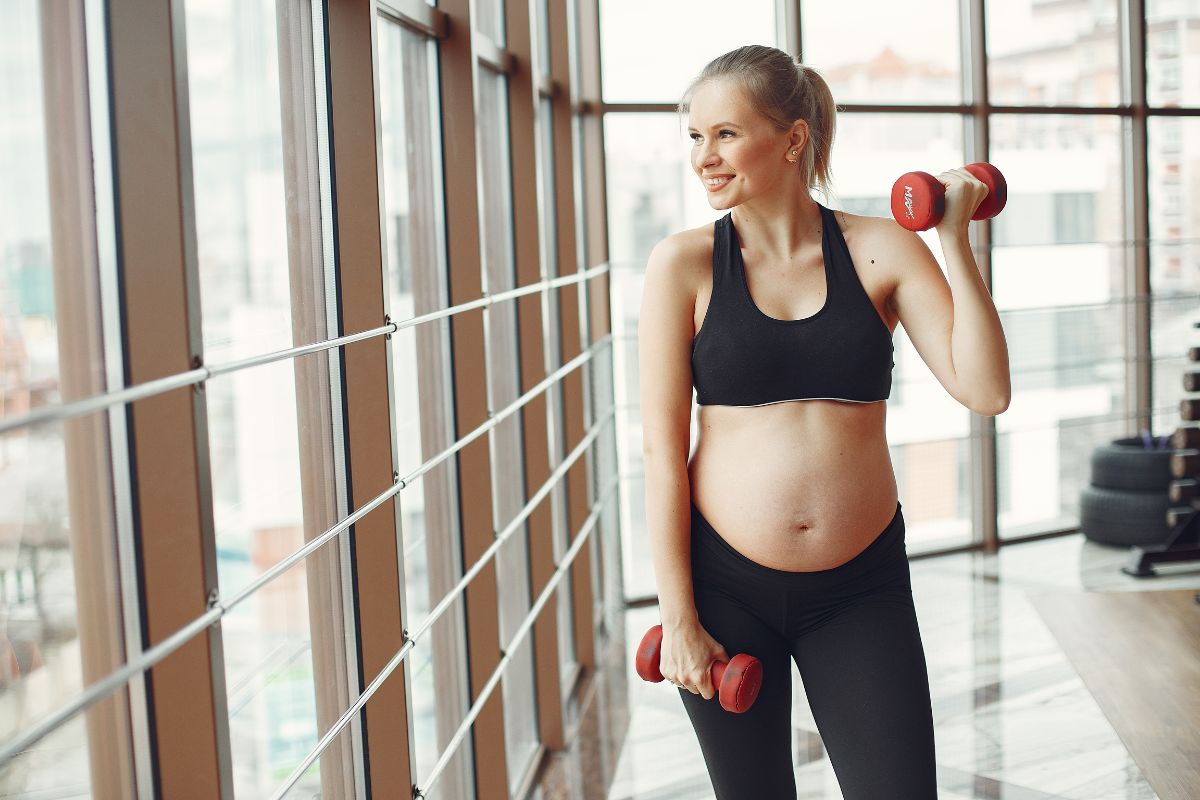
Exercise 6: Low-Impact Strength Training
Light weight lifting or resistance band exercises help maintain muscle tone.
Benefits
Strength training supports posture, reduces back pain, and prepares muscles for labor.
Tips
Use light weights and focus on proper form. Avoid heavy lifting or exercises that strain the abdomen. Seek guidance from a prenatal fitness professional.
Exercise 7: Stretching
 Exercise 7: Stretching
Gentle stretching improves flexibility and eases muscle tension.
Benefits
Stretching helps relieve pregnancy-related aches, improves circulation, and enhances relaxation.
Tips
Incorporate stretches for the neck, back, hips, and legs. Move slowly and avoid overstretching, especially in the later trimesters.
Important Safety Guidelines for Exercising During Pregnancy
Listen to Your Body: Stop exercising if you feel dizziness, shortness of breath, chest pain, or contractions.
Stay Hydrated: Drink plenty of water before, during, and after workouts.
Avoid High-Risk Activities: Skip contact sports, high-impact exercises, and activities with a fall risk.
Wear Comfortable Clothing: Supportive shoes and breathable fabrics help keep you comfortable.
Warm Up and Cool Down: Begin with gentle warm-ups and finish with slow stretching to prevent injury.
When to Consult Your Healthcare Provider
 When to Consult Your Healthcare Provider
Before starting any new exercise program, discuss your plans with your healthcare provider, especially if you have:
High blood pressure or pregnancy complications
History of preterm labor
Multiple pregnancies (twins, triplets, etc.)
Any other medical conditions
Regular check-ups help ensure your exercise routine is safe and effective.
Embracing Movement for a Healthy Pregnancy
Staying active during pregnancy benefits both your body and mind. By incorporating safe, enjoyable exercises like walking, prenatal yoga, swimming, and pelvic floor training, you support your wellness and prepare your body for childbirth.
Remember to listen to your body, prioritize safety, and consult your healthcare provider regularly.
With the right approach, exercise becomes a joyful and empowering part of your pregnancy journey—helping you feel strong, balanced, and connected to your growing baby every step of the way.
Did you find this post useful or inspiring? Save THIS PIN to your PARENTING Board on Pinterest! 😊

You may also like