
Adjusting Your Workout Routine Throughout Pregnancy: A Step-by-Step Guide
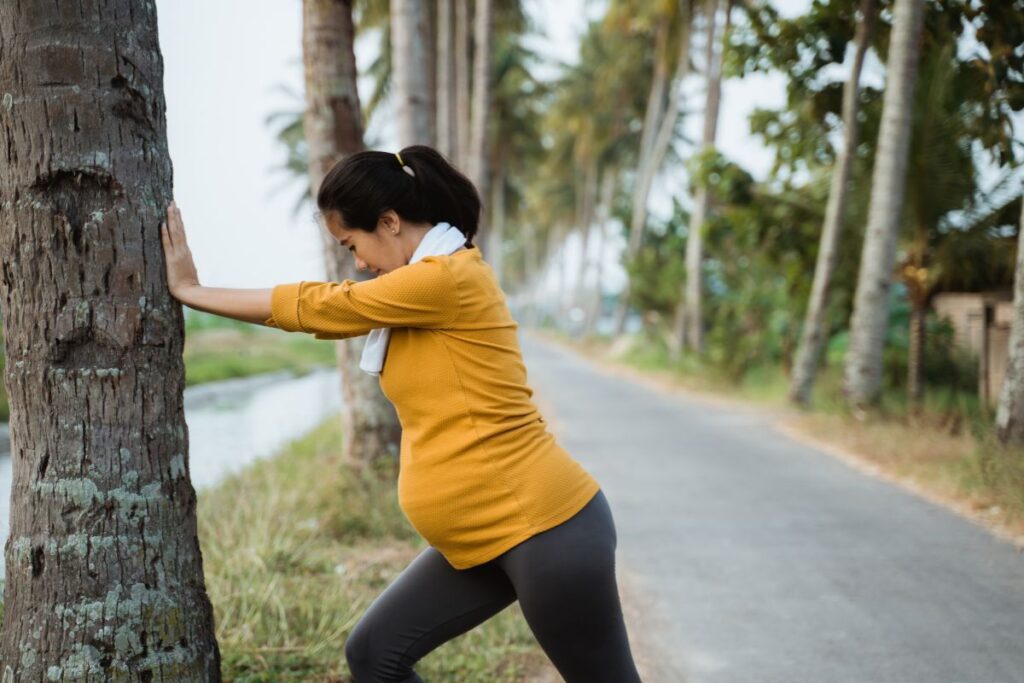
Pregnancy is a beautiful and transformative journey, but it can also bring about some significant changes to your body and energy levels.
Whether you were an avid fitness enthusiast before pregnancy or new to exercising, adjusting your workout routine during pregnancy is crucial for both your health and the health of your baby.
This guide will walk you through how to modify your exercise routine throughout each trimester, ensuring you stay active, healthy, and comfortable.
Understanding the Importance of Staying Active During Pregnancy
Staying active during pregnancy is essential, as it helps to improve circulation, reduce stress, manage weight, and prepare your body for labor.
However, it's important to adapt your workouts to accommodate the physical changes that occur as your pregnancy progresses.
Remember that every pregnancy is unique, so it's always best to consult your healthcare provider before starting or adjusting any exercise routine.
 The Benefits of Exercising During Pregnancy
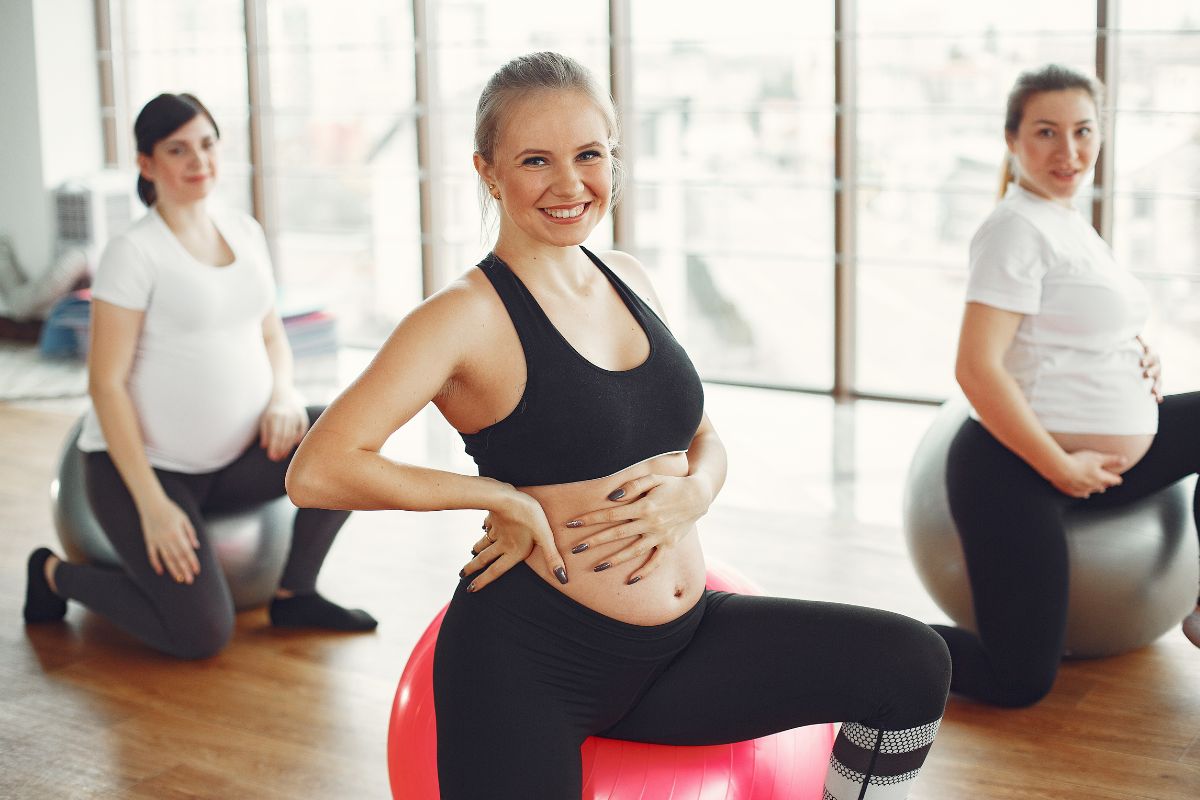 The Benefits of Exercising During Pregnancy
Exercising during pregnancy offers numerous benefits for both you and your baby:
Improved mood and reduced stress: Physical activity stimulates the release of endorphins, which can help improve your mood and reduce stress.
Better sleep quality: Exercise can promote restful sleep, which can often be disrupted during pregnancy.
Reduced discomfort: Staying active helps alleviate common pregnancy discomforts like back pain, swelling, and leg cramps.
Faster postpartum recovery: Regular physical activity can help your body recover more quickly after childbirth.
First Trimester: Focusing on Core Strength and Flexibility
The first trimester is typically when you experience the most physical changes, but many women may still feel relatively energized and capable of maintaining their regular workout routine. During this stage, it's important to focus on exercises that promote core strength, flexibility, and overall endurance.
Adjusting Your Routine
In the first trimester, you can generally continue most of your pre-pregnancy exercises, as long as they are not too intense. However, there are a few modifications to keep in mind:
Low-impact cardio: Activities like walking, swimming, and cycling are great low-impact options that won't put too much stress on your joints.
Strength training: Incorporating light weightlifting can help you maintain muscle mass. However, avoid heavy lifting or exercises that put excess pressure on your abdomen.
Core and pelvic floor exercises: Gentle pelvic floor exercises, like Kegels, are highly beneficial during this stage as they strengthen the muscles that will support your baby during delivery.
Key Tips for the First Trimester
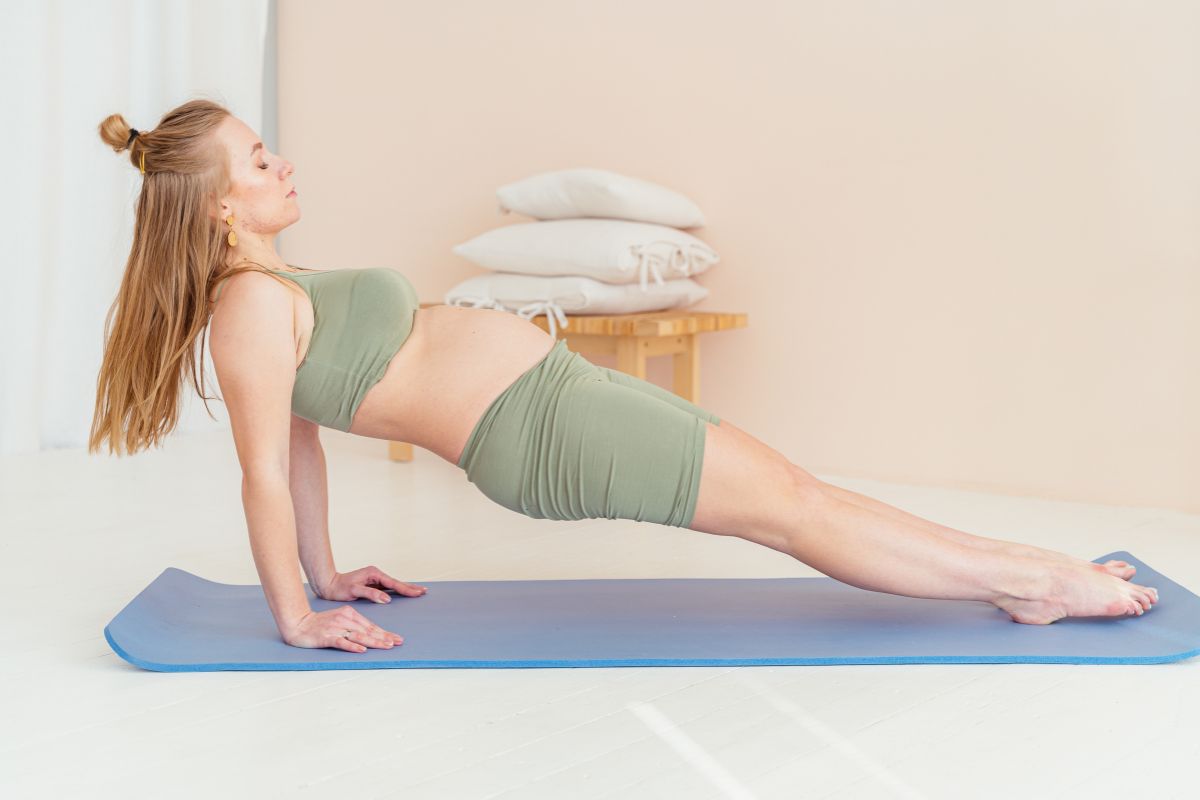 Key Tips for the First Trimester
Hydrate well: Always drink plenty of water before, during, and after exercise.
Listen to your body: Fatigue and nausea are common, so be sure to take breaks when needed.
Avoid overheating: Wear breathable clothing and avoid hot yoga or other activities that might raise your body temperature too much.
Second Trimester: Building Strength and Endurance
The second trimester is often referred to as the "honeymoon phase" of pregnancy, as many women experience an increase in energy and a reduction in morning sickness. This is a great time to focus on building strength, increasing endurance, and maintaining flexibility.
Modifications for the Second Trimester
As your belly begins to grow, certain exercises may feel uncomfortable, especially those that require you to lie flat on your back or engage in high-impact activities. Here are some key modifications for your workout routine:
Avoid exercises on your back: After the first trimester, it’s recommended to avoid exercises that involve lying flat on your back for extended periods. This position can restrict blood flow and lead to dizziness or discomfort.
Strength training with proper form: Continue strength training but with modifications. Incorporate bodyweight exercises like squats, lunges, and push-ups. Use light weights or resistance bands to maintain strength without overstraining.
Cardio workouts: Low-impact activities like walking, swimming, or cycling continue to be excellent options. If you're looking for more intensity, consider prenatal aerobics or water aerobics classes that are designed for pregnancy.
Key Tips for the Second Trimester
 Key Tips for the Second Trimester
Maintain proper posture: As your center of gravity shifts, it's important to maintain proper posture to prevent back pain.
Rest when necessary: Don’t overdo it. Take breaks and listen to your body’s signals.
Focus on balance: With the added weight of the baby bump, balance exercises like standing on one foot or using a stability ball are beneficial to help you maintain stability.
Third Trimester: Preparing for Labor and Postpartum Recovery
As you enter the third trimester, your body will experience the greatest amount of physical changes, and it's important to adapt your workout routine to accommodate these changes. At this stage, comfort and preparing your body for labor become top priorities.
Adjusting Your Routine in the Third Trimester
During the third trimester, it's best to focus on exercises that maintain strength, increase mobility, and prepare your body for childbirth. Here are some suggestions for the final stretch of your pregnancy:
Focus on pelvic exercises: Prenatal yoga or Pilates can help open the hips and improve flexibility, which can be beneficial during labor.
Gentle cardio: Walking remains an excellent form of cardio. It helps with circulation and can ease common pregnancy aches and pains.
Strengthen the upper body: As your belly grows, the weight distribution shifts, and strengthening your upper body and arms can help balance the load. Incorporate exercises like bicep curls, shoulder presses, and back exercises.

Key Tips for the Third Trimester
Practice relaxation techniques: Breathing exercises and prenatal yoga can help with relaxation and stress relief as you prepare for childbirth.
Listen to your body: At this stage, your energy levels may fluctuate, and you may feel more tired or uncomfortable. Take it easy, and always listen to your body’s cues.
Stay hydrated and take breaks: Keep drinking water and ensure you are not pushing yourself too hard during workouts.
Embrace Movement for a Healthier Pregnancy Journey
Adjusting your workout routine throughout pregnancy is not only beneficial for your physical health but can also have a positive impact on your mental well-being.
By staying active, you will help improve circulation, reduce pregnancy discomforts, and prepare your body for the challenges of labor and postpartum recovery.
Remember to always listen to your body and consult with your healthcare provider to ensure that your exercise routine remains safe for both you and your baby.
By following this guide and adjusting your workouts as your pregnancy progresses, you can enjoy a more comfortable, healthy, and empowered pregnancy journey.
Keep moving, stay hydrated, and focus on maintaining strength and flexibility throughout this incredible time in your life.
Did you find this post useful or inspiring? Save THIS PIN to your PARENTING Board on Pinterest! 😊

You may also like