
Baby’s First Playdate: Tips for Parents and Children

The excitement of planning your baby’s first playdate is something many parents look forward to. It’s a wonderful opportunity to foster social skills, build relationships, and introduce your little one to new experiences.
However, as a first-time experience, a playdate can also bring up a variety of questions and concerns for both parents and babies. In this article, we’ll explore essential tips to ensure your baby’s first playdate is fun, stress-free, and successful for everyone involved.
Why Playdates Are Important for Babies
Playdates are not just about fun—they’re also a crucial part of a baby’s development. Social interaction with other babies and children helps your little one develop emotional and social skills, such as sharing, taking turns, and communicating.
It also allows them to explore their environment in a safe and supervised setting. For parents, it offers a chance to connect with others and share experiences and advice about parenthood. Ultimately, these early interactions lay the foundation for future friendships and learning.
Preparing for Baby’s First Playdate
The first playdate can feel like a big milestone. Preparation is key to ensuring that the event goes smoothly. Here are some simple steps to take before the big day:
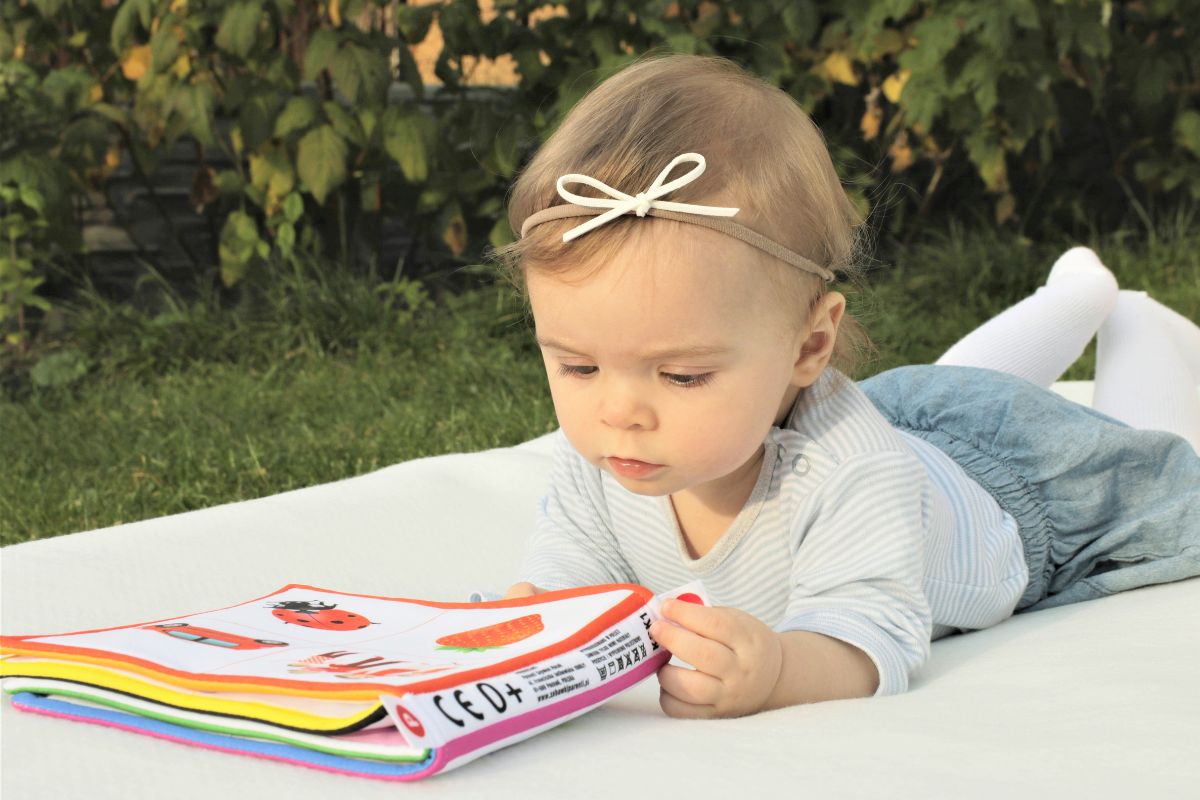 1. Choose the Right Environment
When planning a playdate for your baby, it’s important to consider the environment. Opt for a safe and calm setting, ideally a place where both babies can explore and interact freely without too many distractions.
Your home or a close friend’s home might be ideal, as they can offer a comfortable and familiar environment. If you're meeting at a park or other public space, make sure there are age-appropriate areas for babies to play, such as grassy fields or quiet corners.
2. Pick a Suitable Time
Timing can make a big difference in how well the playdate goes. Schedule the playdate during a time when your baby is typically well-rested and in a good mood.
Most babies are more content in the morning after a good night’s sleep, so aim for a time when both babies are less likely to be cranky or tired.
3. Plan Simple Activities
At this age, babies don’t require elaborate plans to have fun. Simple toys such as soft blocks, teething rings, or musical toys can encourage interaction. Baby-safe activities like tummy time together or exploring a play mat are also great options.
Avoid activities that may overwhelm them, and remember, the goal is for them to explore and enjoy each other’s company in a low-stress environment.
What to Bring for the Playdate
Packing a few essential items can help ensure the playdate runs smoothly. Here’s a list of what to bring along:
 1. Diaper Bag Essentials
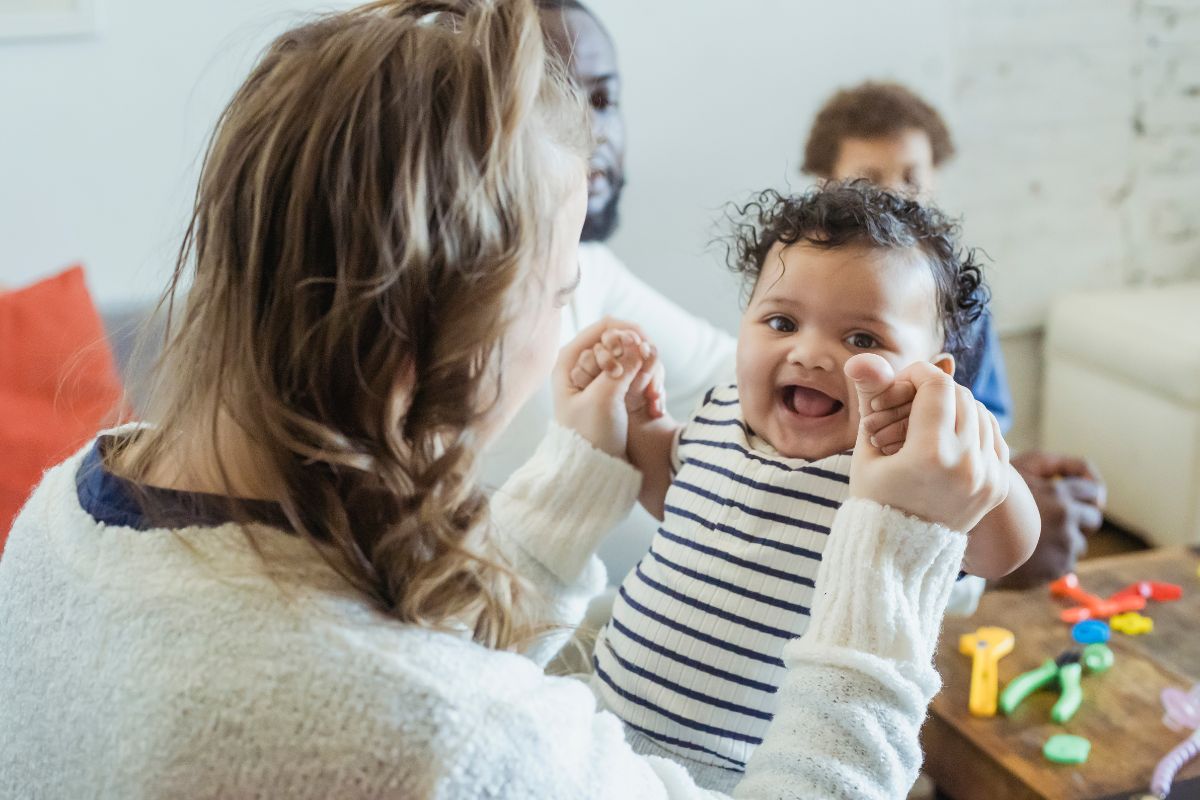 1. Diaper Bag Essentials
Be sure to pack everything you would normally bring for a day out with your baby. Essentials include diapers, wipes, a change of clothes, and snacks (if your baby has started eating solids). Don’t forget any necessary medications or baby care items such as diaper rash cream.
2. Toys and Comfort Items
If your baby has a favorite toy, blanket, or pacifier, bring it along for comfort. Having something familiar can help your baby feel at ease in an unfamiliar setting. You can also bring a few age-appropriate toys to share with the other baby. Make sure all toys are clean and safe for babies to use.
Don’t forget to bring a snack or drink for yourself! A little self-care during the playdate can help you stay energized and enjoy the experience with your baby. Be sure to pack a few refreshments to keep everyone hydrated.
Tips for Parents During the Playdate
The way you manage the playdate will have a significant impact on its success. Here are some important tips for parents to ensure the playdate goes smoothly:
1. Stay Calm and Positive
Your baby will pick up on your emotions, so try to maintain a calm and positive attitude. If you’re relaxed and enjoying the moment, your baby will feel more at ease. It’s natural for babies to cry or get upset during playdates, so don’t stress too much about it.
Focus on nurturing positive interactions and offering comfort when needed.
2. Be Mindful of Boundaries
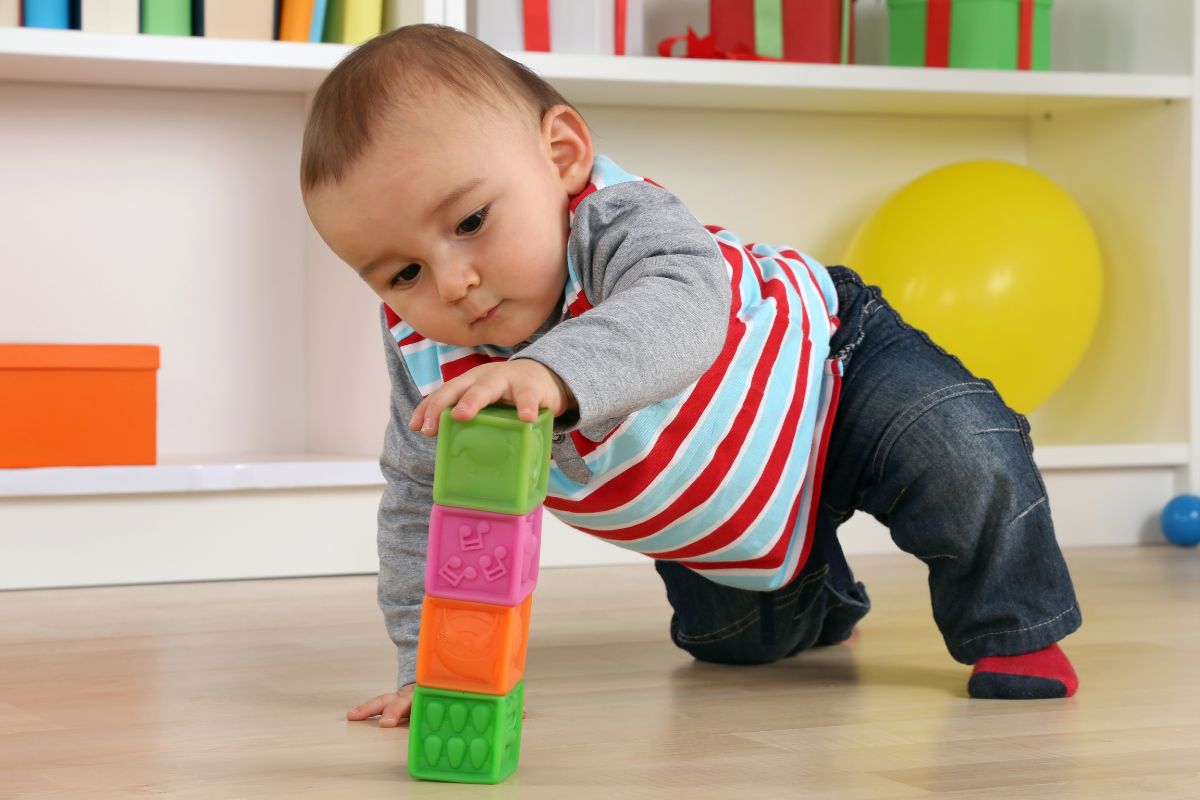 2. Be Mindful of Boundaries
At this stage, babies are still learning how to interact with others. They might grab toys, push, or even try to grab another baby. Be attentive to your baby’s actions and make sure that both babies are playing safely.
Gently guide your baby when necessary, and encourage sharing and turn-taking as they develop these skills. Keep in mind that babies are still exploring their own boundaries and emotions.
3. Facilitate Baby Interaction
During the playdate, it’s helpful to guide interactions between babies. While it’s important to let them explore on their own, you can also provide encouragement. For example, place a toy within their reach and observe how they react. Sometimes, simply sitting next to each other during tummy time can lead to some curious gazing or gentle touching.
What to Expect from Baby’s First Playdate
As this is their first social interaction with another baby, don’t expect your baby to engage in deep play. Here are a few things to keep in mind about what to expect:
1. Short Interactions
Playdates at this age are often brief. Babies might spend a few minutes exploring toys or even just looking at each other. It’s normal for babies not to engage in long play sessions, as they are still adjusting to social interaction.
Short bursts of play are completely fine and are often followed by a nap or some quiet time.
2. Emotional Responses
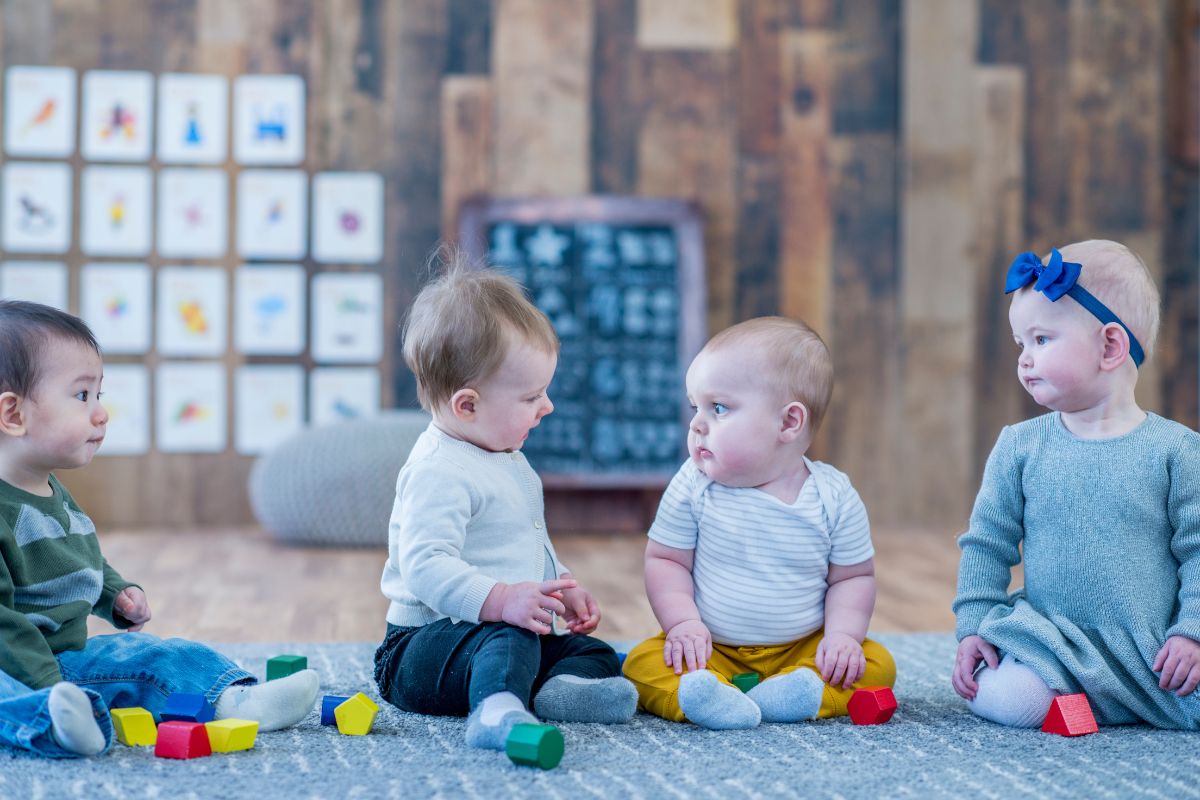 2. Emotional Responses
Some babies may feel a bit overwhelmed by the new environment and the presence of another baby. Be prepared for cries or fussiness, which is completely normal. If your baby gets upset, offer comfort and try to soothe them by offering a familiar object like a pacifier or blanket.
3. Gradual Bonding
The bonding process between babies happens gradually. You may notice moments of curiosity, such as watching each other or reaching for toys at the same time. These small interactions help your baby develop social awareness, but true bonding will take time.
Wrapping Up Baby’s First Playdate: What Comes Next
Baby’s first playdate is just the beginning of many social experiences to come. The most important thing is to enjoy the moment and remain patient as your baby learns to navigate interactions.
Each playdate is an opportunity for your baby to develop social skills in a safe and supportive environment.
Fostering Healthy Social Development Through Playdates
 Fostering Healthy Social Development Through Playdates
Baby’s first playdate is an exciting milestone in their journey of social development. While the experience may be brief and simple, it provides the foundation for important skills like sharing, communication, and empathy.
As parents, it’s important to approach the playdate with patience and positivity, allowing your baby to explore and connect at their own pace. With the right preparation, the first playdate will be a memorable experience that marks the start of many more to come.
Did you find this post useful or inspiring? Save THIS PIN to your PARENTING Board on Pinterest! 😊


You may also like