
- Urbaki Parenting
- Childcare
- Balancing Screen Time and Outdoor Play in Early Childhood
Balancing Screen Time and Outdoor Play in Early Childhood
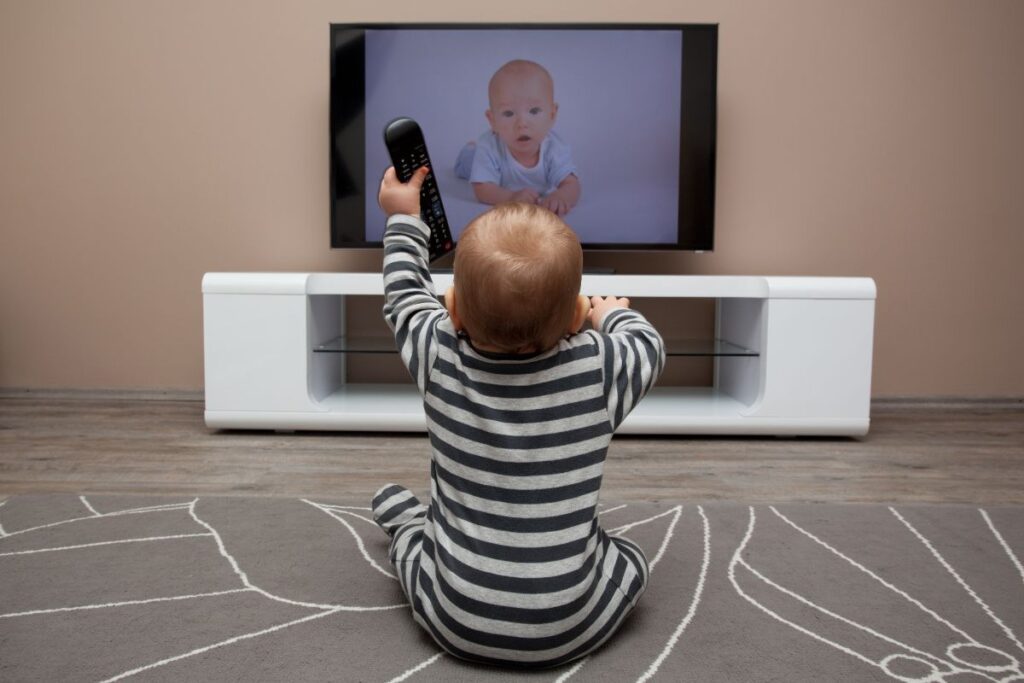
Kids today see screens from a very young age. Watching a favorite show, playing video games or using learning apps, screens have become a normal, everyday part of daily life.
However, balancing screen time with outdoor play is essential for the development of healthy habits in early childhood. In this article, we will explore the importance of finding a balance between screen time and outdoor activities, and how both contribute to a child’s growth and well-being.
The Impact of Screen Time on Early Childhood Development
While technology can offer educational content and entertainment, excessive screen time can have several negative effects on young children. It's crucial to understand these potential risks to help guide balanced media consumption.
Physical Health Concerns
One of the primary concerns with excessive screen time is its impact on physical health. Studies have shown that children who spend too much time in front of screens are more likely to:
Develop sedentary habits: Prolonged screen time often leads to a lack of physical movement, contributing to a more sedentary lifestyle.
Experience sleep disturbances: The blue light emitted by screens can interfere with melatonin production, affecting a child's ability to fall asleep.
Increased risk of obesity: A sedentary lifestyle, coupled with excessive screen time, can contribute to weight gain and related health issues.
Encouraging children to spend time outdoors can help mitigate these risks by promoting active play, improving physical fitness, and supporting a better sleep schedule.
 Cognitive and Social Development
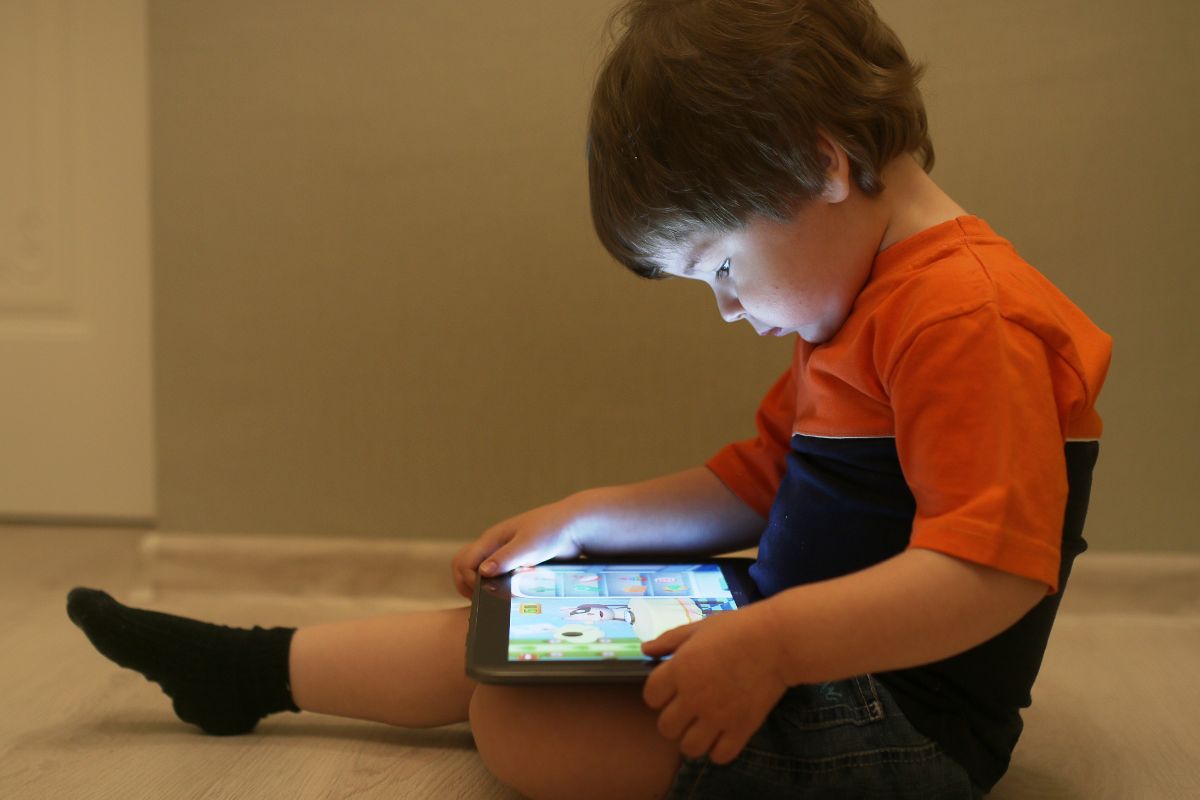 Cognitive and Social Development
Screens can offer educational content, but keep in mind that excessive use can hold back thinking and social development in young kids:
Limited social interactions: When children spend more time interacting with devices than with others, they miss out on essential social skills like communication, empathy, and cooperation.
Delayed language development: Face-to-face communication, which is critical for language development, can be reduced when children are absorbed in screens for long periods.
Decreased attention span: Quick-paced, attention-grabbing content can train children's brains to expect constant stimulation, making it harder for them to focus on less stimulating activities like reading or playing creatively.
Finding the right balance between screen time and real-world interactions is key to supporting a child's cognitive and emotional growth.
The Importance of Outdoor Play
Outdoor play is an essential part of childhood development, offering benefits that cannot be replicated indoors or on a screen. Engaging with the natural environment plays a vital role in shaping a child's physical, social, and emotional well-being.
Physical Benefits
 Physical Benefits
Outdoor play provides numerous physical health benefits that are critical for growing children:
Improved motor skills: Activities like running, climbing, and jumping help develop gross motor skills, while tasks like drawing in the sand or playing with small objects improve fine motor skills.
Stronger immune system: Exposure to fresh air, sunlight, and natural environments strengthens the immune system and reduces the likelihood of infections.
Better sleep quality: The physical activity and fresh air that come with outdoor play contribute to better sleep patterns and overall well-being.
Emotional and Social Growth
In addition to physical health, outdoor play fosters emotional and social growth in young children:
Increased confidence: As children explore their environment and accomplish physical tasks, their self-esteem and confidence grow.
Creativity and imagination: Outdoor settings provide countless opportunities for imaginative play, where children can create their own games, explore nature, and build unique scenarios.
Improved social skills: Whether playing with peers or participating in group activities, outdoor play encourages teamwork, communication, and conflict resolution.
Children who spend time outdoors are more likely to feel happier, less stressed, and more connected to the world around them.
Strategies for Balancing Screen Time and Outdoor Play
 Strategies for Balancing Screen Time and Outdoor Play
Achieving a healthy balance between screen time and outdoor play requires intentional planning and setting clear boundaries. Here are some effective strategies that parents and caregivers can use to create balance:
Set Clear Time Limits
Setting time limits on screen usage is an essential step in ensuring that children are not spending too much time in front of a screen. Experts recommend the following guidelines for screen time in early childhood:
For children aged 2 to 5: Limit screen time to one hour per day of high-quality programming or games.
For children under 2: Screen time should be avoided entirely, except for video calls with family members.
By establishing clear screen time limits, parents can help ensure that children are exposed to a healthy mix of activities, including outdoor play.
Incorporate Outdoor Play into Daily Routines
Make outdoor play a part of the daily routine. Some ways to do this include:
Scheduled outdoor time: Plan regular outdoor activities, such as walks, trips to the park, or family sports games. Treat this time as essential as any other part of the day.
Outdoor chores and activities: Involve children in outdoor tasks like gardening, washing the car, or playing ball games. These activities can be fun and fulfilling, while also providing physical exercise.
By integrating outdoor play into daily routines, children learn to prioritize physical activity and outdoor exploration over screen time.
Make Screen Time Interactive
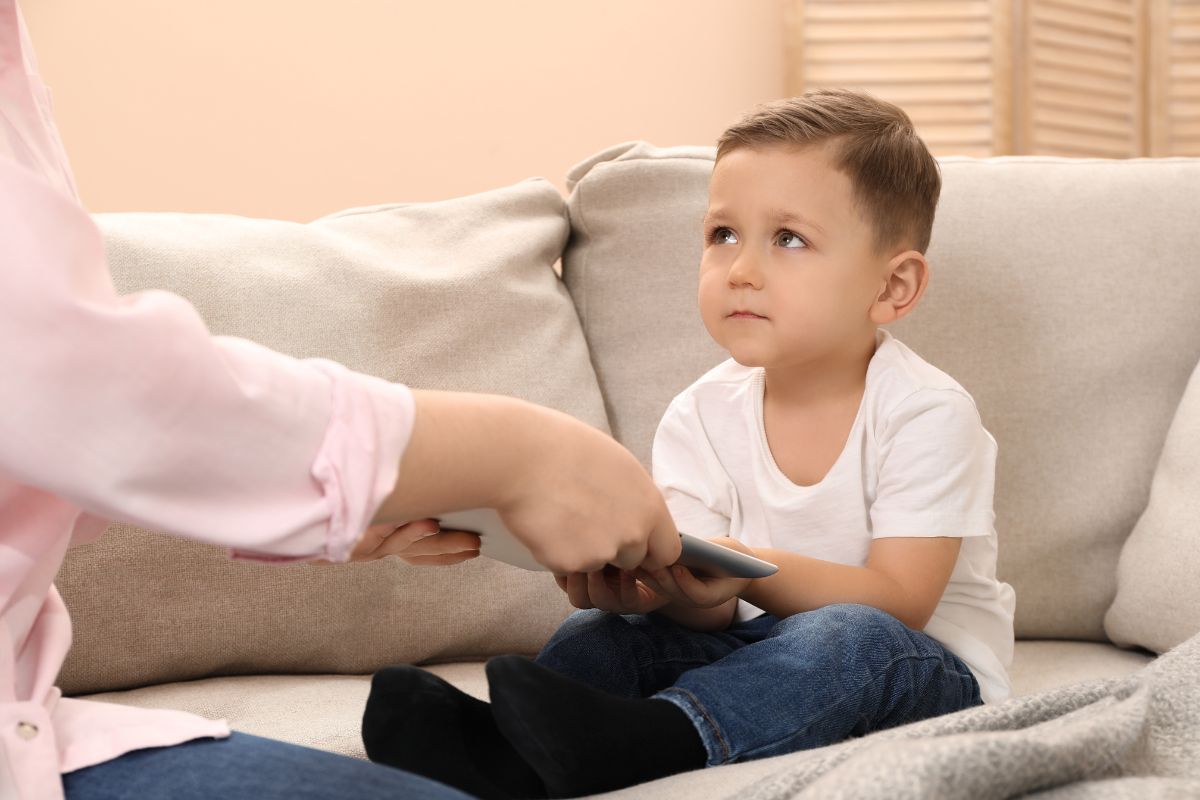 Make Screen Time Interactive
When screen time is necessary, make it more interactive and engaging by:
Watching educational content together: Engage in screen time as a family. Watch educational videos, discuss the content, and make it a shared experience rather than a solitary activity.
Limit passive screen time: Avoid using screens as a passive entertainment tool. Encourage children to use apps or games that involve problem-solving, creative thinking, or movement.
Interactive screen time allows children to engage with the content in a meaningful way, while also promoting cognitive and physical development.
Be a Role Model
Children often model their behaviors after the adults in their lives. If parents and caregivers demonstrate a healthy relationship with screen time and prioritize outdoor activities, children are more likely to follow suit.
Show children that outdoor play is valuable by participating in activities with them, whether it's a family hike, playing catch, or simply enjoying nature together.
Creating a Healthy Digital and Outdoor Balance for Your Child
 Creating a Healthy Digital and Outdoor Balance for Your Child
Balancing screen time with outdoor play is essential for the overall development of young children. While screens can offer educational content and entertainment, outdoor play promotes physical, emotional, and social growth.
By setting limits on screen time, putting outdoor play first and paying attention to what kids watch, parents can build a healthy balance that supports a child's well-being.
Ultimately, creating a healthy balance between screen time and outdoor play helps children grow into well-rounded, happy, and healthy individuals.
Did you find this post useful or inspiring? Save THIS PIN to your PARENTING Board on Pinterest! 😊


I'm Rachel, and my days are full of school runs, snack requests and craft supplies all over the kitchen table. I'm not a pediatrician or a child psychologist, just a parent sharing the ideas, activities and routines that make family life a little easier and a lot more fun. For anything health-related, always check with your child's doctor.

You may also like