
How to Introduce Toddlers to Mindful Eating Habits

As toddlers grow, developing healthy eating habits becomes crucial. One of the most beneficial practices for fostering a positive relationship with food is mindful eating. Mindful eating encourages children to slow down, pay attention to their body’s signals, and engage with their food in a thoughtful and intentional way.
By introducing toddlers to mindful eating habits early on, parents can help them build a foundation for healthy eating patterns and a positive attitude toward food. In this article, we’ll explore how to introduce toddlers to mindful eating and how it can benefit their long-term health.
What is Mindful Eating?
Mindful eating is the practice of being fully present and aware of the food we consume. It involves paying attention to how food looks, smells, tastes, and feels as we eat.
It also encourages us to listen to our body’s cues of hunger and fullness, which helps us make more informed and balanced decisions about eating. For toddlers, this means taking the time to enjoy each bite, recognize when they’re hungry or full, and appreciate the food in front of them.
This practice can prevent overeating, promote better digestion, and encourage healthier food choices.
 Why Introduce Mindful Eating to Toddlers?
 Why Introduce Mindful Eating to Toddlers?
Introducing mindful eating habits to toddlers offers a range of benefits, both in the short and long term. Here’s why it’s worth considering:
1. Promotes Healthy Eating Patterns
Mindful eating helps toddlers become more in tune with their body’s signals, such as when they’re truly hungry or when they’re satisfied. This can prevent overeating and encourage a healthier relationship with food.
Instead of eating out of habit or boredom, toddlers learn to eat when their bodies need fuel and stop when they’re full.
2. Encourages Positive Food Experiences
By practicing mindfulness around food, toddlers can develop a positive attitude toward eating. It helps reduce the stress often associated with mealtimes, such as rushing to finish or forcing them to eat certain foods.
When toddlers are encouraged to enjoy their food and engage with it slowly, mealtimes become an enjoyable experience rather than a battle.
3. Improves Digestion and Satisfaction
Eating slowly and mindfully allows the body time to properly digest food. This can help toddlers feel more satisfied after meals, which may reduce the likelihood of snacking throughout the day. It also aids in better digestion and can help alleviate stomach discomfort caused by eating too quickly.
How to Introduce Mindful Eating Habits to Toddlers
 How to Introduce Mindful Eating Habits to Toddlers
Introducing mindful eating to toddlers doesn’t have to be complicated. Here are some practical tips that can help guide your toddler toward mindful eating:
1. Create a Calm and Distraction-Free Mealtime Environment
The first step in encouraging mindful eating is to create a space that is calm and free from distractions. Avoid turning on the TV or handing your toddler a tablet during meals. Instead, focus on the food and the experience of eating together.
Sitting at the table without distractions helps toddlers focus on the food in front of them and engage with it fully.
2. Encourage Exploration of Food with the Senses
Help toddlers connect with their food by engaging their senses. Encourage them to smell, touch, and look at their food before taking a bite. Ask them questions like, “What does this apple smell like?” or “How does this broccoli feel in your hands?” By encouraging sensory exploration, toddlers begin to engage with food in a more mindful way and learn to appreciate its textures, colors, and flavors.
3. Use Smaller Portions to Avoid Overwhelm
Toddlers can get easily overwhelmed by large portions, which can lead to rushed or distracted eating. Serve smaller portions and encourage your toddler to eat one bite at a time. This allows them to savor each bite and stay more focused on their food. If they’re still hungry after finishing, they can ask for more.
4. Model Mindful Eating Yourself
 4. Model Mindful Eating Yourself
Toddlers learn by example, so one of the best ways to teach mindful eating is to model it yourself. When you sit down to eat, focus on your food, take small bites, and chew slowly.
Show your toddler how to pay attention to their hunger and fullness cues by stopping when you’re satisfied, not just when your plate is empty. Your actions will speak louder than words and help your toddler understand the importance of mindful eating.
5. Avoid Pressuring or Forcing Your Toddler to Eat
One of the key principles of mindful eating is that eating should be a positive experience, not a source of stress or conflict. Avoid pressuring your toddler to finish their plate or eat foods they’re not interested in.
If your toddler isn’t hungry or doesn’t want a particular food, that’s okay. Respect their cues and encourage them to enjoy what they’ve chosen without making it a negative experience.
6. Practice Gratitude for Food
A simple practice that can enhance mindful eating is to introduce gratitude into mealtimes. Before eating, take a moment to express gratitude for the food you’re about to eat.
You can say, “We’re thankful for this meal,” or “I’m grateful for the farmers who grew this food.” This teaches toddlers to appreciate where their food comes from and fosters a positive relationship with eating.
7. Use Fun, Interactive Activities
 7. Use Fun, Interactive Activities
Toddlers are naturally curious and eager to engage with their surroundings. Make mindful eating fun by turning mealtimes into interactive experiences. For example, you could play a game where you ask your toddler to guess the colors, textures, and flavors of different foods.
Incorporate games that encourage them to slow down, like a “chew 10 times” challenge or asking them to make silly faces after each bite.
Overcoming Challenges to Mindful Eating
While introducing mindful eating to toddlers can be rewarding, it may come with its challenges. Here are a few common obstacles and how to address them:
1. Short Attention Spans
Toddlers have short attention spans, and mealtimes can sometimes feel rushed. If your toddler is easily distracted or wants to finish quickly, keep the mealtime short and sweet. Focus on quality over quantity—allow them to enjoy the experience without forcing them to sit for long periods.
2. Picky Eating Habits
Some toddlers can be picky eaters, which may make mindful eating challenging. If your toddler refuses certain foods, remain patient and open-minded.
Keep offering a variety of healthy options, and try to make mealtimes fun by involving them in the preparation process. Encourage them to try new foods without pressure or stress.
3. Impatience or Resistance to Slowing Down
Toddlers are often eager to get to the next thing, and eating slowly can be difficult for them. You can help by encouraging small, manageable steps, such as taking one bite at a time or playing a fun game related to chewing. Praise them when they take their time, and be patient with the process.
Fostering Healthy, Mindful Eating Habits Early On
 Fostering Healthy, Mindful Eating Habits Early On
Introducing toddlers to mindful eating habits is an excellent way to promote a healthy relationship with food from an early age.
By encouraging sensory exploration, creating a calm mealtime environment, and modeling positive eating behaviors, parents can help their toddlers develop mindful eating habits that will serve them well throughout their lives.
Remember, the goal is not perfection, but fostering a loving, positive approach to food that supports both physical and emotional well-being. Through patience, practice, and positivity, you can guide your toddler toward a lifelong appreciation for mindful eating.
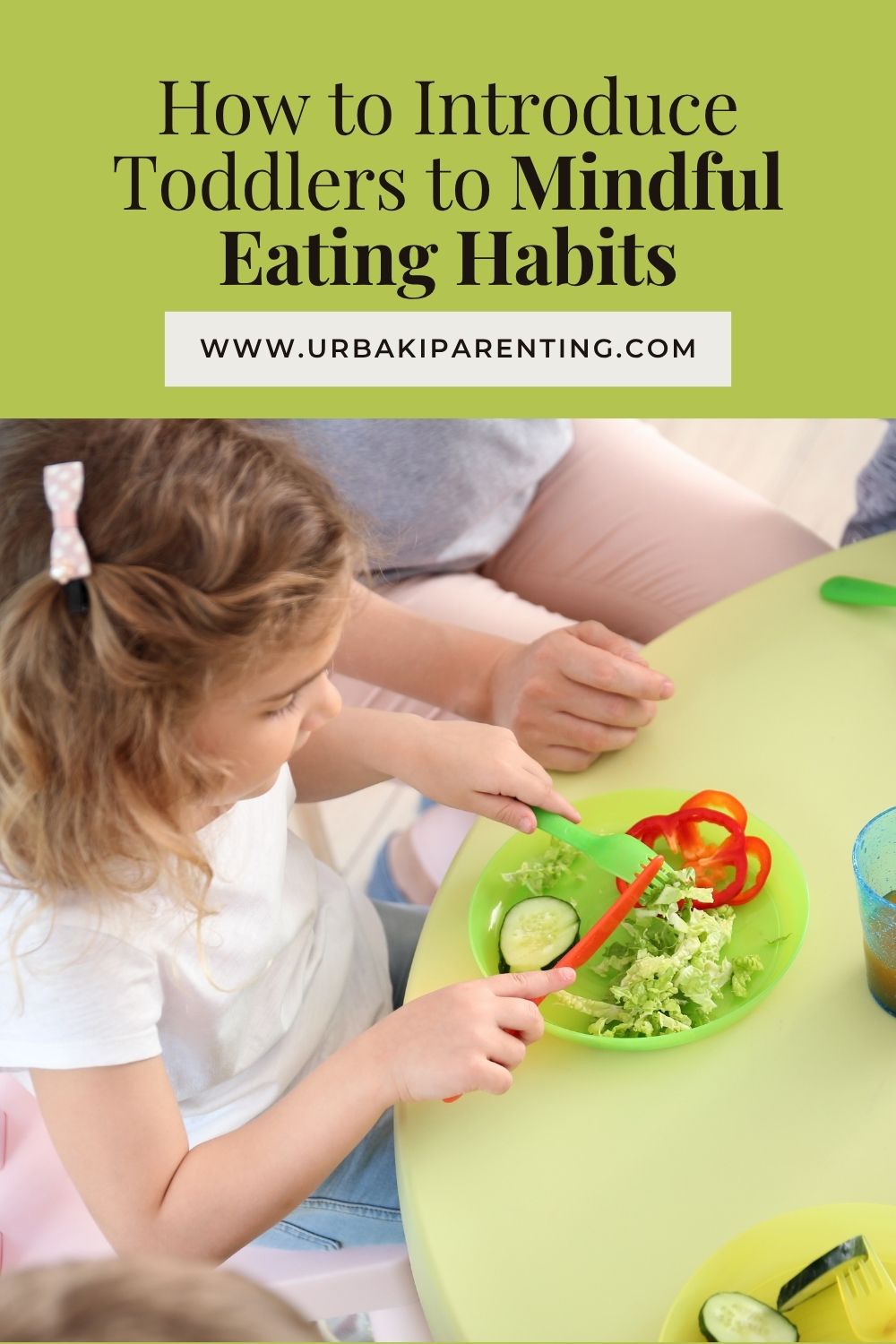
Did you find this post useful or inspiring? Save THIS PIN to your PARENTING Board on Pinterest! 😊

You may also like