
Creating a Calming Environment for New Parents and Their Babies

Becoming a parent is joyful—and a little overwhelming. In the first weeks, your home can either amplify stress or soften it.
A calming environment won’t solve every challenge, but it will lower sensory overload, support better sleep, and make everyday care feel more manageable.
Below you’ll find a friendly, practical guide to shaping spaces that comfort both you and your baby.
Why Atmosphere Matters in the Newborn Phase
Babies are still adjusting to life outside the womb, and parents are adjusting to a completely new rhythm. A home with soft lighting, predictable cues, and simple, organized zones helps regulate everyone’s nervous system.
When your space communicates “you’re safe, you’re held, you can rest,” it becomes easier to notice your baby’s cues, settle fussy moments, and protect your own energy.
Set the Sensory Foundation
Light: Keep It Soft and Predictable
Use warm, dimmable lights or lamps with soft white bulbs in your main nighttime spaces. Avoid bright overheads after sunset; they can stimulate wakefulness.
A small night-light near the changing area reduces the need to flip on strong lights and helps keep baby in a sleepy state during feeds.
Sound: Comfort Without Clutter
Many families find consistent white noise soothing. Choose a steady sound (fan, dedicated machine, or app) at a safe volume, and keep it consistent across naps and nighttime so it becomes a cue for sleep.
Balance this with periods of natural household sounds during the day so your baby doesn’t require silence or constant noise to settle.
Scent: Neutral and Familiar
Babies don’t need perfumes. Keep the nursery fresh and neutral by airing out the room daily and washing linens in unscented detergent.
If you love a certain natural aroma (like a clean cotton or a subtle herbal sachet stored in the closet), ensure it’s gentle, not on baby’s skin, and used sparingly.
Touch: Cozy, Not Overheated
Think soft, breathable textiles—cotton sheets, muslin swaddles, and lightweight sleep sacks appropriate for your climate. Overheating can interrupt sleep and isn’t safe.
Aim for a comfortable room temperature and dress baby in one more layer than you need.
 Create Functional “Calm Zones” at Home
A Restful Sleep Corner
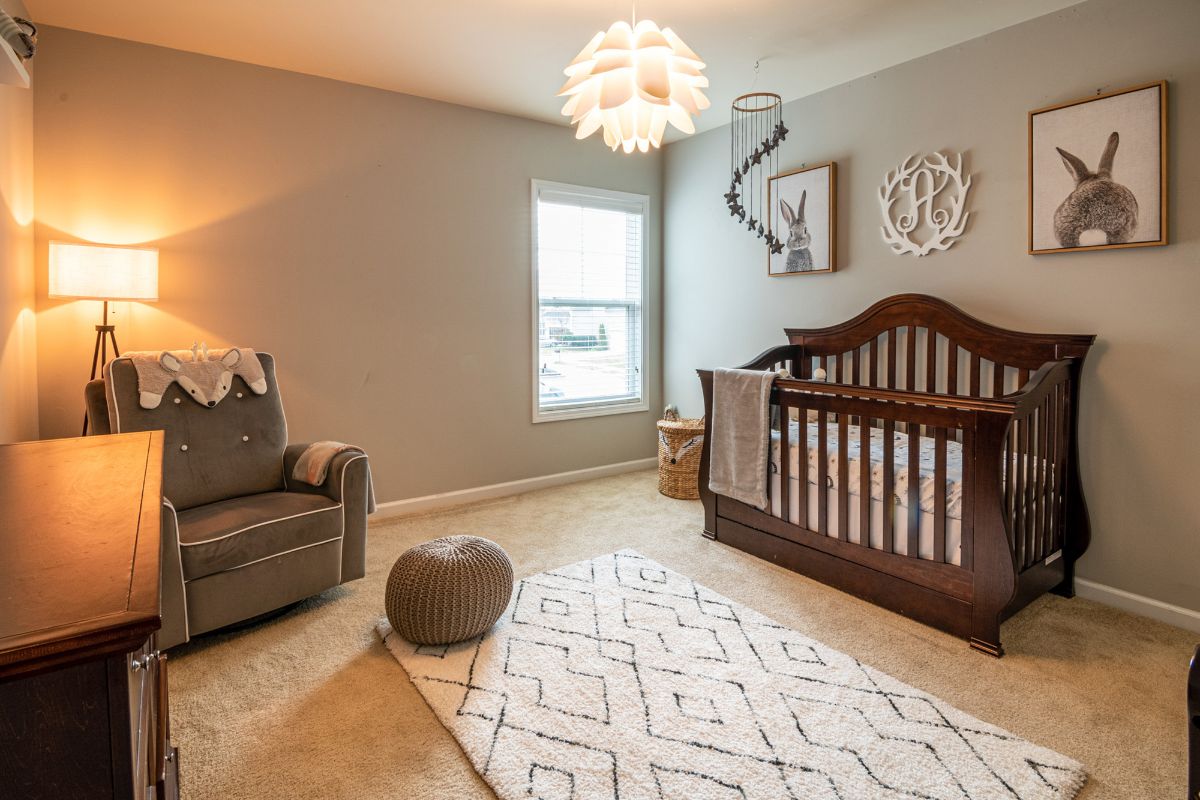
Whether baby sleeps in your room or a nursery, keep the sleep zone simple and safe. A firm, flat mattress with a fitted sheet and no extra pillows, blankets, or toys helps reduce stimulation and risk.
Keep only what you need within reach: a burp cloth, a pacifier (if you use one), and a dim light.
A Feeding-Friendly Chair
Choose a spot that supports your posture and shoulders.
A chair with armrests, a small pillow for lower back support, and a basket nearby stocked with water, snacks, and burp cloths creates a relaxing feeding ritual. Add a footstool if it keeps your knees comfortable.
A Streamlined Changing Station
Gather diapers, wipes, diaper cream, a spare swaddle, and one backup outfit in a small caddy.
Keep this caddy portable so you can move between rooms without dismantling your setup. The goal is less searching, more soothing.
 Build Rhythms That Lower Stress
Gentle Day–Night Cues
During daylight, open curtains and let in natural light. Keep voices normal and life moving; babies learn that day is for activity.
In the evening, dim lights and lower voices to signal calm. Repeated over time, these cues create an environmental lullaby that nudges sleep readiness.
A Calming Pre-Sleep Sequence
It doesn’t need to be long. A short routine—fresh diaper, zip into sleep sack, lights dim, white noise on, a brief cuddle—can be enough.
Consistency turns these steps into sleep signals for your baby and a reassuring structure for you.
Support for Baby—and for You
Skin-to-Skin and Contact Naps
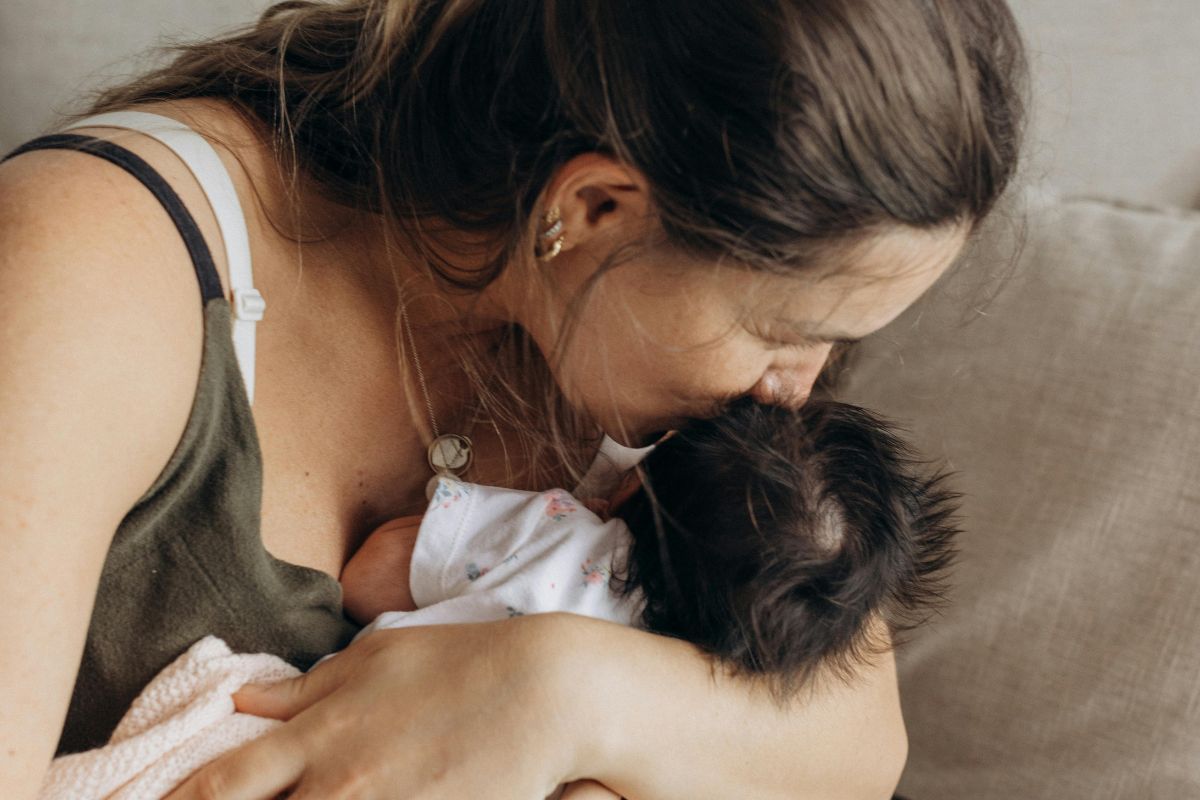
Skin-to-skin contact stabilizes baby’s temperature and heart rate and deepens bonding.
If contact naps are part of your day, set up a safe, ergonomic spot—a supportive chair or bed with pillows behind your back. Keep a water bottle and snack within reach; nourished parents regulate better.
Parent-Care Micro-Moments
Place tiny oases around the home: a peppermint lip balm near the sink, a favorite playlist queued up, a yoga mat left unrolled in a corner.
These micro-moments of care remind you that your needs matter too—and a regulated parent is the most soothing “environment” a baby can have.
 Keep Clutter Low and Comfort High
Edit the Visual Field
Clutter taxes attention. Store gear you don’t use daily and display only what earns its space. Clear surfaces help you find essentials quickly, and rooms feel instantly calmer.
Use Baskets and Labels
Simple baskets for diapers, swaddles, and small clothes prevent rummaging. Add clear labels (even temporary sticky notes) so partners and visitors can help without asking where things go.
Nighttime Setup That Actually Works
Prepare Before Bed
Before your evening wind-down, restock the changing caddy, lay out two clean burp cloths, and refill your water bottle.
Pre-portion a quick snack for night feeds. These tiny steps reduce midnight decision-making and keep the night predictable and quiet.
Light Discipline
Keep only one small light available for changes and slow movements. The more you protect darkness, the easier it is for everyone to drift back to sleep.
 Safety Is the Calmest Feeling of All
Safe sleep is non-negotiable: a firm flat surface, baby on their back, no loose bedding or soft objects.
Avoid dangling cords near the crib, secure furniture to walls, and keep the changing area stocked and stable. When you know you’re following simple, evidence-aligned safety practices, you can relax more deeply.
Navigating Visitors and Boundaries
It’s okay to limit visiting hours or ask guests to wash hands and postpone if they’re unwell. Post a friendly sign on the door or send a polite message template.
Protecting your quiet window for naps and feeding keeps the day smooth and your nervous system steady.
Small Space, Big Calm
In apartments or shared rooms, choose foldable gear and dual-purpose furniture (a dresser as a changing station, a crib that later converts).
Use vertical storage and door hooks. Remember: babies need connection, not square footage.
 Budget-Friendly Calming Touches
You don’t need pricey gadgets. Prioritize a safe sleep surface, a comfortable chair, soft lighting, and organization.
Borrow or buy secondhand items you can sanitize. A calmer home is built from consistency and care, not cost.
When Emotions Run High
Some days are hard. If either parent feels persistently low, anxious, or unable to rest, reach out for support—from a healthcare provider, a lactation counselor, a doula, or trusted family.
Asking for help is an act of strength and love.
 Bring the Calm Home (Your Gentle Next Steps)
Start small and start today. Choose one room—often the bedroom—and make three changes: dim the lighting, clear the surfaces, and stock a simple caddy with essentials.
Turn on steady white noise for sleep times, keep your phone brightness low at night, and create a tiny parent-care corner with water and a nourishing snack.
With each thoughtful tweak, your home begins to echo the message your baby most needs to hear: you’re safe, you’re held, and we’re all in this together.
Did you find this post useful or inspiring? Save THIS PIN to your PARENTING Board on Pinterest! 😊



You may also like