
The Science Behind Toddler Memory and How to Support It

As toddlers grow, their brains undergo rapid development. One of the most fascinating aspects of this phase is the evolution of their memory.
Understanding how toddler memory works can help parents and caregivers create an environment that nurtures memory development and strengthens a child’s ability to learn and recall information.
In this article, we’ll explore the science behind toddler memory and provide practical tips on how to support and enhance it.
The Development of Memory in Toddlers
Memory is a complex cognitive process that involves encoding, storing, and retrieving information. During the toddler years (ages 1 to 3), a child’s memory system undergoes significant development.
At this age, toddlers begin to form long-term memories and develop the ability to recall past events, people, and places. However, it’s important to understand that memory in toddlers is different from that of adults.
 1. Types of Memory in Toddlers
 1. Types of Memory in Toddlers
There are several types of memory, and each plays a crucial role in how toddlers process and remember information:
Sensory Memory: This is the initial stage where information is temporarily stored in response to stimuli (sights, sounds, smells, etc.). It only lasts for a fraction of a second.
Short-Term Memory: At this stage, toddlers can retain information for a few seconds to a minute. It helps them remember small details like the colors of toys or the names of people they recently encountered.
Long-Term Memory: This type of memory allows toddlers to store information for longer periods. Although long-term memory is still developing, toddlers start to retain more meaningful experiences, such as the faces of loved ones or their favorite toys.
2. The Brain’s Role in Memory Formation
At around 18 months, toddlers experience significant brain development, particularly in the hippocampus and prefrontal cortex—two areas crucial for memory storage and recall.
The hippocampus is responsible for forming long-term memories, while the prefrontal cortex helps with decision-making and planning, both of which are linked to memory.
As toddlers grow, these brain regions become more efficient, allowing them to remember events for longer periods.
The Science Behind Memory in Toddlers
 The Science Behind Memory in Toddlers
While toddler memory is rapidly developing, it is not as stable or reliable as that of older children or adults. Research shows that toddlers' memories are particularly fragile and susceptible to interference.
For instance, a toddler might vividly recall an event one day and then forget it completely the next. This is due to the still-developing neural pathways in their brains.
1. Memory and Emotional Connections
Memory in toddlers is often influenced by emotions. Toddlers are more likely to remember experiences that evoke strong emotions, whether positive or negative.
A child may remember a joyful experience, like a birthday party, much more clearly than a neutral event, such as a regular trip to the grocery store.
This emotional connection helps toddlers form lasting memories, which can later serve as a foundation for more complex memory formation as they age.
2. Repetition and Memory Strengthening
Memory is strengthened through repetition. The more a toddler is exposed to the same information or experience, the more likely they are to remember it.
For example, a toddler who regularly hears the same bedtime story or sees the same faces at daycare will form stronger associations with these events and people over time.
Repetition helps to reinforce neural connections in the brain, making the memory more stable and easier to recall.
How to Support and Enhance Toddler Memory
 How to Support and Enhance Toddler Memory
As parents, there are many ways to support and enhance your toddler’s memory development. By incorporating simple, everyday practices, you can create a learning-rich environment that encourages memory growth.
1. Engage in Interactive Play
Interactive play is one of the best ways to support memory development.
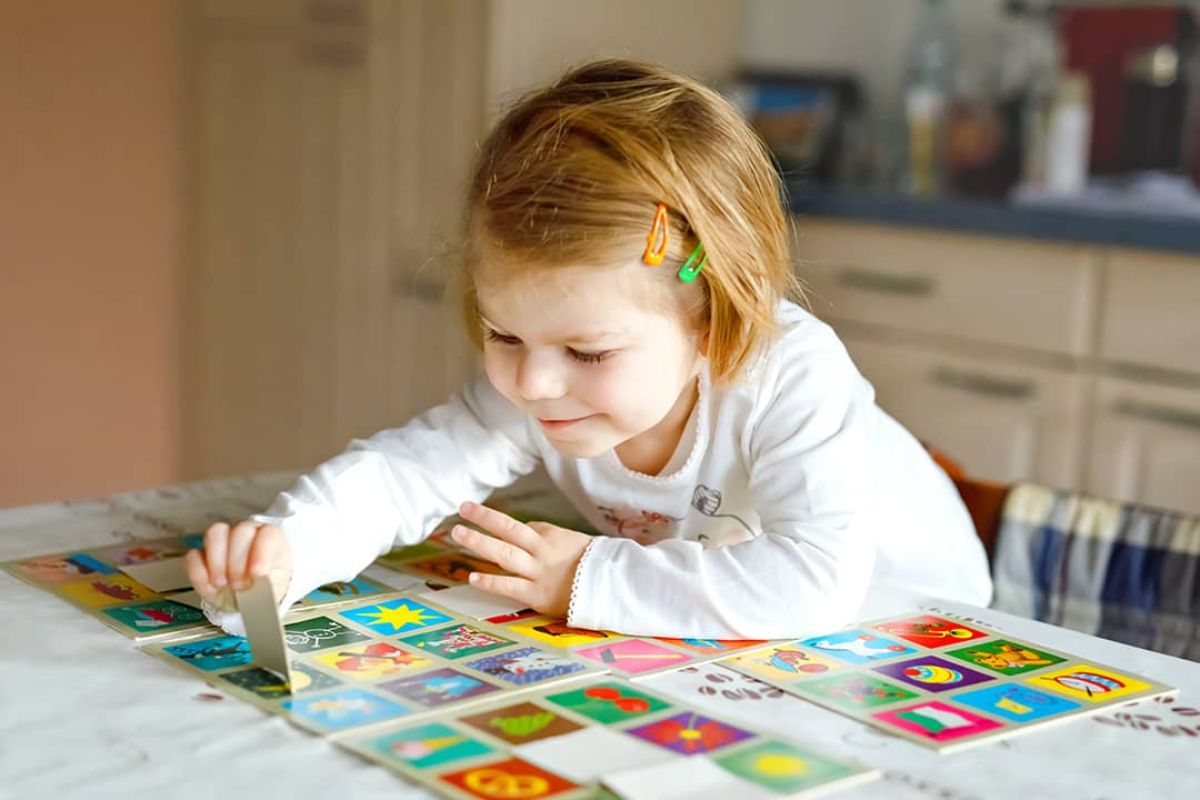
Activities that require your toddler to actively engage with their environment, such as building with blocks, playing pretend, or solving simple puzzles, stimulate their brain and encourage memory retention.
These activities allow toddlers to connect actions to outcomes, reinforcing memory through cause and effect.
Tip: Use memory games like “Simon Says” or “I Spy” to help your toddler recall objects and actions. These games are fun, but they also encourage focus and attention to detail, which are essential for memory development.
2. Read Regularly
Reading aloud to your toddler is not only a bonding experience but also a powerful tool for enhancing memory. Stories expose toddlers to new vocabulary, concepts, and scenarios, which they can later recall.
Moreover, hearing familiar stories repeatedly helps reinforce long-term memory. Toddlers begin to recognize words, characters, and storylines, which contributes to both language development and memory retention.
Tip: Choose books with repetitive patterns or rhyming verses. Books that feature recurring themes and characters will help your toddler anticipate what comes next and remember the plot.
3. Provide Consistent Routines
 3. Provide Consistent Routines
Toddlers thrive in structured environments where they can predict what will happen next. A consistent routine gives toddlers a sense of security and helps them remember daily events.
Whether it's the order of activities throughout the day or specific cues like brushing teeth before bed, routines help toddlers form mental maps of their day and remember where certain events happen in the home.
Tip: Create a visual schedule for your toddler, using pictures to represent different activities throughout the day. This visual aid not only supports memory but also teaches your toddler about time and sequence.
4. Encourage Exploration and Sensory Stimulation
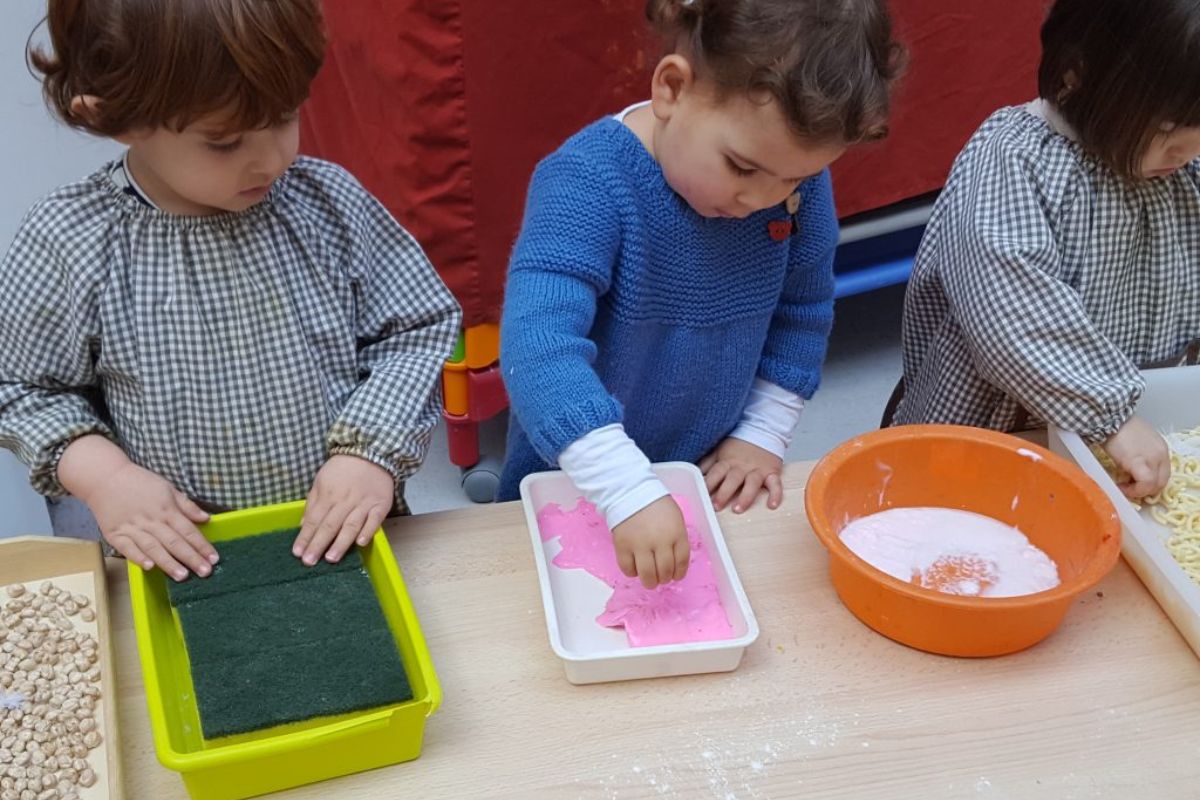
The more a toddler explores, the more sensory experiences they encounter, which enhances memory. Sensory stimulation—such as touching different textures, smelling new scents, or listening to various sounds—helps create lasting memories.
Encouraging your toddler to engage with different environments, whether it’s a walk in the park, a visit to the zoo, or a trip to a new playground, exposes them to new stimuli and strengthens their memory recall.
Tip: Make sensory-rich experiences a regular part of your toddler’s day. For example, go on a nature walk where they can collect leaves or flowers, or visit a new playground to explore different slides and climbing structures.
5. Limit Screen Time
 5. Limit Screen Time
Excessive screen time can hinder memory development in toddlers. Research shows that toddlers learn best through interactive play, not passive activities like watching television or playing with electronic devices.
Too much screen time can also lead to reduced attention spans, which makes it harder for toddlers to form and retain memories.
Tip: Limit screen time to less than one hour per day for toddlers and focus on activities that require physical engagement and mental effort.
Nurturing Stronger Memory for Lifelong Learning
Supporting your toddler’s memory development is about creating a rich, engaging environment that encourages exploration, repetition, and emotional connection.
By engaging in regular interactive play, reading together, providing consistent routines, and limiting screen time, you are laying the groundwork for your toddler to develop a strong memory that will serve them well throughout life.
Remember, every toddler develops at their own pace, but with the right support and encouragement, you can help them strengthen their memory and cognitive abilities, setting them up for future success.
Did you find this post useful or inspiring? Save THIS PIN to your PARENTING Board on Pinterest! 😊



You may also like