
- Urbaki Parenting
- Childcare
- The Benefits of Co-Sleeping for Parents and Babies
The Benefits of Co-Sleeping for Parents and Babies

Co-sleeping is a practice that has been around for centuries, where parents and their babies sleep in the same bed or in close proximity. In recent years, it has sparked a lot of discussion, with both supporters and critics voicing their opinions.
However, many parents swear by the practice, citing numerous benefits for both them and their babies. In this article, we will explore the advantages of co-sleeping, including emotional bonding, improved sleep quality, and other positive effects.
The Emotional Bond Between Parent and Baby
One of the most significant benefits of co-sleeping is the strong emotional bond it fosters between parents and their babies. Sleeping in close proximity allows parents to provide comfort and reassurance throughout the night.
This constant physical closeness helps babies feel secure and loved, which is vital for their emotional development.
Enhanced Sleep Quality for Both Parents and Babies
Many parents find that co-sleeping improves their quality of sleep. Newborns and infants wake up frequently throughout the night, and having them close by can reduce the time it takes to soothe them back to sleep.
This can be especially beneficial for parents who are trying to avoid the stress of walking to a separate nursery during the night. Parents who co-sleep often report feeling more rested since they are able to respond to their baby’s needs quickly without fully waking up or leaving the bed.
 Reduced Night Wakings for Babies
 Reduced Night Wakings for Babies
Babies who sleep near their parents tend to wake up less frequently during the night, as they can hear the comforting sounds of their parents breathing or feel their presence. This sense of security can lead to longer, more peaceful sleep cycles for the baby.
Parents may also be able to detect subtle changes in their baby’s sleep patterns, making it easier to respond to their needs promptly, preventing crying, and ensuring the baby remains calm.
More Restful Sleep for Parents
Although it might seem like parents would have less sleep when sharing a bed with a baby, many report that they actually sleep more soundly. By having their baby close by, parents can quickly attend to their baby’s needs without fully waking up.
This leads to a better quality of sleep for both the baby and the parents, especially during the first few months when babies require constant attention.
Smoothing the Transition to Independent Sleep
Contrary to what some might believe, co-sleeping does not prevent babies from learning to sleep on their own. In fact, it can make the transition to independent sleep easier when the time comes.
Babies who have experienced consistent comfort and reassurance from their parents are more likely to feel confident when transitioning to their own space. The sense of security gained from co-sleeping can serve as a foundation for future independence.
Promotes Breastfeeding Success
 Promotes Breastfeeding Success
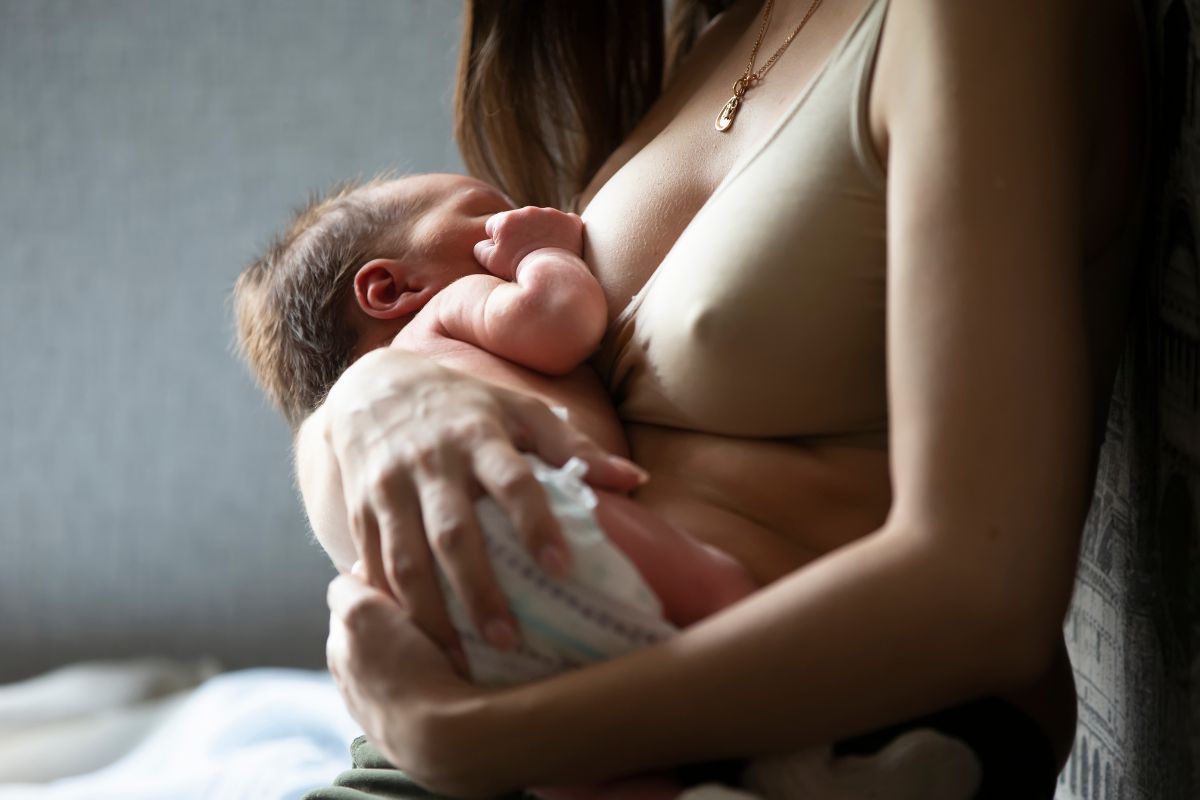
For breastfeeding mothers, co-sleeping can significantly enhance breastfeeding success. Having the baby close by during the night makes it easier to nurse on demand, which can improve milk supply and promote a stronger breastfeeding relationship.
Co-sleeping allows mothers to respond to the baby’s hunger cues quickly, without the need to fully wake up and get out of bed, making nighttime feedings less disruptive for both the baby and the parent.
A Greater Sense of Family Connection
Co-sleeping can also bring a sense of togetherness within the family. By sharing the same sleeping space, parents, babies, and even siblings feel more connected. It reinforces the idea that the family is a unit that functions together, fostering a sense of security and comfort for everyone involved.
This can be especially meaningful for parents who value closeness and want to encourage a strong family bond from the earliest stages of their child’s life.
Safety Considerations in Co-Sleeping
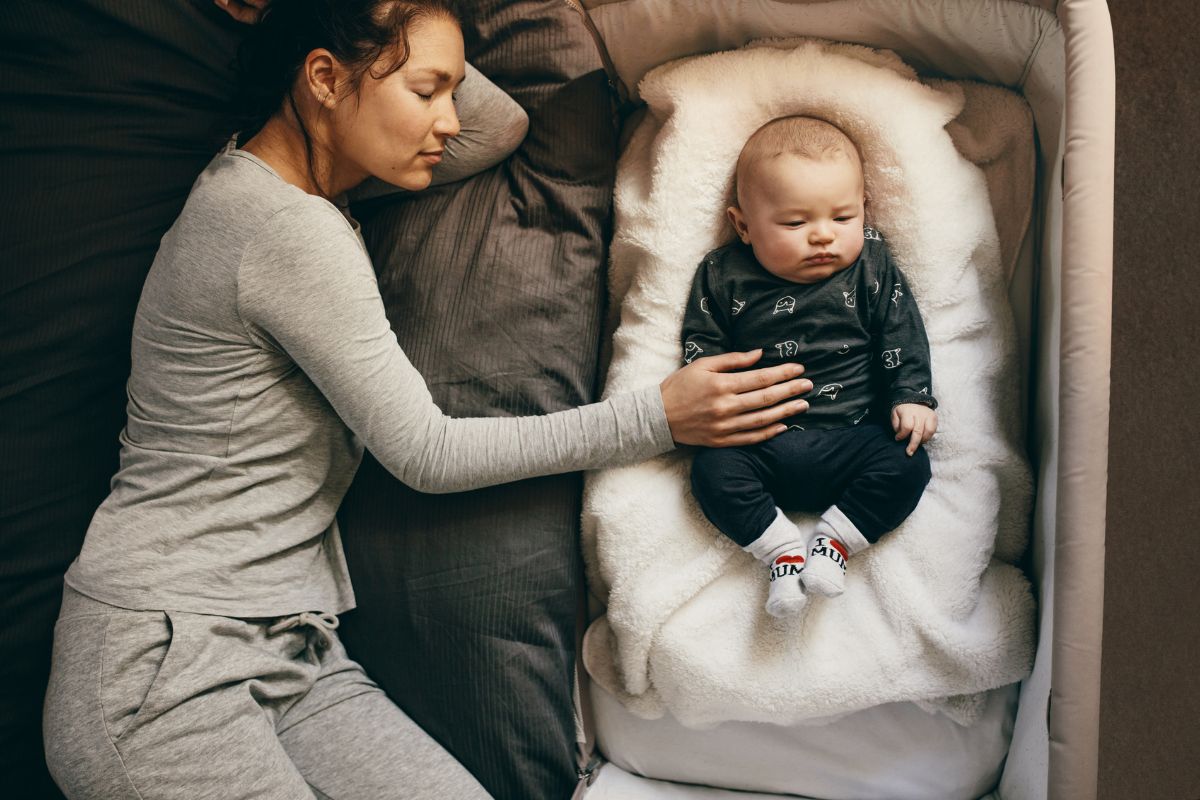
While co-sleeping has many benefits, it is important to keep safety in mind. The American Academy of Pediatrics (AAP) has outlined some guidelines for safe co-sleeping. Parents should always ensure that the baby sleeps on a firm mattress, away from pillows or blankets that could cause suffocation.
It is also essential that the baby sleep on their back to reduce the risk of Sudden Infant Death Syndrome (SIDS). Safe co-sleeping practices can provide all the benefits while minimizing potential risks.
Improved Parenting Experience
 Improved Parenting Experience
Parents who co-sleep often report feeling more attuned to their baby’s needs. The close proximity allows for better communication, even non-verbal, such as feeling the baby’s movements or hearing their sounds, which can help parents react faster to their child’s needs.
This heightened awareness can make parents feel more empowered and confident in their parenting role.
A Considerate Approach to Sleep Needs
It’s essential to note that co-sleeping is a personal choice and may not be the right solution for every family. What works for one set of parents may not work for another. It’s important to consider both parents’ needs, as well as the baby’s, when deciding whether to co-sleep.
As with any parenting decision, balance is key. Parents should feel free to choose what works best for them and their family dynamic.
Embracing Co-Sleeping as a Temporary Phase
One of the key aspects of co-sleeping is that it’s often a temporary phase. While co-sleeping can bring a lot of benefits during the early stages of a child’s life, many families naturally transition to separate sleeping spaces as the child grows older.
This transition doesn’t need to be rushed; it’s important to go at your family’s pace and do what feels right.
Building Strong Bonds Through Co-Sleeping
 Building Strong Bonds Through Co-Sleeping
Co-sleeping provides numerous benefits, not just for the baby, but for parents as well. It helps foster a strong emotional connection, improves sleep quality, supports breastfeeding, and can make parenting more rewarding.
While safety precautions should always be a priority, co-sleeping can be a wonderful way to bond and connect as a family during the early years. Whether it’s a short-term solution or a long-term arrangement, co-sleeping can play a crucial role in nurturing both your baby and your relationship as parents.
Did you find this post useful or inspiring? Save THIS PIN to your PARENTING Board on Pinterest! 😊


You may also like