
Childcare Innovations: How Technology is Changing Home Daycares
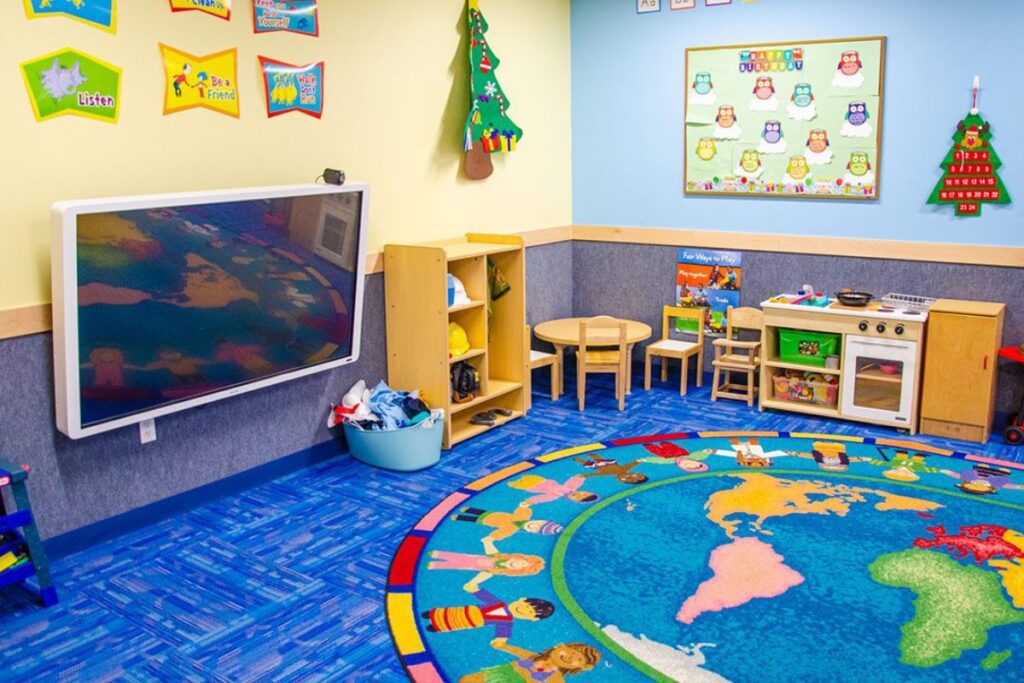
Childcare is changing fast, and technology is making a big difference in how home daycares run. The days when caregivers relied only on paper and phone calls for communication and record-keeping are gone.
Today, home daycare providers are leveraging modern tools and platforms to enhance both the quality of care and the efficiency of their services.
From streamlining administrative tasks to enhancing child development, technology is reshaping the home daycare landscape.
In this article, we’ll explore the key innovations in technology that are changing the way home daycares operate, the benefits they bring to both caregivers and parents, and how they contribute to the overall development of children.
The Rise of Technology in Home Daycares
As home daycares strive to provide the best care for children, technology is becoming an essential tool.
Whether through apps, smart devices, or automated systems, these innovations allow caregivers to focus more on interacting with children rather than getting bogged down by administrative tasks.
 A New Era of Communication
 A New Era of Communication
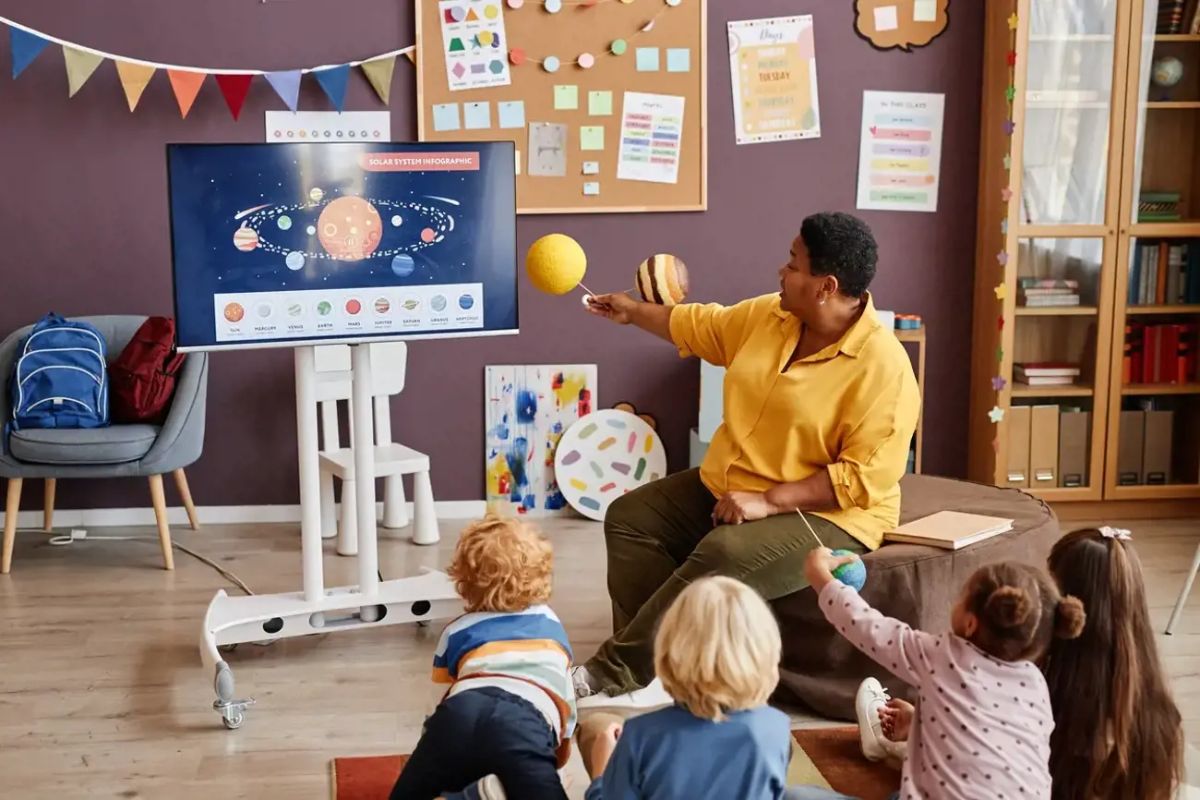
One of the most significant ways that technology is transforming home daycares is by improving communication between caregivers and parents.
Today’s daycare providers can easily send real-time updates and photos to parents using apps like Brightwheel, HiMama, and Kangarootime.
These platforms allow caregivers to share important milestones, nap times, meals, and even behavior observations with parents throughout the day.
Benefits of Real-Time Communication
Transparency: Parents can stay informed about their child’s day without needing to make a call or send an email. This fosters a sense of trust and peace of mind.
Parental Involvement: Parents can interact with their child’s daily activities and provide feedback on any specific needs or preferences.
Efficient Updates: Instead of using handwritten logs or end-of-day updates, caregivers can share photos, videos and notes right away, which makes communication smooth and easy.
Digital Attendance and Scheduling
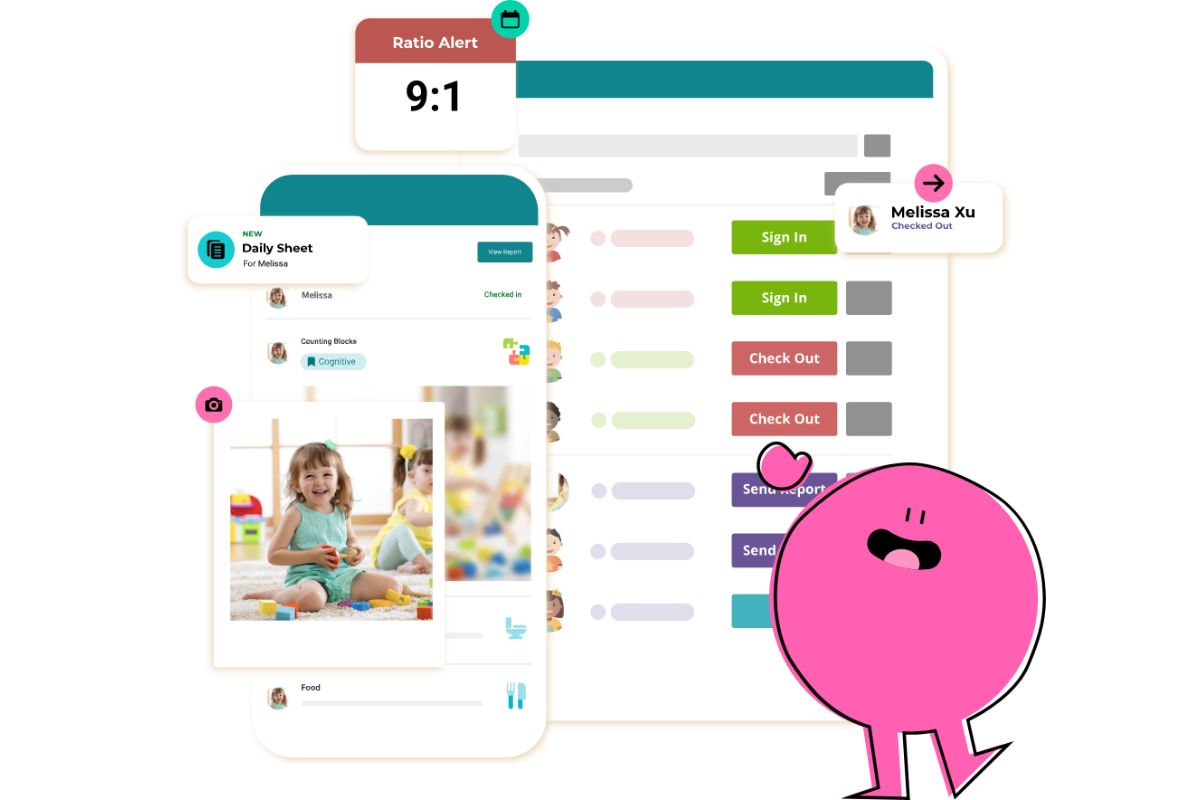
Another technological innovation that has significantly impacted home daycares is the use of digital attendance and scheduling software. Apps and systems now allow caregivers to easily track attendance, manage schedules, and maintain accurate records.
These tools make it simple to see when children are due to arrive or leave, track vacations, and handle scheduling changes on the fly.
Advantages of Digital Scheduling Systems
 Advantages of Digital Scheduling Systems
Reduced Errors: Paper logs are prone to human error, whereas digital tools provide accurate, real-time tracking.
Better Organization: Caregivers can see their day’s schedule at a glance, ensuring smoother transitions and fewer disruptions throughout the day.
Streamlined Payments: Some scheduling systems also integrate payment processing, allowing parents to pay for services directly through the app, reducing administrative overhead for caregivers.
Enhancing Child Development with Technology
While communication and scheduling tools improve efficiency, technology also plays a crucial role in supporting children’s learning and development. Smart devices and apps designed for early childhood education offer engaging ways for children to learn through play.
These tools can provide personalized learning experiences, track developmental milestones, and introduce new concepts in a fun and interactive way.
Educational Apps and Games
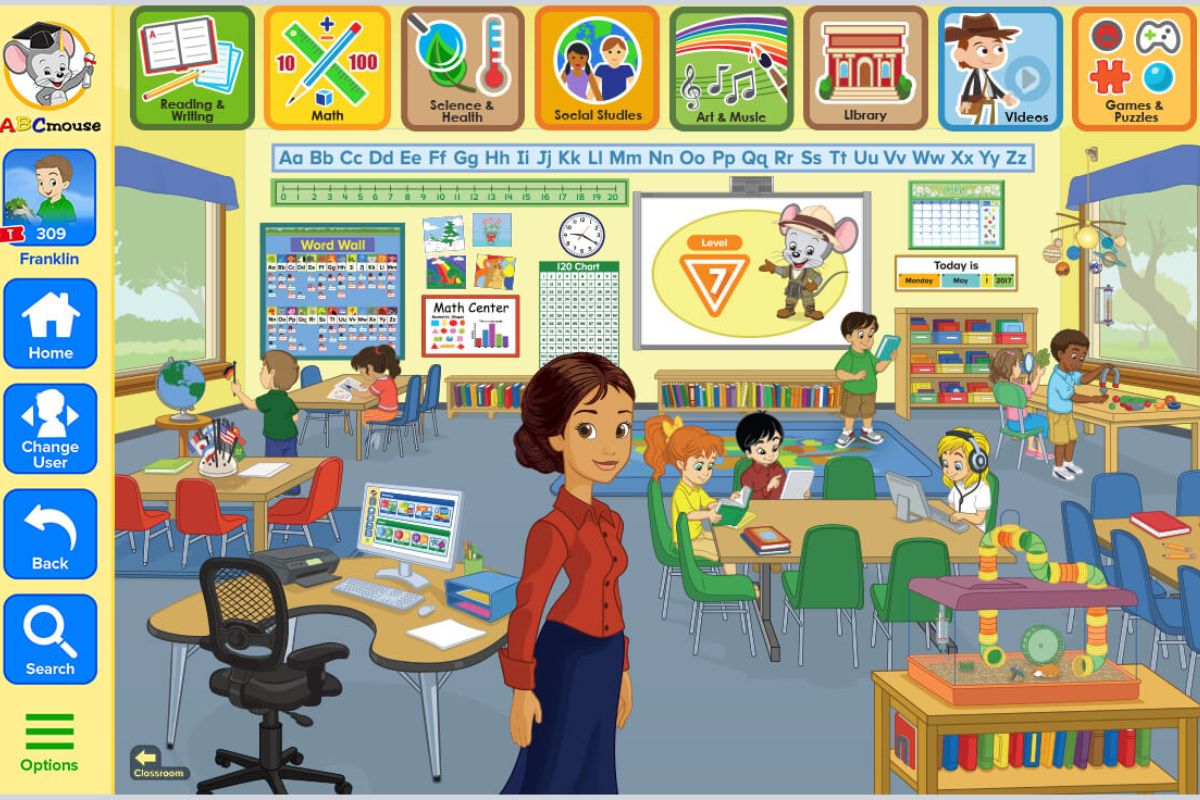
Many home daycares now incorporate educational apps and interactive games that encourage children to explore subjects like math, reading, and creativity.
These apps are designed to be age-appropriate, helping toddlers and preschoolers learn at their own pace. Apps such as Endless Alphabet, ABCmouse, and Toca Boca have become staples in modern home daycares.
Benefits of Educational Technology for Children
 Benefits of Educational Technology for Children
Personalized Learning: Apps can tailor activities based on a child’s individual development, offering them the right level of challenge.
Engagement: Interactive games and activities hold children’s attention, making learning both fun and effective.
Skill Development: From learning letters and numbers to developing motor skills, these tools support a wide range of developmental needs.
Monitoring Child Progress
For home daycare providers, technology also offers a way to track and monitor a child’s development over time. By using digital platforms to record milestones, caregivers can track a child’s cognitive, social, and emotional progress.
This not only allows caregivers to adjust their teaching methods but also provides valuable insights for parents.
Tracking Development with Technology
Behavioral Reports: Caregivers can use apps to record behavioral patterns, such as communication skills, social interactions, or emotional responses, and share them with parents to discuss areas for improvement.
Milestone Tracking: Technology can help caregivers identify when children reach key milestones, ensuring they receive the appropriate support when needed.
Improving Safety and Security
 Improving Safety and Security
Child safety is always a top priority in home daycares, and technology can play an important role in ensuring children are safe and secure while under care. From surveillance cameras to biometric systems, these tools help maintain a high standard of security.
Video Surveillance Systems
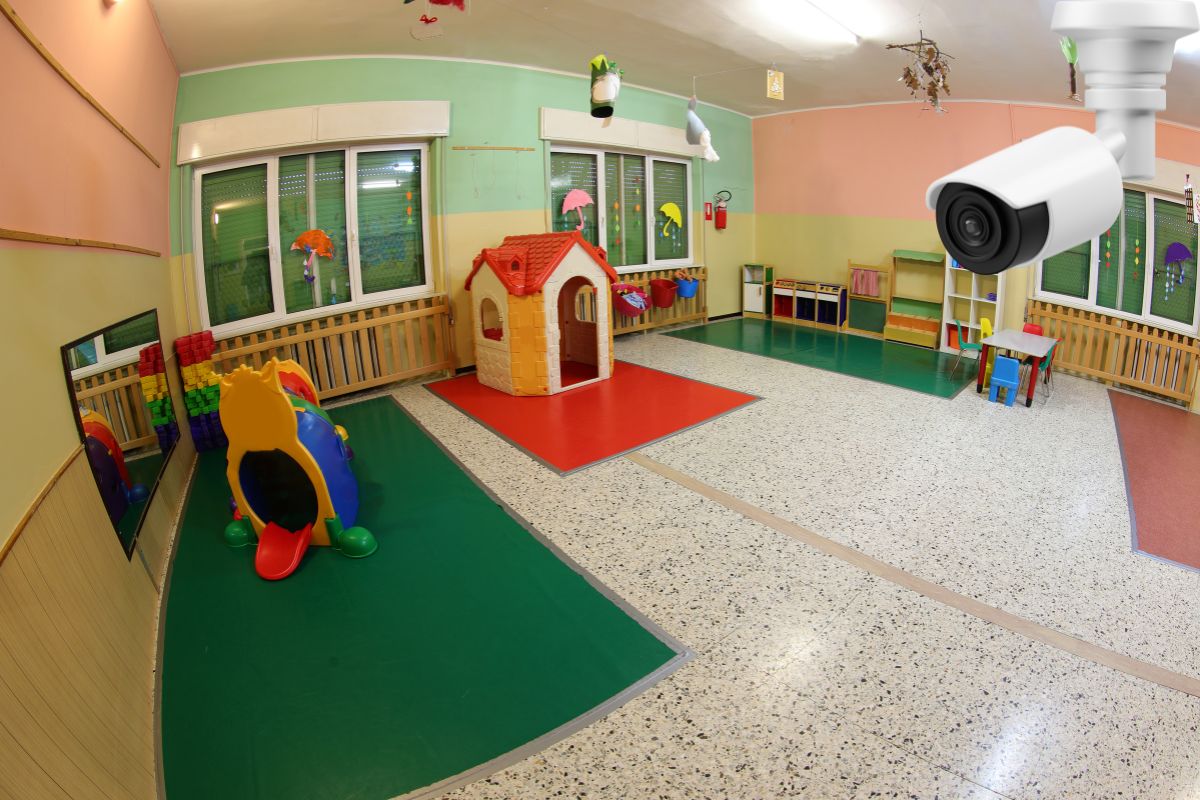
Many home daycare providers have implemented video surveillance systems to monitor children’s activities throughout the day. These cameras provide an extra layer of security for both caregivers and parents.
In some cases, parents can even access these feeds to see how their child is doing, which can be particularly reassuring for first-time parents.
Benefits of Surveillance for Safety
Peace of Mind for Parents: Parents can check in and see how their child is interacting with others, eating, or playing.
Security for Caregivers: Surveillance systems also ensure that caregivers have an extra set of eyes in case of emergencies, preventing accidents and ensuring quick response times.
Incident Documentation: In the rare case of an accident or dispute, surveillance footage can serve as valuable documentation to clarify what happened.
Biometric Identification Systems
 Biometric Identification Systems
Some home daycares are adopting biometric systems to enhance security. These systems use fingerprint or facial recognition technology to ensure that only authorized individuals can pick up children from daycare.
This provides an added layer of protection, ensuring that children are handed over only to trusted adults.
The Future of Home Daycares with Technology
As technology continues to evolve, its impact on home daycares will only grow.
From improving communication between caregivers and parents to enhancing child development through interactive learning, technology is helping home daycares provide better care for children and streamline their operations.
With the added benefits of increased security and personalized learning experiences, the future of home daycares looks brighter than ever.
By embracing these innovations, home daycares can stay ahead of the curve, providing not only the highest standard of care but also fostering an environment that supports children’s growth in all aspects of their development.
Whether it’s improving communication, enhancing education, or ensuring safety, technology is a valuable partner in shaping the future of childcare.
Did you find this post useful or inspiring? Save THIS PIN to your PARENTING Board on Pinterest! 😊


You may also like