
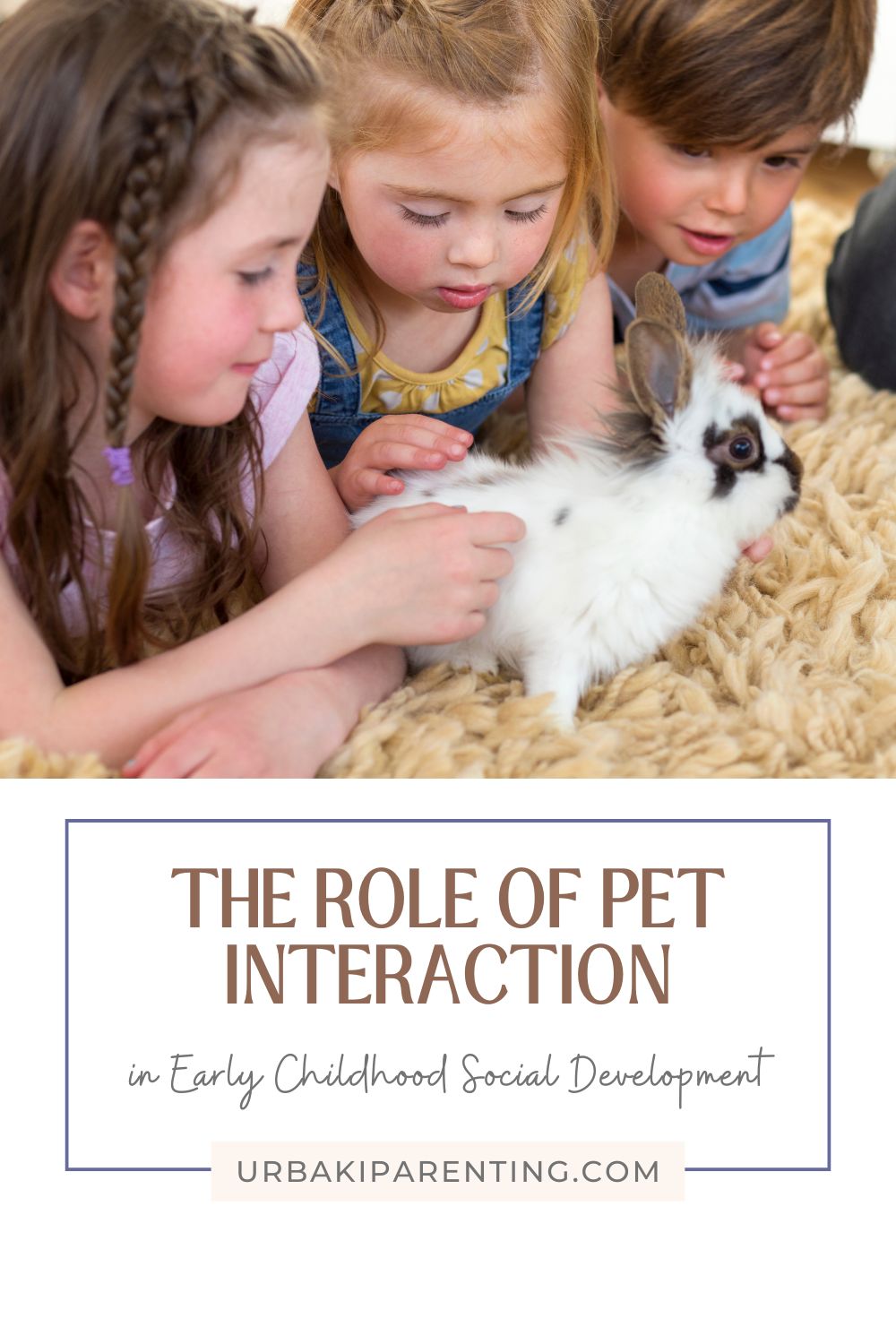
The Role of Pet Interaction in Early Childhood Social Development

As parents, we all want the best for our children’s social, emotional, and cognitive growth. While much focus is placed on human interactions and educational experiences, one often-overlooked contributor to early childhood development is the relationship between children and their pets.
Pet interaction can play a significant role in fostering social development in young children, helping them develop critical life skills like empathy, communication, and emotional regulation.
In this article, we’ll explore the positive impact of pet interaction on early childhood social development and how to maximize these benefits.
The Importance of Social Development in Early Childhood
Social development during early childhood is crucial for a child’s overall growth. The first few years of life are a period of rapid development, where children start to learn about relationships, emotions, and communication.
The ability to understand social cues, develop empathy, and interact appropriately with others is foundational for later success in school, friendships, and even in the workplace.
 Key Areas of Social Development in Early Childhood
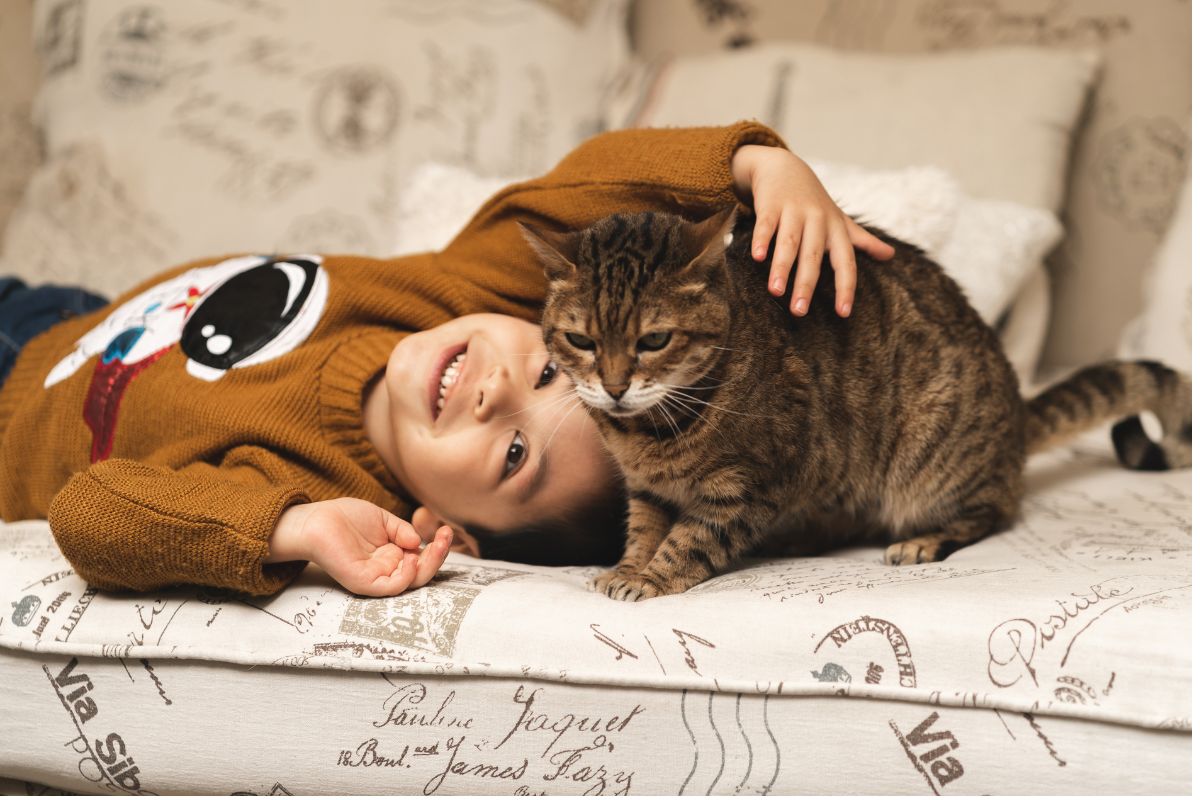 Key Areas of Social Development in Early Childhood
Communication skills: Learning how to express thoughts, needs, and emotions.
Empathy: Understanding and sharing the feelings of others.
Cooperation and teamwork: Learning how to share, take turns, and work with others.
Emotional regulation: Understanding and managing emotions like frustration, joy, and sadness.
By promoting positive social interactions from an early age, we can help children build the necessary skills for healthy relationships throughout their lives. One of the most unique and beneficial relationships that children can form is with their pets.
How Pets Influence Social Development
1. Building Empathy
One of the most significant ways that pets contribute to social development is by fostering empathy. When children interact with pets, they learn to recognize and respond to the needs of another living being. 
This can help children develop a deeper understanding of the emotions and well-being of others.
Caring for a pet: Feeding, grooming, and providing for a pet’s needs teach children how to care for another. This encourages compassion and the development of nurturing behaviors.
Reading pet behavior: Pets communicate through body language, and children learn to recognize signs of happiness, fear, or discomfort in their pets. This awareness can help children develop emotional sensitivity and understanding in human relationships as well.
Empathy learned through pet interaction can translate into more compassionate relationships with peers, family members, and even adults.
2. Enhancing Communication Skills
Pets are nonverbal companions, which means that children must learn to communicate with them using different cues, such as body language, tone of voice, and actions. This fosters a range of communication skills, including:
Verbal communication: Children often talk to their pets, sharing stories, asking questions, or simply expressing their feelings. This helps children practice and enhance their language skills in a safe, non-judgmental environment.
Nonverbal communication: Understanding how pets respond to certain behaviors teaches children how to observe and interpret body language and facial expressions. This helps improve their ability to read nonverbal social cues in human interactions.
Through these interactions, children learn to communicate more effectively, both verbally and nonverbally.
3. Promoting Emotional Regulation
Pets can also play an important role in helping children develop emotional regulation. Caring for a pet involves experiencing a range of emotions, from the joy of playing with them to the frustration of cleaning up after them.
Pets provide children with opportunities to practice managing their feelings, especially when emotions run high.
Managing frustration: Children may become frustrated when a pet misbehaves or doesn’t respond as expected. This gives them a chance to practice patience and problem-solving.
Providing comfort: Pets are often known to offer unconditional companionship, which can be incredibly comforting to children during moments of stress or sadness. Simply petting or cuddling with a pet can help children regulate their emotions and feel calmer.
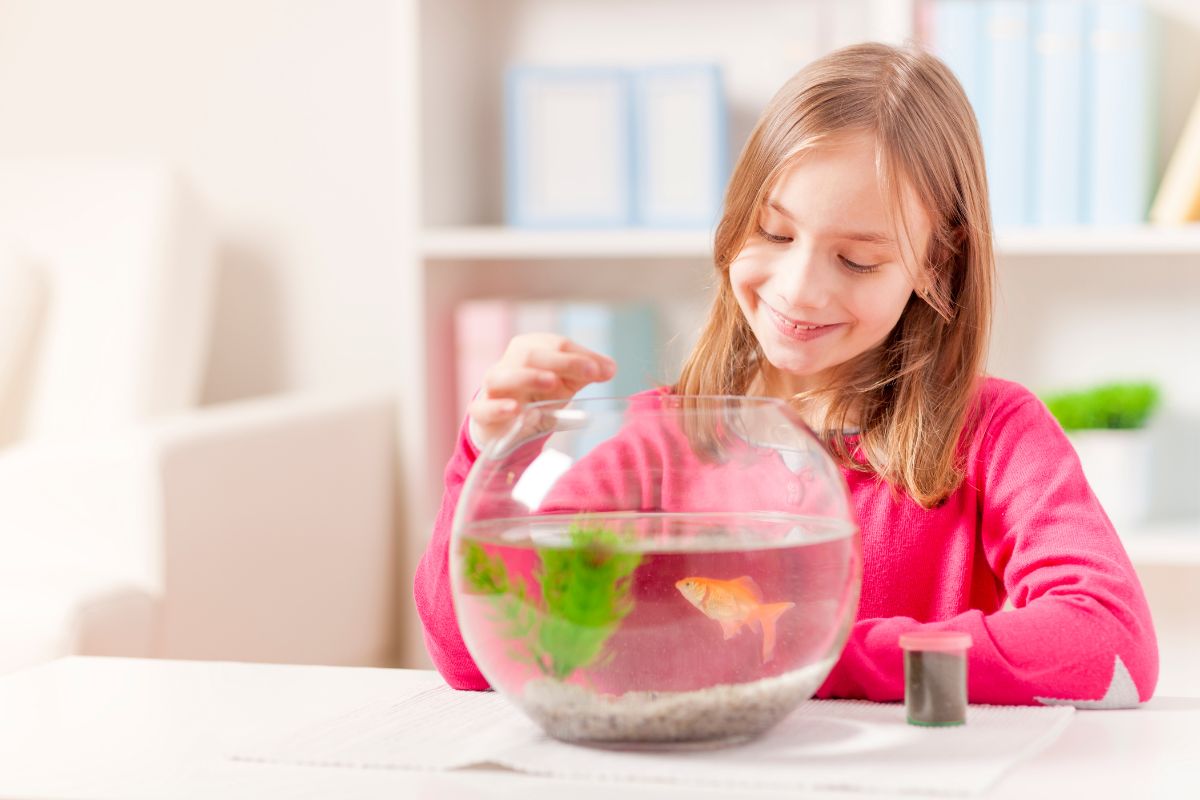
In this way, pets teach children how to deal with complex emotions, which is a valuable skill in all areas of social development.
4. Encouraging Social Skills and Peer Interaction
Pets can act as social catalysts, particularly for shy or introverted children. Pets offer a common ground for interaction, encouraging children to engage with each other and with other people. For example:
Playtime with pets: Pets, especially dogs, often encourage active play, such as throwing a ball or taking them for walks. These activities help children learn how to take turns, cooperate, and share attention.
Pets as a social bridge: Children with pets often have an easier time making friends, as their pets provide a conversation starter or a reason to interact with peers. The shared interest in animals can help break the ice, making social interactions more comfortable and natural.
By interacting with pets, children practice and reinforce essential social skills like sharing, turn-taking, and cooperation.
5. Instilling Responsibility and Routine
Another key benefit of having a pet is the responsibility that comes with caring for them. Pets require consistent care, which can teach children the importance of following routines, being dependable, and understanding the consequences of their actions. These lessons are crucial for social development:
Routine building: Feeding, walking, and grooming a pet on a regular schedule help children understand the importance of routines and structure. Consistency in their pet care also translates into consistency in other areas of life, such as schoolwork and social commitments.
Developing responsibility: As children take on the task of caring for a pet, they learn to be more accountable for their actions. This helps develop a sense of ownership and dependability, which are important qualities in building strong, healthy relationships.
Being responsible for a pet can help children build confidence in their ability to manage other aspects of their lives, contributing to their social growth.
Tips for Maximizing the Benefits of Pet Interaction
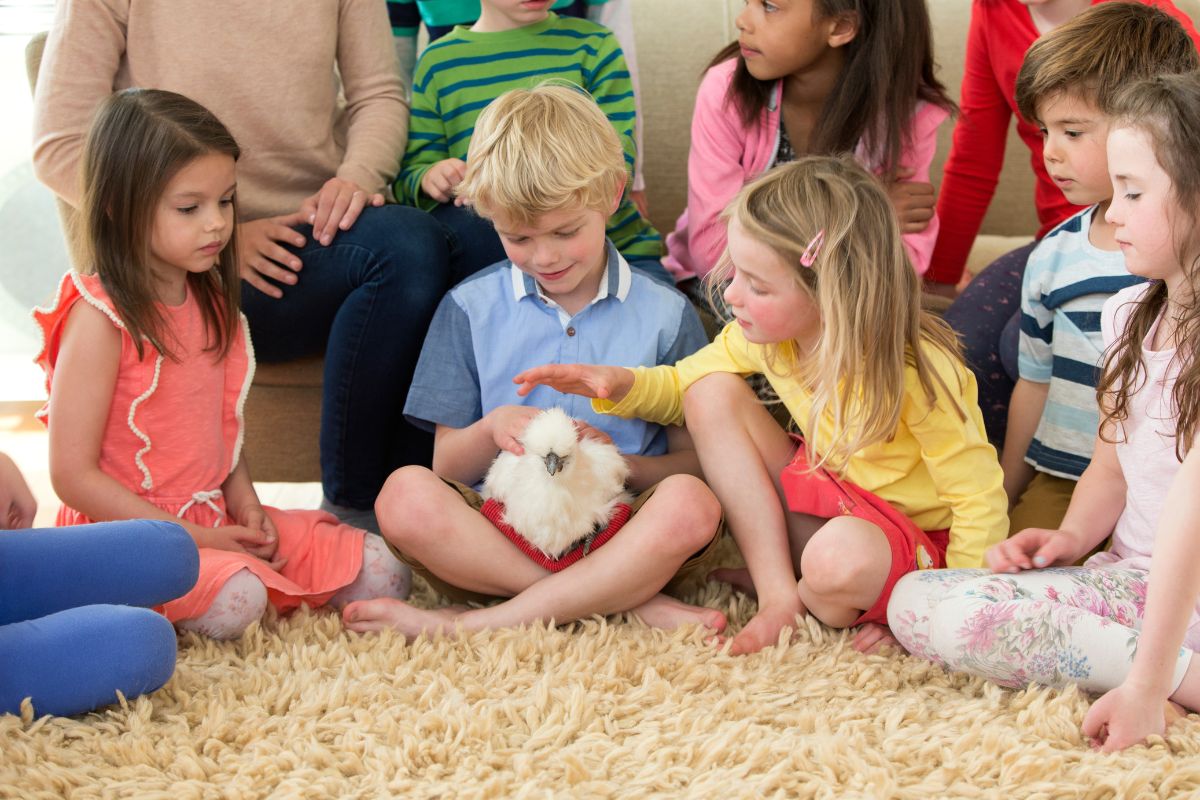 Tips for Maximizing the Benefits of Pet Interaction
1. Supervise Pet Interactions
Always supervise interactions between your child and pet, especially when your child is very young. This ensures the safety of both the child and the pet, as children may not yet fully understand how to handle animals gently or appropriately.
2. Set Healthy Boundaries
Teach your child appropriate boundaries when interacting with pets. This includes respecting the pet's space and learning how to handle them without causing distress. Setting these boundaries will help children understand respect in their interactions with both animals and people.
3. Incorporate Pet Care Into Daily Routines
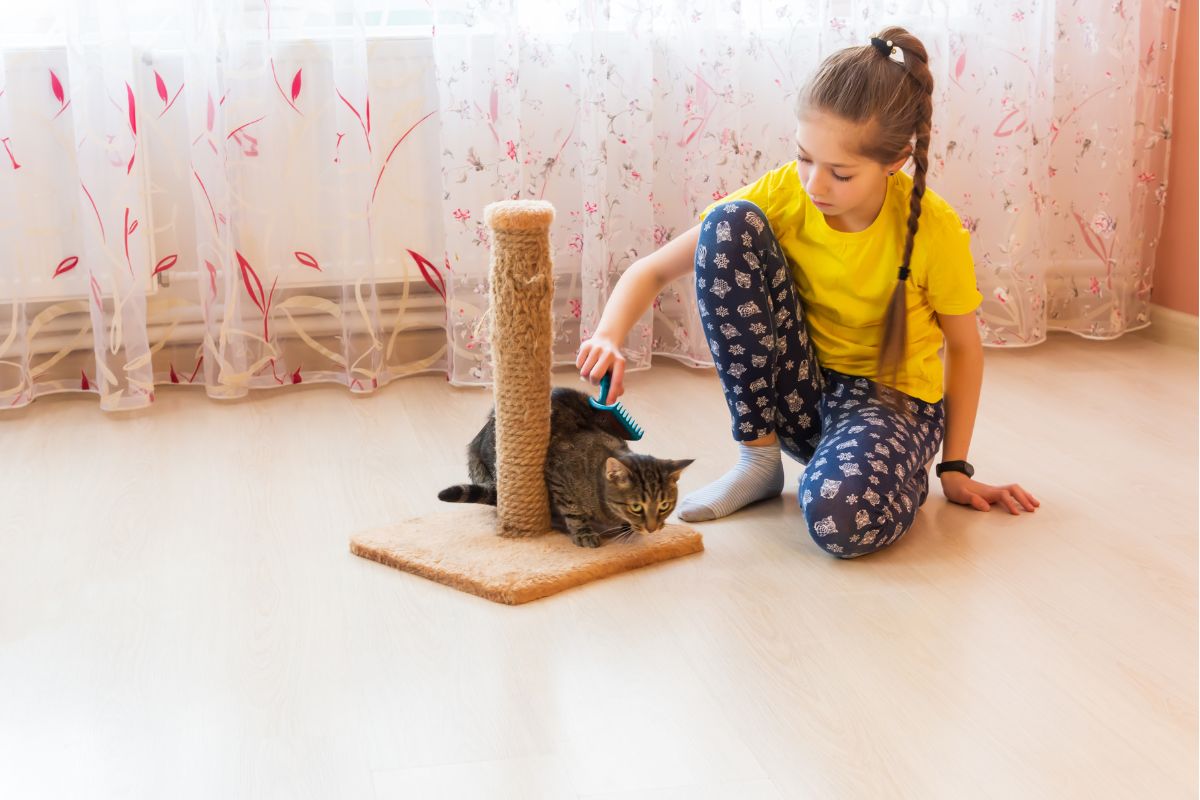 3. Incorporate Pet Care Into Daily Routines
Make pet care a regular part of your child’s daily routine. Assign simple tasks, such as feeding the pet or helping with grooming. This not only reinforces responsibility but also fosters a sense of ownership and accomplishment.
4. Promote Positive Reinforcement
Encourage positive behavior by praising your child when they interact appropriately with the pet. Praise such as “Great job being gentle with the dog!” or “You did a great job taking care of the cat today!” can help reinforce positive behavior and create a strong bond between your child and the pet.
Strengthening Early Childhood Social Skills Through Pet Interaction
Pet interaction plays a vital role in early childhood social development by fostering key skills such as empathy, communication, emotional regulation, and responsibility.
Whether through building friendships, learning to manage emotions, or taking responsibility for pet care, the relationship between children and their pets provides a foundation for positive social interactions throughout their lives.
By nurturing this connection, parents can help their children develop into well-rounded individuals who are compassionate, responsible, and confident in their social interactions.
Did you find this post useful or inspiring? Save THIS PIN to your PARENTING Board on Pinterest! 😊


You may also like