
Designing a Childcare Routine Inspired by Montessori Principles

Creating a childcare routine that supports a child’s natural development can make a world of difference in their growth and happiness. The Montessori approach, developed by Dr. Maria Montessori, emphasizes independence, respect, and hands-on learning.
By designing a childcare routine inspired by these principles, caregivers can foster an environment where children feel empowered, engaged, and confident.
In this article, we’ll explore how to build a Montessori-inspired routine that balances structure and freedom, helping young children thrive.
Understanding Montessori Principles in Childcare
Before diving into routine planning, it’s important to grasp the core Montessori values:
Respect for the child as an individual with unique interests and abilities.
Encouragement of independence and self-direction.
Use of prepared environments with accessible, purposeful materials.
Emphasis on learning through exploration and discovery.
Focus on order, routine, and consistency that supports freedom within limits.
A childcare routine based on these principles aims to create a predictable yet flexible framework where children can flourish.
 Building Blocks of a Montessori-Inspired Childcare Routine
 Building Blocks of a Montessori-Inspired Childcare Routine
Designing an effective routine means balancing the child’s need for security and autonomy. Here are essential components to include:
1. Predictable Yet Flexible Schedule
Children feel secure when they know what to expect, but rigidity can limit exploration. A Montessori-inspired routine offers consistency through regular times for meals, naps, and activities, while allowing freedom within those blocks.
For example, set a general time for learning activities but offer a variety of choices so children can select what interests them most.
2. Time for Independent Exploration
Montessori philosophy values the child’s natural curiosity. Your routine should include periods where children can freely explore age-appropriate materials and tasks independently, helping build concentration and confidence.
Designate safe, accessible spaces where children can move and choose activities without constant adult direction.
3. Purposeful Work and Practical Life Activities
 3. Purposeful Work and Practical Life Activities
Children learn best when they are engaged in meaningful tasks. Include practical life skills like pouring, dressing, or cleaning as part of the daily routine. These activities build motor skills and foster a sense of responsibility.
Incorporating these tasks also connects children to their environment and builds their independence.
4. Quiet Time and Reflection
A Montessori-inspired routine respects the child’s need for rest and calm. Schedule quiet periods for reading, resting, or gentle activities that allow children to recharge and process their experiences.
This balance prevents overstimulation and supports emotional well-being.
5. Outdoor Play and Connection to Nature
Nature is a vital part of Montessori education. Make sure your routine includes outdoor time where children can engage with the environment through sensory play, exploration, and physical activity.
Spending time outdoors nurtures creativity, health, and curiosity.
Sample Daily Routine Based on Montessori Principles
 Sample Daily Routine Based on Montessori Principles
Here’s a simple example of a balanced childcare day incorporating Montessori ideas:
| Time | Activity | Focus |
|---|---|---|
| 8:00 – 8:30 AM | Arrival and Morning Greeting | Establish connection and comfort |
| 8:30 – 9:30 AM | Independent Exploration | Choice of practical life and sensory tasks |
| 9:30 – 10:00 AM | Group Activity or Circle Time | Language, social skills, and music |
| 10:00 – 10:30 AM | Snack Time | Social interaction and nourishment |
| 10:30 – 11:30 AM | Outdoor Play | Gross motor skills and nature connection |
| 11:30 – 12:00 PM | Practical Life Tasks | Self-care and environment care |
| 12:00 – 1:00 PM | Lunch and Clean-Up | Independence and social skills |
| 1:00 – 2:30 PM | Nap or Quiet Time | Rest and emotional balance |
| 2:30 – 3:00 PM | Afternoon Snack | Energy replenishment |
| 3:00 – 4:00 PM | Creative Activities | Art, music, or storytelling |
| 4:00 – 4:30 PM | Free Choice and Departure | Child-led play and wind-down |
This structure provides rhythm and reliability while honoring each child’s pace and preferences.
Tips for Implementing Montessori Principles in Childcare
Here are practical ways to bring Montessori values to life within your childcare routine:
Create a Prepared Environment
Arrange materials on low shelves where children can access them independently. Keep the space orderly and uncluttered, allowing children to focus and take care of their surroundings.
Encourage Child-Led Learning
Observe what interests each child and offer materials that support their curiosity. Allow children to repeat activities as often as they like to master skills at their own speed.
Foster Respectful Communication
Speak to children with kindness and respect. Use clear, simple language and encourage them to express their feelings and choices.
Support Transitions Gently
 Support Transitions Gently
Help children move smoothly between activities with gentle cues and consistent routines. This reduces anxiety and builds trust.
Involve Children in Daily Tasks
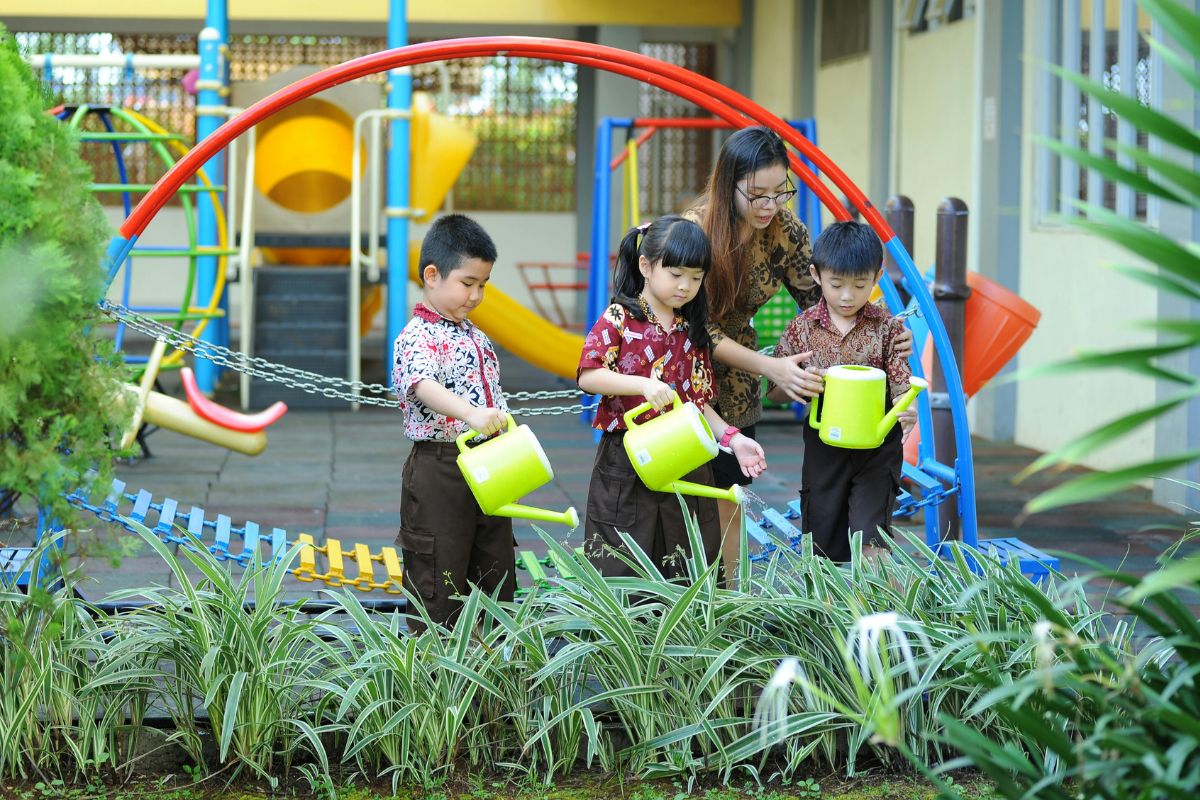
Invite children to participate in setting the table, watering plants, or tidying up. These responsibilities nurture ownership and community awareness.
The Role of Caregivers in a Montessori Routine
Caregivers act as guides and observers rather than directors. Your role is to:
Provide a safe and prepared environment
Offer choices and support independence
Observe and respond to each child’s needs
Model respect, patience, and curiosity
By stepping back and allowing children to lead, you help them build confidence and self-discipline.
Embracing Growth Through a Montessori-Inspired Childcare Routine
 Embracing Growth Through a Montessori-Inspired Childcare Routine
Designing a childcare routine rooted in Montessori principles is about more than just scheduling—it’s about creating a nurturing environment where children feel valued, capable, and free to explore.
When routines balance structure with choice, they empower young learners to develop independence and joy in discovery.
By thoughtfully preparing your space, honoring each child’s rhythm, and encouraging meaningful work, you lay the foundation for lifelong learning and respect.
Did you find this post useful or inspiring? Save THIS PIN to your PARENTING Board on Pinterest! 😊

You may also like