
Exploring Multicultural Toys and Their Influence on Child Development
Toddler tantrums are a universal part of parenting, and as any parent knows, they can be both frustrating and challenging to navigate.
While there are various ways to manage these emotional outbursts, one often overlooked factor that can play a crucial role in child development is the type of toys children are exposed to.
In this article, we’ll explore how multicultural toys influence a toddler’s development, including their emotional, cognitive, and social growth, and how these toys might help reduce tantrums by promoting emotional intelligence and understanding of diversity.
What Are Multicultural Toys?
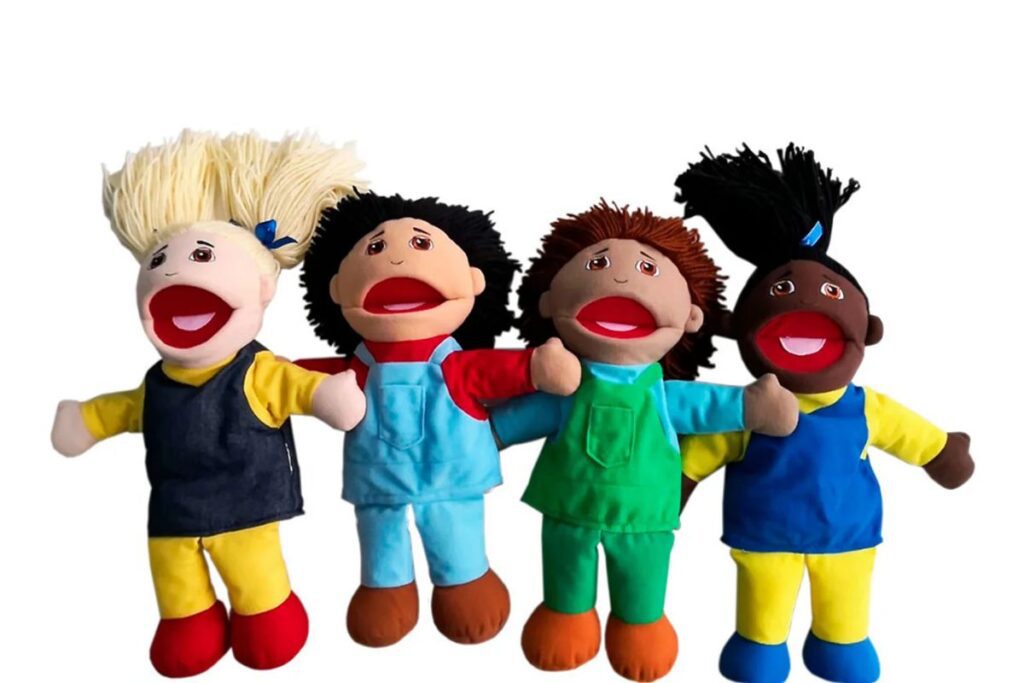
Multicultural toys are toys that reflect various cultures, traditions, and languages from around the world. These toys might include dolls, books, puzzles, and games that represent people of different races, ethnicities, and backgrounds.
By integrating multicultural toys into a child’s playtime, parents provide an opportunity for toddlers to learn about and appreciate the diversity of the world around them.
These toys are designed to celebrate cultural differences while also promoting inclusivity and empathy. Rather than seeing diversity as something foreign or separate, multicultural toys help children view it as a natural part of the world they live in.
This early exposure can encourage a more open, accepting mindset, which can influence a child’s emotional development and reduce frustration or anxiety, feelings often at the root of tantrums.
 How Multicultural Toys Influence Emotional Development
 How Multicultural Toys Influence Emotional Development
Promoting Emotional Intelligence
Emotional intelligence (EI) is the ability to recognize, understand, and manage one’s emotions and the emotions of others. It is a key factor in social interactions and conflict resolution, skills that are essential for navigating the world.
Research suggests that children with higher EI tend to have better relationships, less frustration, and fewer tantrums.
Multicultural toys can help develop emotional intelligence by introducing toddlers to a variety of emotional expressions across cultures.
For example, dolls or stuffed animals that feature characters from different ethnic backgrounds can demonstrate different emotional responses in various situations.
These toys can also teach toddlers to recognize feelings such as joy, anger, sadness, or fear in people from different cultural contexts, giving them tools to better understand their own emotions and the emotions of others.
By playing with multicultural toys, toddlers might learn to better regulate their feelings and express themselves in a way that leads to fewer outbursts.
This exposure helps toddlers understand that emotions are universal, regardless of a person’s background, which can be especially comforting during stressful situations.
Reducing Frustration through Understanding
One common cause of toddler tantrums is frustration. When toddlers are unable to express themselves or understand the causes of their emotions, they can become overwhelmed and act out.
Multicultural toys can be beneficial in this regard, as they offer opportunities for learning and emotional expression. For example, storytelling toys that feature characters from various cultures can give toddlers new ways of understanding how others cope with challenges.
Learning that people from different cultures have similar experiences can reduce the fear and anxiety that can often trigger tantrums.
Cognitive and Social Benefits of Multicultural Toys
 Cognitive and Social Benefits of Multicultural Toys
Broadening Cognitive Skills
Cognitive development refers to how children learn, process, and understand the world around them. Multicultural toys help toddlers expand their worldview by introducing them to new concepts, languages, and traditions.
For example, toys that feature multiple languages or songs from different cultures can enhance language development by exposing toddlers to new sounds and vocabulary.
This early exposure can also foster cognitive flexibility, the ability to understand that there are multiple ways to approach a problem or situation.
Interactive toys that encourage problem-solving, such as puzzles or games from different cultures, can also boost cognitive skills. These toys often require critical thinking and patience, helping toddlers build their ability to focus, persevere, and think creatively.
Engaging with multicultural toys that incorporate cultural narratives or problem-solving elements can be a great way to channel a toddler’s energy and curiosity in positive ways, which can reduce frustration and minimize the likelihood of tantrums.
 Building Social Skills through Diversity
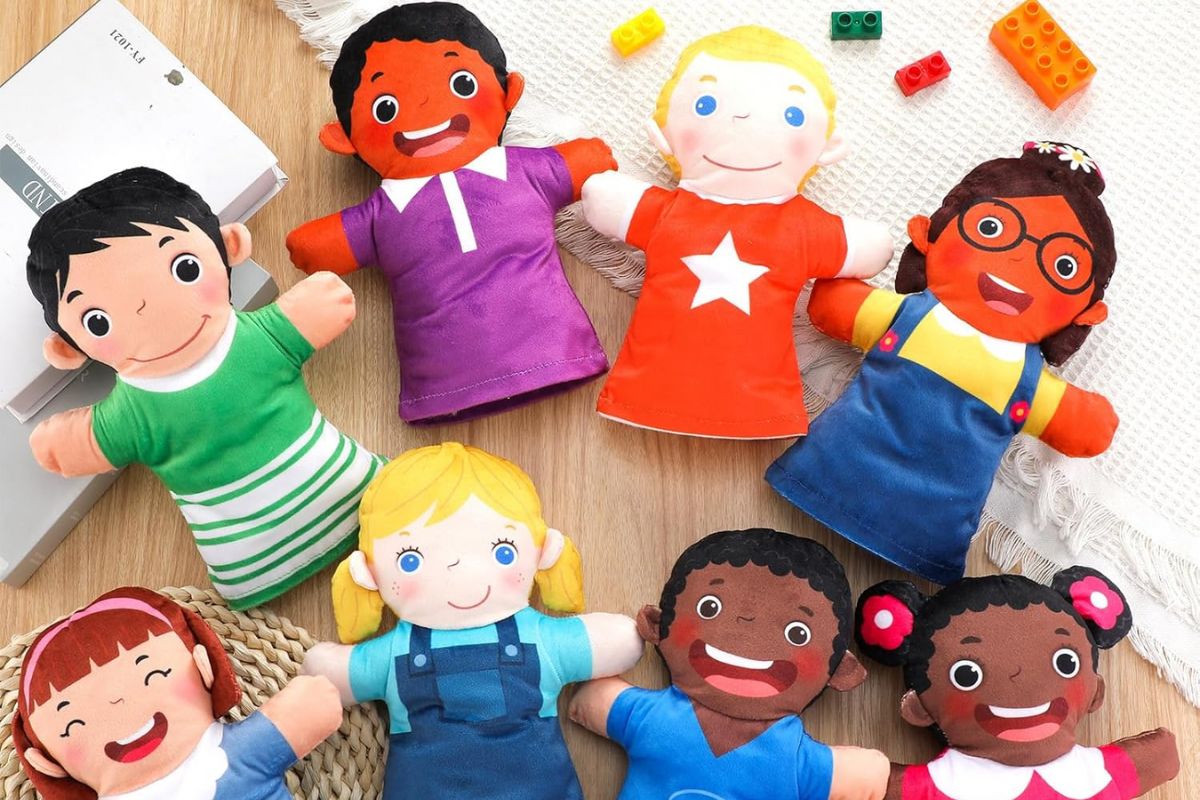
Social development in toddlers is influenced by how they interact with the people and world around them. Multicultural toys, particularly dolls or figurines, encourage social play and help children understand how to relate to others.
When toddlers engage in role-playing with toys that represent different races, genders, or cultural backgrounds, they learn important lessons about respect, empathy, and cooperation.
For instance, playing with a doll set that includes characters from various parts of the world teaches toddlers to appreciate differences in appearance, tradition, and background.
These toys also foster inclusive play, as toddlers begin to recognize that everyone, regardless of where they come from, deserves kindness and respect.
By internalizing these values through play, toddlers are less likely to express frustration toward people who are different from them, which in turn helps reduce tantrums during social interactions.
Multicultural Toys and Their Role in Tantrum Prevention
Encouraging Empathy and Understanding
One of the most powerful ways that multicultural toys can prevent tantrums is by teaching toddlers empathy. Understanding others’ perspectives can help children deal with their own frustrations more effectively.
For example, if a toddler has a tantrum because they cannot have something they want, a multicultural toy might help them see that other people have similar struggles and feelings.
Through play, they can learn that emotions such as disappointment or anger are part of the human experience and that it’s okay to feel these emotions. However, the key is learning how to express them in a healthy way, something that multicultural toys can help teach.
Fostering Patience and Conflict Resolution Skills
 Fostering Patience and Conflict Resolution Skills
Some multicultural toys are designed to encourage conflict resolution skills. Toys like board games, role-playing kits, or cooperative puzzles are ideal for teaching toddlers to navigate disagreements, share, and take turns.
These skills are important for reducing tantrums, as they help children understand that not everything goes their way all the time.
Through play, toddlers can learn that conflicts can be resolved peacefully, which gives them the emotional tools to manage frustration and avoid temper tantrums.
Cultivating Emotional Resilience Through Multicultural Play
Multicultural toys are not just a fun addition to a child’s playtime; they play a crucial role in shaping a toddler’s emotional, cognitive, and social development.
By promoting empathy, cognitive flexibility, and conflict resolution skills, multicultural toys can help toddlers better understand their emotions and those of others, leading to fewer tantrums and better self-regulation.
As toddlers interact with toys that celebrate diversity, they gain a greater understanding of the world around them and learn to appreciate differences rather than fear them.
In the end, these toys are not only tools for learning but also for fostering emotional resilience and understanding, essential qualities for a harmonious future.
Did you find this post useful or inspiring? Save THIS PIN to your PARENTING Board on Pinterest! 😊

You may also like