
Exploring the Benefits of Parent-Child Journaling

Parent-child journaling is an activity that can strengthen the bond between parents and their children while encouraging self-expression, emotional growth, and communication.
This shared experience not only allows both parties to learn more about each other but also provides a safe space for children to explore their thoughts and feelings.
In this article, we will dive into the many benefits of parent-child journaling, offering insights on how it can enhance emotional connection and create lasting memories.
What is Parent-Child Journaling?
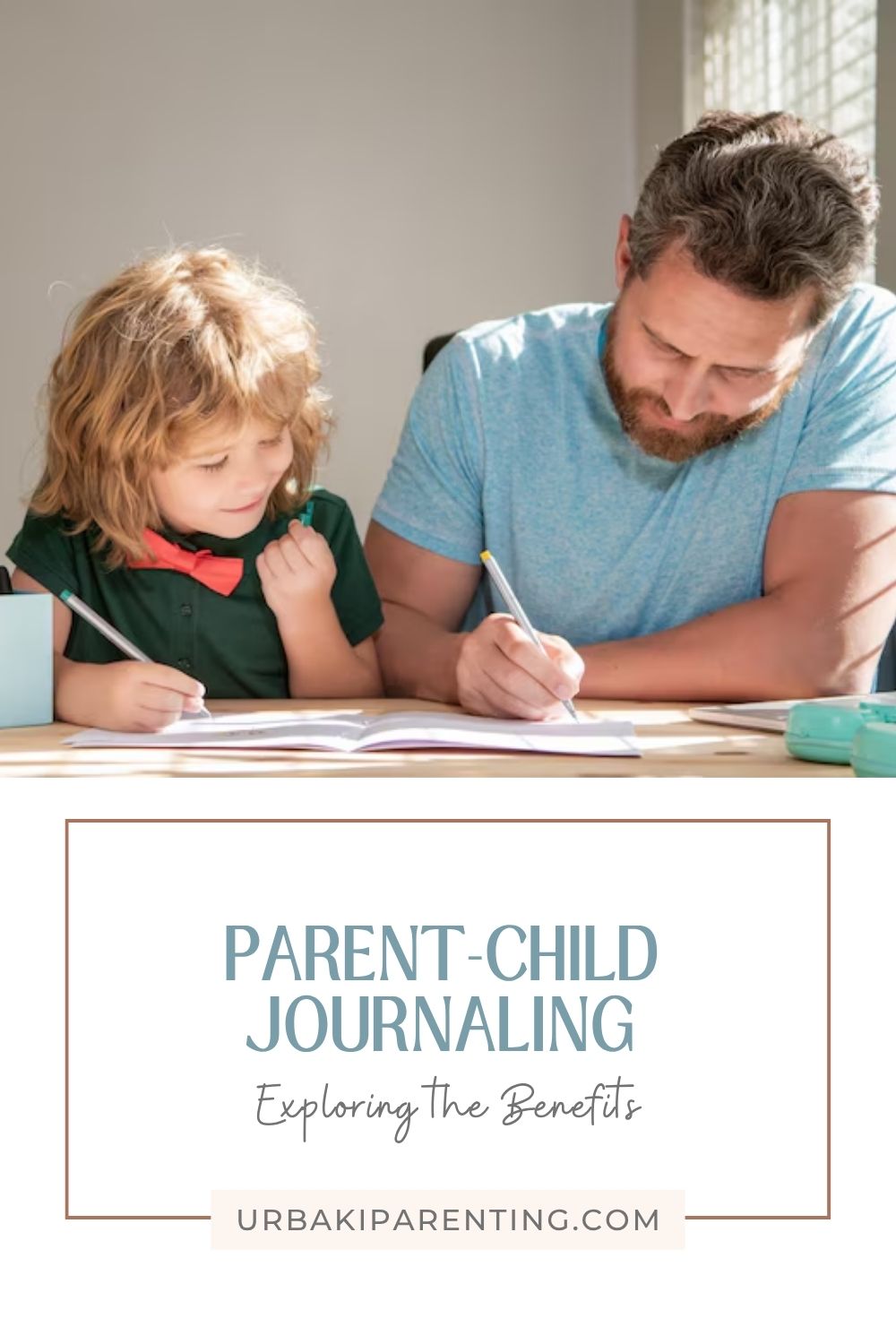
Parent-child journaling is a practice where both parent and child write or draw in a shared journal. It allows for mutual participation in the creative process, where each person contributes to the journal in their own unique way.
Parents may write letters to their child, ask questions, or share their day’s experiences, while children can respond in writing, drawing, or even stickers. This exchange fosters a deeper connection, allowing both parents and children to communicate more openly.
 A Safe Space for Open Communication
 A Safe Space for Open Communication
Journaling can serve as a bridge for communication between parents and children, especially when words may fail. Many children, especially those in their early years, find it difficult to articulate complex feelings or express emotions directly.
Parent-child journaling provides an opportunity to share thoughts and concerns without the pressure of a face-to-face conversation. This safe space allows children to explore and understand their emotions at their own pace.
Strengthening the Parent-Child Bond
One of the most significant benefits of parent-child journaling is the deepening of the parent-child relationship. By sharing a journal, parents and children create a meaningful activity they can do together.
This not only builds trust but also offers an opportunity to reflect on each other’s perspectives. Through regular journaling, parents and children can share personal thoughts, affirm each other’s feelings, and offer support in a way that is both loving and constructive.
Encouraging Emotional Awareness and Expression
Journaling allows children to explore their emotions in a constructive way. As they write or draw, children may begin to recognize patterns in their feelings, helping them better understand their emotional world.
For example, if a child frequently writes about feeling frustrated, it may indicate underlying emotions or stress that can be addressed through conversation. Encouraging this type of reflection nurtures emotional intelligence, which is essential for healthy emotional development.
Enhancing Creativity and Self-Expression
 Enhancing Creativity and Self-Expression
Parent-child journaling is also a fantastic way to spark creativity in children. Writing and drawing provide outlets for self-expression, which is crucial for building a child's self-esteem and confidence.
Whether it's creating stories, sketching their favorite animals, or writing about their dreams, journaling gives children the freedom to express themselves without judgment.
Writing Prompts and Creative Exercises
Incorporating creative exercises or writing prompts into the journaling experience can help children engage more deeply with their feelings and imagination. Parents can ask open-ended questions such as:
“What made you happy today?”
“If you could go anywhere in the world, where would you go?”
“What is something you want to learn more about?”
These prompts inspire children to think creatively, express themselves freely, and engage in problem-solving and storytelling. They also offer parents insight into their child’s thoughts, fostering better understanding and communication.
Fostering Positive Behavior and Problem-Solving Skills
 Fostering Positive Behavior and Problem-Solving Skills
Journaling can play a key role in teaching children important life skills such as problem-solving and resilience. When children face challenges, writing about them can help them process their emotions and find solutions.
For example, if a child writes about a disagreement with a friend, the parent can help the child reflect on how they felt and explore ways to resolve the issue. This process encourages critical thinking and promotes healthy coping strategies.
Building Confidence Through Reflection
By revisiting past journal entries, children can see how they’ve grown and how their feelings have evolved. This process of reflection boosts self-awareness and fosters a sense of accomplishment.
It also encourages children to approach challenges with a positive attitude, knowing that they have the tools to overcome obstacles.
Creating Lasting Memories
Parent-child journals are more than just a tool for emotional expression; they are also keepsakes that capture the special moments and milestones in a child's life.
Years down the road, both parents and children will look back on the journal with fondness, remembering their thoughts, dreams, and experiences. This shared memory bank can serve as a reminder of their bond and the time they spent together.
A Personalized Gift
 A Personalized Gift
Parent-child journals can also serve as a wonderful gift, particularly for significant life events such as birthdays, anniversaries, or graduations.
Giving a completed journal filled with shared memories, reflections, and experiences is a deeply personal gesture that strengthens the relationship between parent and child. It also offers a unique way to cherish moments that might otherwise be forgotten.
Practical Tips for Getting Started with Parent-Child Journaling
If you’re interested in starting a parent-child journal, here are a few tips to help you get started:
1. Keep It Simple
You don’t need to write long entries every day. Even short notes, a few lines, or a quick drawing can have a significant impact. The goal is consistency and meaningful exchanges, not perfection.
2. Be Encouraging and Supportive
Make the journaling process fun and positive. Encourage your child to share without fear of judgment. Celebrate their creativity and validate their feelings by acknowledging their contributions.
3. Incorporate Fun Activities
Mix up the journaling routine with activities like drawing, sticker art, or making collages. This keeps the experience engaging and fun for both parents and children.
4. Use Prompts to Guide the Conversation
 4. Use Prompts to Guide the Conversation
If your child is unsure about what to write, offer prompts or ask questions that encourage them to reflect on their day or their feelings. For younger children, allow them to draw pictures instead of writing words.
5. Make It a Routine
Set aside a regular time for journaling, whether it’s before bedtime, during quiet time in the afternoon, or after school. Consistency helps children look forward to the activity and establishes a sense of security around it.
The Lasting Value of Parent-Child Journaling
Parent-child journaling is an enriching experience that nurtures communication, emotional growth, and creativity. As a shared activity, it strengthens the parent-child bond, offering a space for both parties to express themselves freely and thoughtfully.
Over time, this practice not only helps children develop important emotional and social skills but also creates lasting memories that can be cherished for years to come.
By investing in this simple yet profound activity, parents can foster a deep, lasting connection with their children, helping them navigate the challenges of childhood and beyond.
Did you find this post useful or inspiring? Save THIS PIN to your PARENTING Board on Pinterest! 😊

You may also like