
Holiday Routines for Toddlers: 12 Simple Tips for a Calmer Season

December is full of good things for little kids: lights, cookies, family visits and new toys. It is also full of late nights, skipped naps and rooms packed with people. For a toddler, that mix can quickly turn fun into meltdowns. The good news is that you do not need a perfect schedule to get through the season. A few steady habits are enough to help your child feel safe and keep the whole family a bit calmer.
Here are 12 simple tips to keep toddler routines on track during the holidays, from planning the week to getting back to normal in January.

Why Routines Matter Even More in December
Toddlers do not tell time, but they know what comes next. Breakfast, play, lunch, nap, bath, book, bed. When those steps happen in roughly the same order every day, your child feels in control. When the order falls apart, many toddlers get clingy, cranky or wild, and they cannot explain why.
The American Academy of Pediatrics suggests sticking to your child's usual sleep and mealtime schedules as much as you can during the holidays, because keeping household routines helps ward off tantrums. You can read their full list of tips in 12 Tips to Keep Families Joyful this Season on HealthyChildren.org. If you want a refresher on why predictable days help kids so much, see our guide to the benefits of a consistent routine for kids.

Pick Your Routine Anchors
1. Choose three or four things that never move
You cannot protect every part of the day in December, so pick a few anchors and let the rest be flexible. For most families these are:
- Wake-up time within about 30 minutes of normal
- Meals and snacks at roughly the usual times
- The nap, even if it happens in the stroller or car
- The bedtime steps (bath, pajamas, teeth, book, song), even when bedtime itself is later
When these stay the same, a busy afternoon or a late party feels much less disruptive to your child.
2. Keep the bedtime steps, even on late nights
On party nights, bedtime may slide later. That is fine now and then. What helps most is keeping the same short sequence, in the same order, wherever you are. The same pajamas, the same book and the same song tell your toddler that sleep is coming, even in a grandparent's spare room. Our post on making the bedtime routine a relaxing experience has more ideas for wind-down time.
3. Do not skip snacks
Holiday meals often run late, and hungry toddlers melt down fast. Keep a simple snack ready (fruit, crackers, cheese cubes) and offer it at the usual snack time, even if dinner is "almost ready."
Plan the Week Before It Fills Up
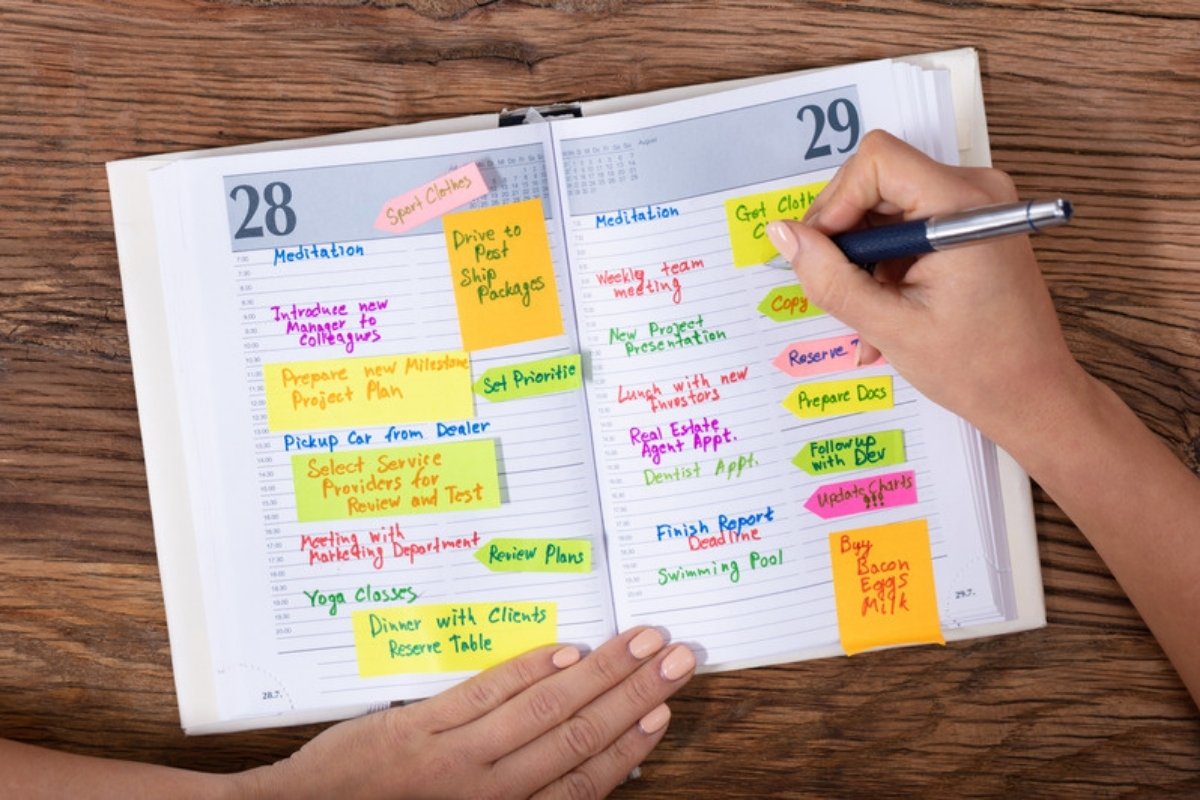
4. Put everything on one family calendar
Write down every party, school event, trip and visit in one place. Seeing the whole week makes it easy to spot the days that are too full before you agree to more.
5. Limit big outings to one per day
A toddler can handle one big event a day, like a holiday market in the morning or a family dinner in the evening. Two or three in a row is where most meltdowns start. If two events fall on the same day, choose one or plan to stay only a short time at each.
6. Plan quiet days on purpose
After a busy day, plan a slow one at home: pajamas, blocks, a short walk, an easy dinner. Quiet days are not wasted days. They are how little kids recharge. Our list of cozy winter activities for toddlers at home has easy ideas for these calm days.
Here is an example of a flexible holiday day that still keeps the anchors in place:
| Time | What happens | Why it helps |
|---|---|---|
| 7:00 | Wake up, breakfast | Normal start to the day |
| 9:30 | Holiday outing (market, lights, visit) | Big fun while your child is fresh |
| 11:30 | Lunch at home or packed lunch | Keeps hunger in check |
| 12:30 | Nap, even if short | Protects the afternoon |
| 15:00 | Snack and quiet play | Time to recharge |
| 17:30 | Dinner | Usual time, simple food |
| 18:30 | Bath, book, song, bed | Same steps as always |

Make Visits and Parties Easier
7. Pack a small "routine bag"
When you spend the day at someone else's home, bring the things that make your child's routine feel familiar:
- A favorite blanket or soft toy
- Two or three bedtime books
- Pajamas and a toothbrush
- Familiar snacks and a water cup
- A few quiet toys like stickers, board books or small cars
8. Find a quiet corner
Crowded rooms, loud music and lots of hugs can be too much for a toddler. When you arrive, ask the host if there is a calm room you can use. A few minutes away from the noise, reading a book together, can stop a meltdown before it starts.
9. Prepare your child for what is coming
Toddlers handle new places better when they know what to expect. On the way, talk through the plan in simple words: "We are going to Grandma's house. There will be lots of people. We will eat dinner, open one present and then go home for bath and bed." Short and concrete works best.
Keep Routines Going When You Travel
10. Travel around naps when you can
If you are driving to see family, try to leave just before nap time so your toddler can sleep in the car. For longer trips, plan stops at about the times your child usually eats and plays. Once you arrive, set up a sleep space that feels as close to home as possible, with the same blanket, the same books and the same bedtime steps. For more ideas, read our toddler travel tips.

Help Your Toddler Handle Big Feelings
11. Expect some meltdowns and stay calm
Even with good planning, there will be tears. New toys, new faces and late nights are a lot for a small child. When a meltdown happens, move to a quiet spot, get down to your child's level and keep your voice low. Name the feeling ("You are tired and it is very loud") and wait. Our guide on how to handle toddler tantrums has more calm-down ideas.
It also helps to keep your own expectations realistic. Your toddler does not need to sit through a three-hour dinner or say thank you for every gift. A short, happy visit is better than a long, stressful one.
Get Back to Normal After the Holidays
12. Ease back into your usual days
Plan two or three calm days before daycare, preschool or work starts again. Move wake-up and bedtime back toward normal by about 15 minutes a day if they drifted later. Put away some of the new toys for a few weeks so the playroom feels less busy, and bring back your usual meals and outings. Most toddlers settle back into their rhythm within a few days.
Frequently Asked Questions
Is it okay to let my toddler stay up late on Christmas Eve or New Year's Eve?
One or two late nights are usually fine for most toddlers, especially if you keep the same bedtime steps and plan a quiet day afterward. If your child is very sensitive to schedule changes, you can celebrate earlier in the evening instead. If you have questions about your child's sleep, talk to your pediatrician.
What if my toddler will not nap at a relative's house?
Try a quiet rest in a dark room with a favorite blanket and a book, even if your child does not fall asleep. A car ride or a stroller walk can also help. If the nap is skipped, plan an earlier bedtime that night.
How do I handle relatives who want to change the routine?
Most relatives mean well. Share the plan in a friendly way before the visit ("She naps at 1:00, so we will head to the bedroom then") and focus on the one or two things that matter most to you. You do not need to defend every choice.
You Might Also Like
- 25 Advent Calendar Activities for Kids: Simple Daily Ideas for December
- 20 Cozy Winter Activities for Toddlers at Home
- The Benefits of a Consistent Routine for Kids
The holidays do not have to be perfect to be happy. Keep a few anchors steady, leave room for rest and enjoy the small moments with your little one this season.


You may also like