
How to Baby-Proof Your Home: Essential Tips and Tricks
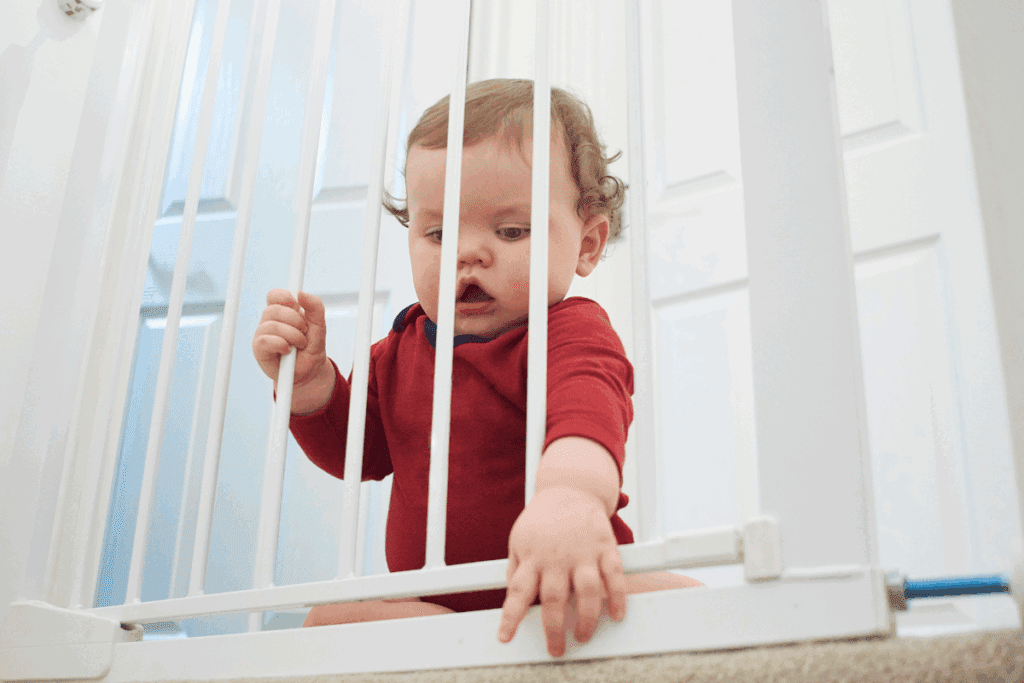
As a parent, one of the first steps to ensuring your baby’s safety is to baby-proof your home. Babies are naturally curious, and once they start crawling and exploring, they can quickly get into things that could potentially harm them.
Baby-proofing your home not only keeps your little one safe but also gives you peace of mind knowing your environment is secure.
In this article, we’ll share essential tips and tricks for baby-proofing your home so you can create a safe, welcoming space for your child to explore.
Why Baby-Proofing is Important
Baby-proofing is crucial because babies and toddlers are at the stage where they are constantly discovering the world around them.
They are eager to touch, taste, and explore everything in sight, but they often don’t understand the dangers that certain objects or situations present. Baby-proofing helps reduce the risk of accidents and injuries and allows your baby to explore safely while still learning.
 Start with the Basics: Key Areas to Focus On
 Start with the Basics: Key Areas to Focus On
Secure Furniture and Heavy Objects
As soon as your baby starts to crawl and pull up, they’ll likely reach for furniture and heavy objects. Top-heavy furniture, such as bookshelves, dressers, and TVs, can easily tip over and cause serious injury if not properly secured.
Use anti-tip straps to anchor furniture to the wall, and make sure items like lamps, picture frames, and vases are out of reach.
Avoid Sharp Edges
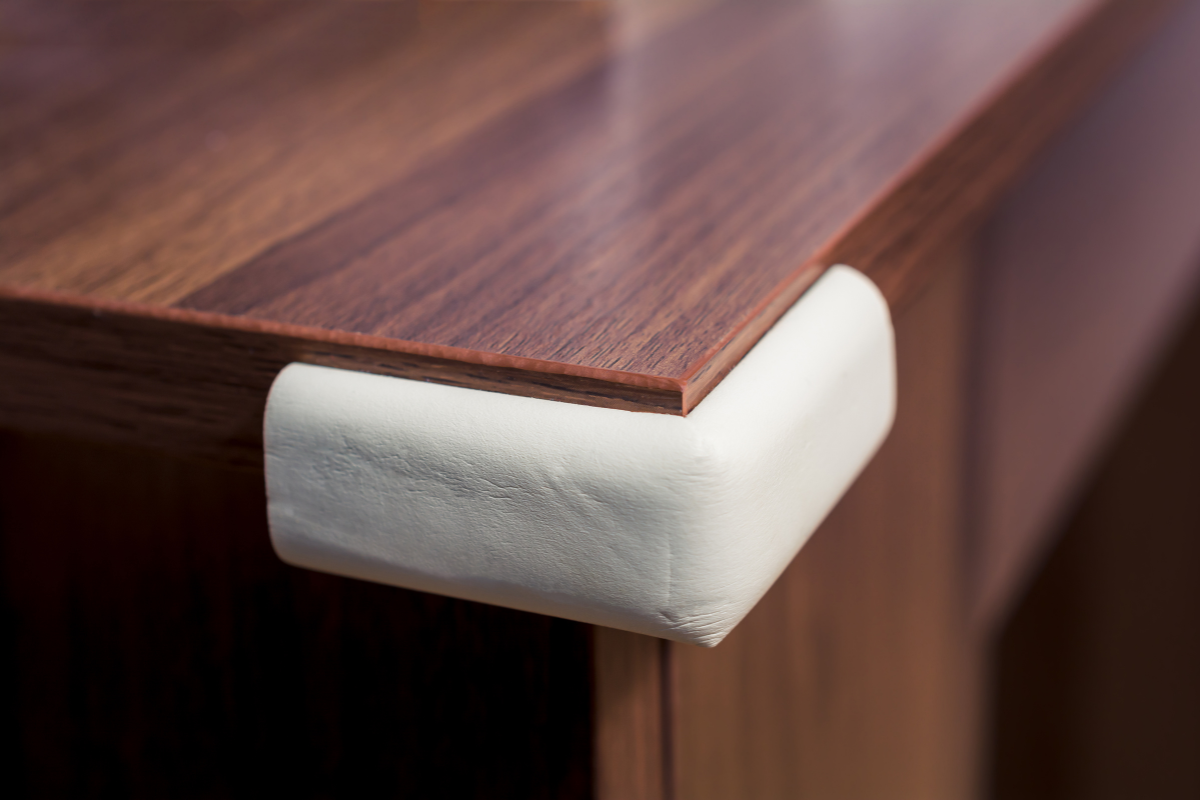
Furniture with sharp corners can be dangerous, especially as babies begin to explore and move around. Consider using corner protectors or foam padding on tables, countertops, and any other sharp edges.
These soft materials will cushion your baby from accidental bumps and falls.
Creating a Safe Environment in Every Room
Kitchen Safety
The kitchen is one of the most dangerous areas of the home for a baby. Hot surfaces, sharp utensils, and chemicals can pose serious risks. Here are some essential tips to keep your kitchen safe:
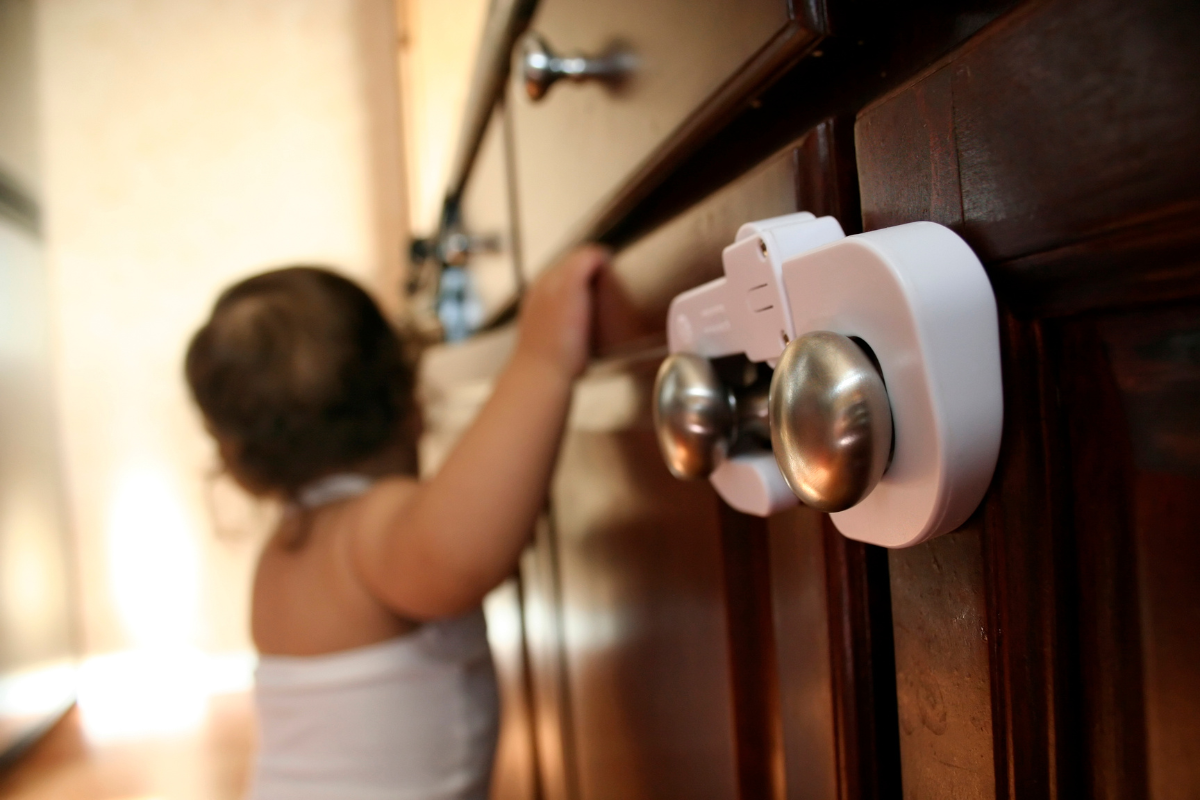
Use childproof locks on cabinets and drawers to keep sharp knives, cleaning supplies, and other hazardous items out of reach.
Install stove knob covers to prevent your baby from turning the stove on.
Use corner guards on the sharp edges of countertops, and ensure hot pots and pans are always placed in the back of the stove.
Secure Electrical Outlets
Electrical outlets are another potential danger for babies. Install outlet covers or outlet plates to prevent your baby from sticking fingers or objects into them. Additionally, keep electrical cords, toasters, and other appliances out of your baby’s reach.
Hide Toxic Substances
Household cleaners, chemicals, and even certain foods should always be stored safely. Use childproof locks or high cabinets to store anything toxic, including cleaning products, medications, and even some foods like nuts or chocolate that might pose a choking hazard.
Bathroom Safety
 Bathroom Safety
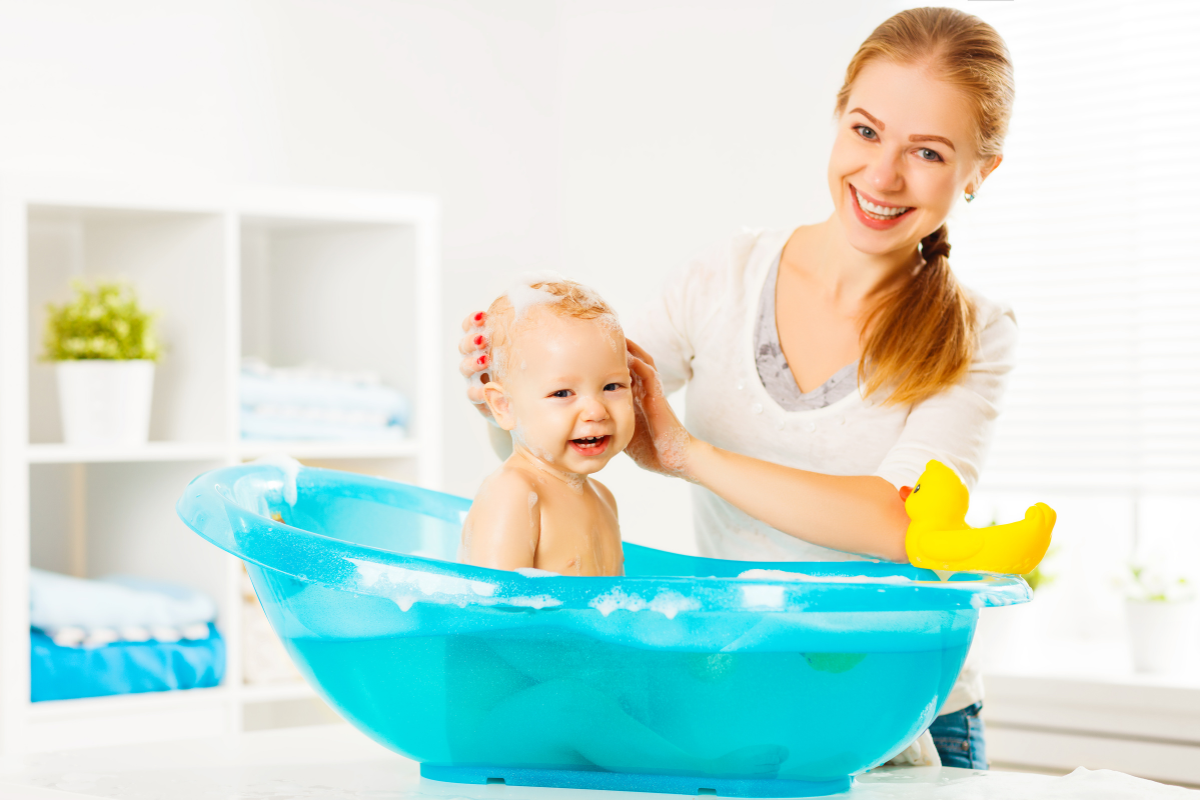
The bathroom can be a tricky area for baby-proofing, as it contains many slippery surfaces and potentially dangerous objects like razors and cleaning products. Here’s how to secure the bathroom:
Use non-slip bath mats to prevent slips and falls in the tub or shower.
Toilet locks are essential to keep babies from falling into the toilet or playing with the water.
Store razors, medications, and cleaners in high cabinets or locked drawers to avoid accidental access.
Temperature Control
Adjust the water heater temperature to no higher than 120°F (49°C) to prevent burns. Babies and toddlers have sensitive skin, and even a small amount of hot water can cause severe burns. Use an anti-scald faucet cover in the bathtub to prevent sudden temperature changes.
Baby-Proofing the Living Room and Play Areas
 Baby-Proofing the Living Room and Play Areas
Create a Baby-Proofed Play Area
When setting up a play area for your baby, make sure it’s free of hazards. Use a playpen or baby gates to create a safe space where your baby can play freely without getting into trouble. Ensure that toys are age-appropriate, and avoid small objects that could pose a choking risk.
Keep Cords and Small Items Out of Reach
Cords from blinds, electronics, and lamps can be a major hazard for babies. Keep these items securely tucked away or use cordless blinds to eliminate the risk of strangulation. Similarly, small objects like coins, buttons, or beads should be stored out of your baby’s reach to prevent choking.
Protecting Your Baby in the Bedroom
 Protecting Your Baby in the Bedroom
Crib Safety
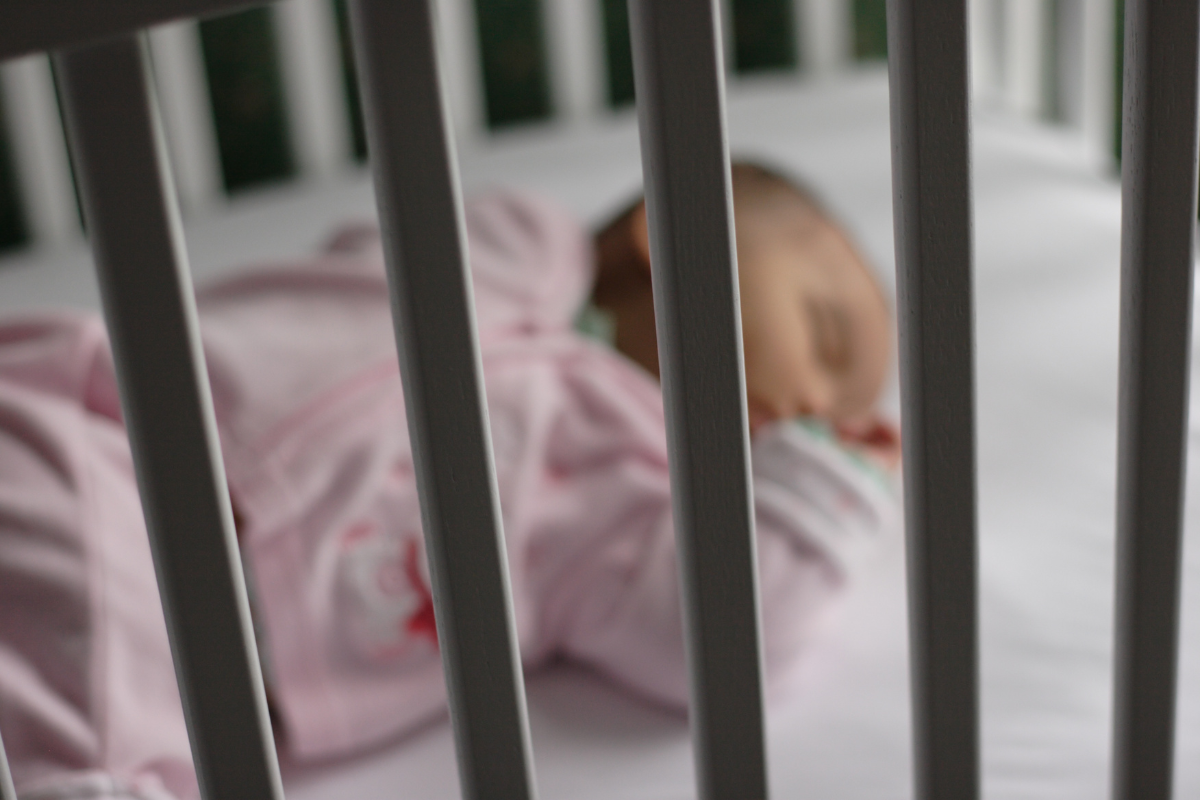
The crib is where your baby will spend a lot of their time, so ensuring it’s safe is essential. Here are some tips to keep your baby’s crib safe:
Use a firm mattress and avoid overly soft bedding, which could pose a suffocation risk.
Keep crib bumpers, pillows, and blankets out of the crib. Instead, use a sleep sack to keep your baby warm.
Ensure that the crib bars are no more than 2 3/8 inches apart to prevent your baby from getting their head stuck.
Monitor Sleeping Positions
Once your baby can roll over, avoid placing them on their stomach to sleep. Always place your baby on their back to sleep to reduce the risk of Sudden Infant Death Syndrome (SIDS). You can also use a baby monitor to keep an eye on your little one while they sleep safely.
Baby-Proofing Outdoors
Yard and Garden Safety
The outdoors can be a wonderful place for your baby to explore, but there are also hazards to be aware of. If you have a garden or yard, consider these tips:
Use baby gates to keep your child away from dangerous areas like the pool, driveway, or garden tools.
Check for any poisonous plants in the garden and ensure they’re out of reach.
Make sure all outdoor furniture is stable and free of sharp edges, and avoid leaving items like grills or lawnmowers unattended.
Final Thoughts: Staying Vigilant
 Final Thoughts: Staying Vigilant
While baby-proofing is crucial for keeping your home safe, it’s also important to stay vigilant and continue observing your child as they grow. Babies change quickly, and new risks can arise as they develop new skills like standing, walking, and climbing.
Regularly reassess your home and make adjustments as needed to ensure your baby’s safety. By staying proactive and using the tips shared in this article, you’ll create a safe and nurturing environment for your child to explore and thrive in.
In the end, baby-proofing your home is about more than just preventing accidents—it’s about providing a space where your baby can grow, learn, and discover the world around them with confidence and safety.
Did you find this post useful or inspiring? Save THIS PIN to your PARENTING Board on Pinterest! 😊

You may also like