
How to Create a Birth Plan: A Step-by-Step Guide for Expecting Parents

Creating a birth plan is an exciting and empowering step for expecting parents. It’s a way to express your preferences and communicate your desires for the birth experience, helping to ensure that your needs and wishes are understood by your healthcare team.
While things may not go exactly as planned (as birth can be unpredictable), a birth plan can still be a valuable tool for preparing yourself and your partner for labor and delivery.
In this guide, we’ll walk you through the step-by-step process of creating a birth plan that is clear, comprehensive, and personal.
What is a Birth Plan?
A birth plan is a document that outlines your preferences for labor and delivery, as well as the early postpartum period.
It serves as a guide for your healthcare providers, helping them understand your choices and priorities regarding pain management, support during labor, and other important aspects of childbirth.
The goal is to feel informed, confident, and empowered as you approach the birth of your baby.
 Why Should You Create a Birth Plan?
 Why Should You Create a Birth Plan?
Creating a birth plan is not about dictating every detail of your labor and delivery, but rather about communicating your wishes in a way that is clear and respectful of both your preferences and medical considerations. The benefits include:
Clarity: It helps you and your partner understand what to expect.
Support: It allows your birth team to be aligned with your preferences.
Informed Decision-Making: You can make choices about your care that are in line with your values and preferences.
Peace of Mind: Knowing you have thought about your birth experience in advance can reduce anxiety and stress.
Consider Your Birth Preferences
Before you begin drafting your birth plan, take some time to reflect on your preferences. What are your top priorities for the birth experience? What do you envision for your labor, delivery, and immediate postpartum care? Consider discussing these questions with your partner and your healthcare provider.
Key areas to reflect on include:
Labor Support
Who do you want with you during labor? Do you want your partner, a doula, family, or friends present? Some people prefer a quiet, intimate environment, while others feel more comfortable with a larger support team.
Would you like specific support, such as encouragement or massage? How do you envision the role of your birth team in providing physical and emotional comfort?
Pain Management
 Pain Management
Think about your preferences for pain relief during labor.
Would you like to try natural pain management techniques like breathing exercises, massage, or hydrotherapy (water birth or shower)? Alternatively, would you like options for epidural anesthesia, medication, or other forms of medical pain relief?
Outline Your Labor and Delivery Preferences
Once you’ve thought about the support and pain management options, consider other aspects of your labor and delivery, such as:
Environment and Atmosphere
Lighting: Would you prefer dim lights or brighter lighting in the room?
Music: Would you like to bring a playlist to help set the mood?
Noise: Do you want a quiet, peaceful environment or some background noise to distract from the intensity of labor?
These preferences can help create an environment that feels calm and controlled, so you can focus on the process of labor.
Positioning During Labor
Consider the types of positions you may want to use during labor. Some common options include:
Standing or walking to help move the baby down the birth canal.
Birthing ball or side-lying positions to increase comfort.
Squatting or hands and knees for more effective pushing.
Discuss these with your healthcare provider, as certain positions may be easier or safer depending on your specific situation.
Monitoring and Interventions
 Monitoring and Interventions
Your birth plan may also include preferences about monitoring your baby’s heart rate or interventions during labor. Consider whether you want:
Continuous fetal monitoring or intermittent checks.
IV fluids or a heparin lock (a small device for inserting an IV if needed later).
To avoid or limit certain interventions such as forceps, vacuum extraction, or episiotomy (a surgical cut made during childbirth to enlarge the vaginal opening).
Plan for Delivery and Immediate Postpartum Care
Once your baby is born, there are a few important things to consider for delivery and the initial moments afterward:
Delivery Preferences
Who will catch the baby? Some parents want their partner to be the one to “catch” the baby or help with the final moments of delivery.
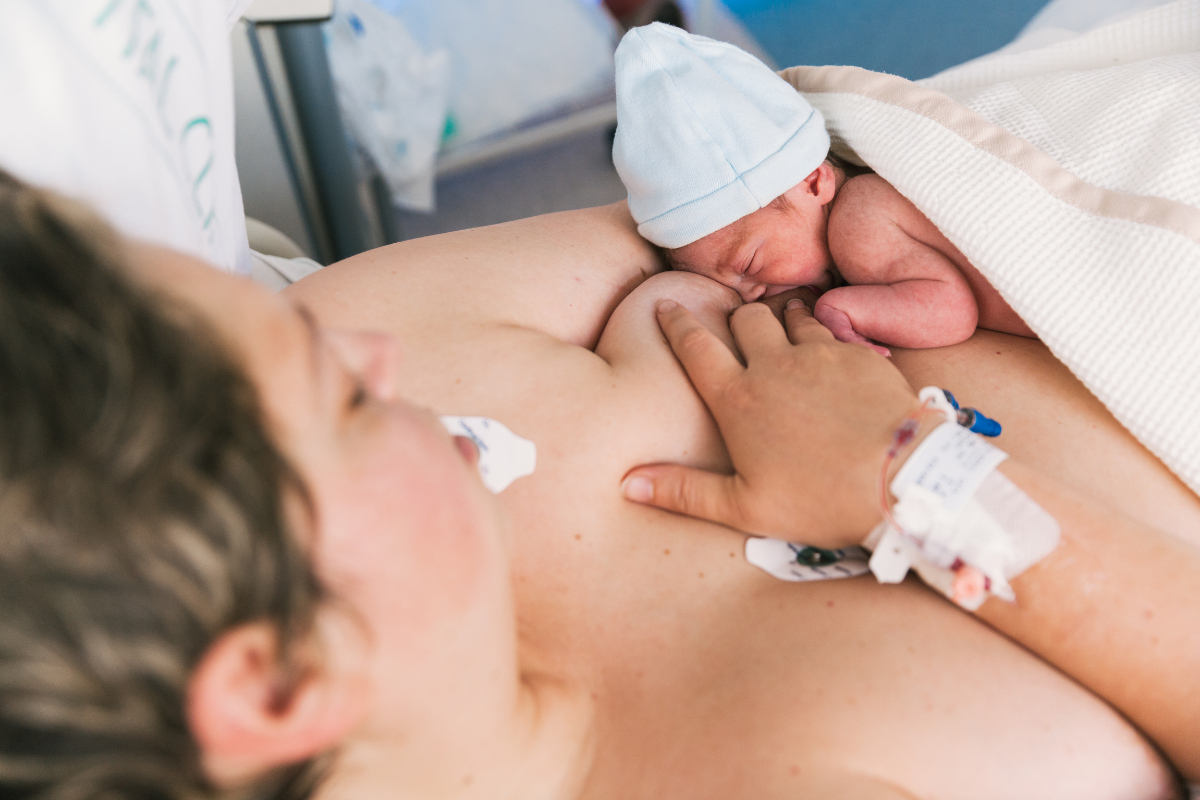
Skin-to-skin contact: Do you want immediate skin-to-skin contact after delivery, regardless of whether you’re having a vaginal or C-section birth? Research shows that this contact promotes bonding and helps regulate your baby’s temperature.
Cutting the cord: Do you want your partner to cut the umbilical cord, or would you like to delay clamping until the cord stops pulsing (this is known as delayed cord clamping)?
Feeding Preferences
 Feeding Preferences
Breastfeeding or Formula: If you plan to breastfeed, do you want to try breastfeeding immediately after birth? If you prefer formula, you may want to make arrangements for your baby’s feeding from the start.
Breastfeeding support: Some hospitals offer lactation consultants to help with breastfeeding, so be sure to mention whether you’d like assistance.
Postpartum Recovery
Think about your postpartum care preferences:
Pain management: Do you want medication for pain after delivery, or would you prefer non-medical alternatives like heat packs or sitz baths?
Visitors: How soon would you like visitors, and are there any restrictions on who should be allowed to visit?
Newborn care: Would you like your baby to stay in the room with you, or would you prefer the baby be in the nursery for a while?
Be Flexible
While a birth plan is helpful, it’s important to remain flexible. Labor and delivery can be unpredictable, and circumstances may change. For instance, an unplanned C-section or the need for medical interventions may arise.
Keep in mind that your birth plan is a guideline, not a strict set of rules. If things don’t go as planned, trust your healthcare team and be open to making adjustments for the safety and well-being of both you and your baby.
Communicate Your Birth Plan
 Communicate Your Birth Plan
Once you’ve created your birth plan, it’s essential to communicate it clearly to your birth team. Share the plan with your doctor, midwife, and anyone else who will be present at the birth.
You can bring printed copies to your appointments and the hospital to ensure everyone is on the same page. You can also review it with your partner so they understand your preferences and can advocate for you if necessary.
Conclusion
Creating a birth plan is an important step in preparing for the birth of your baby. It helps you understand your options and make decisions about what’s best for you and your baby.
While things may not always go according to plan, having a clear idea of your preferences can help you feel more empowered and prepared. Take the time to talk with your healthcare team, communicate your wishes, and remain open to flexibility as you approach labor.
With the right preparation and support, your birth experience can be a positive and fulfilling one.
Did you find this post useful or inspiring? Save THIS PIN to your PARENTING Board on Pinterest! 😊


You may also like