
How to Create a Safe and Effective Skincare Routine During Pregnancy
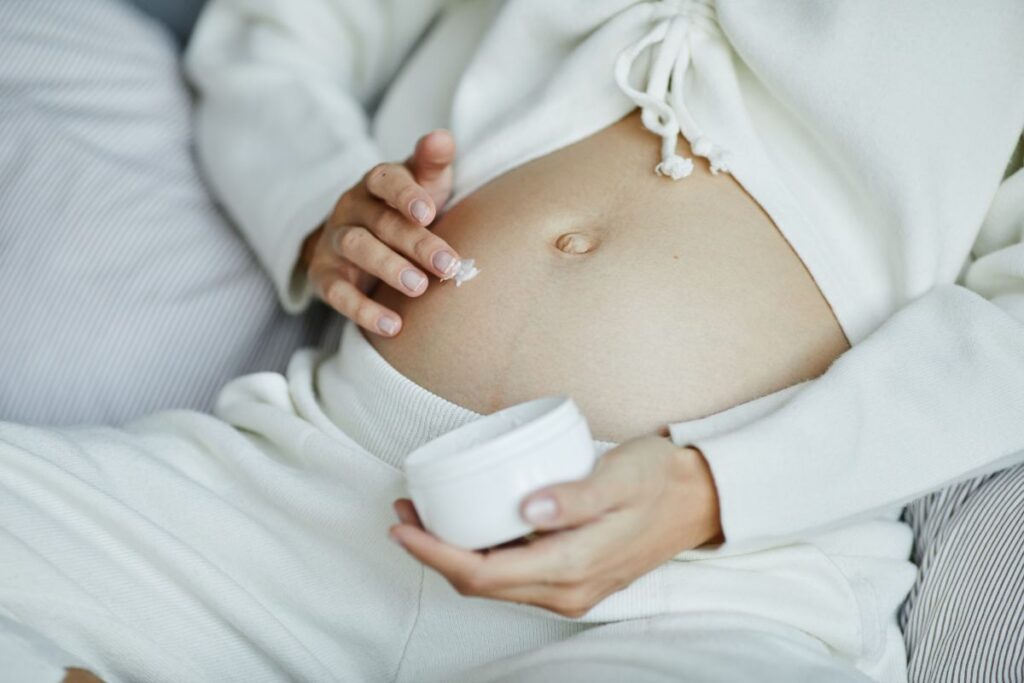
Pregnancy brings with it many changes, and your skin is no exception. Hormonal fluctuations can affect your skin in various ways, leading to increased sensitivity, acne, or pigmentation changes.
While taking care of your skin is important at any time, it’s especially crucial during pregnancy to ensure that the products you use are safe for both you and your baby.
In this article, we will guide you through creating a safe and effective skincare routine during pregnancy that nurtures your skin while keeping both your health and your baby’s well-being in mind.
Why Pregnancy Requires Special Skincare Considerations
During pregnancy, your body undergoes significant hormonal changes that can affect your skin. Some common skin issues during pregnancy include:
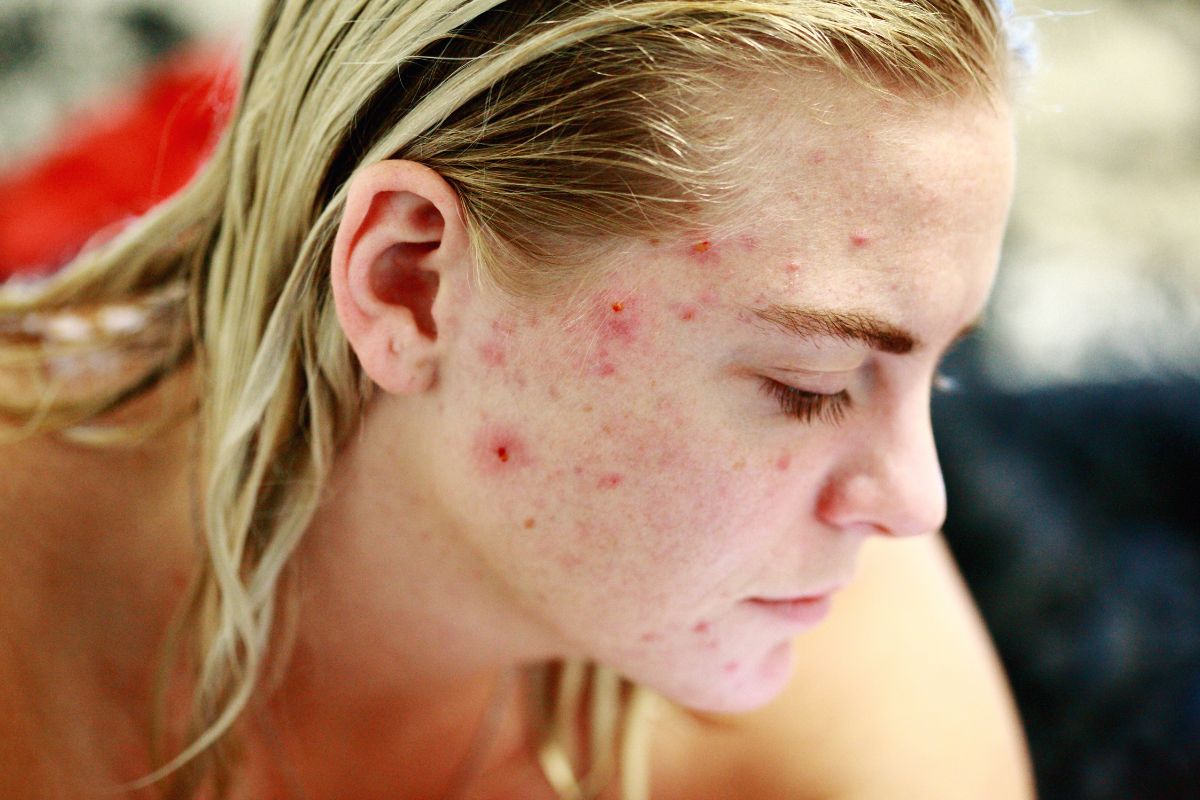
Acne due to hormonal fluctuations
Hyperpigmentation, such as the “mask of pregnancy” (melasma)
Increased skin sensitivity, leading to irritation or redness
Dryness or dehydration from hormonal shifts
Stretch marks from skin stretching
With these changes, it’s important to choose skincare products that support your skin while avoiding those that could potentially harm you or your baby. Certain ingredients and treatments should be avoided during pregnancy, and adapting your skincare routine is a safe and effective way to care for your skin during this special time.
 Cleanse Gently but Effectively
 Cleanse Gently but Effectively
A gentle cleanser is the foundation of any good skincare routine, and pregnancy is no different.
Choose a Mild, Non-Toxic Cleanser
During pregnancy, your skin may become more sensitive to harsh chemicals and fragrances. Opt for a gentle, sulfate-free cleanser that is free from artificial fragrances and harsh chemicals. Look for plant-based or natural cleansers that are hydrating and designed for sensitive skin.
Avoid Strong Exfoliants
While exfoliation can help remove dead skin cells and promote healthy skin turnover, pregnancy may increase your skin’s sensitivity. It’s best to avoid products with harsh exfoliants like scrubs with beads or chemical exfoliants with strong AHAs or BHAs. Instead, opt for a mild, gentle exfoliation once or twice a week using enzyme-based exfoliants.
Moisturize and Hydrate
Pregnancy can lead to increased dryness or dehydration, so keeping your skin hydrated is crucial.
Choose a Safe, Nourishing Moisturizer
A good moisturizer is key to maintaining healthy skin during pregnancy. Look for fragrance-free moisturizers with hydrating ingredients like hyaluronic acid, shea butter, or ceramides. These ingredients help lock in moisture and improve the skin’s barrier function.
Consider Using a Body Lotion for Stretch Marks
 Consider Using a Body Lotion for Stretch Marks
As your skin stretches to accommodate your growing baby, you might develop stretch marks. While no product can completely prevent stretch marks, moisturizing regularly with a rich body lotion containing cocoa butter, shea butter, or vitamin E can help keep the skin elastic and reduce dryness. Some pregnant women find that these ingredients provide comfort and keep their skin feeling soft.
Treat Pregnancy-Related Skin Issues
Hormonal changes during pregnancy can cause a variety of skin issues, such as acne or pigmentation changes. Here’s how to address these concerns:
For Acne
If you experience acne during pregnancy, avoid using benzoyl peroxide or retinoids, as these ingredients can be harmful during pregnancy. Instead, try using salicylic acid in moderation (especially if prescribed by your doctor) or opt for gentle tea tree oil as a spot treatment. Make sure to keep your skin moisturized to avoid exacerbating acne due to dryness.
For Hyperpigmentation (Melasma)
Many women experience dark spots or the "mask of pregnancy" due to hormonal changes. To treat this, choose safe brightening ingredients, such as vitamin C and niacinamide, which can help lighten dark spots. Always use broad-spectrum sunscreen (SPF 30 or higher) to prevent further pigmentation from sun exposure.
For Dryness and Dehydration
 For Dryness and Dehydration
Use a moisturizing serum or oil containing argan oil or rosehip oil to help lock in moisture and soothe dry skin. If you’re concerned about using oils, choose non-comedogenic options that won’t clog pores.
Sun Protection is Key
During pregnancy, your skin may become more sensitive to the sun, and you may be more prone to sunburn and hyperpigmentation.
Wear Sunscreen Daily
Sunscreen should be a non-negotiable part of your pregnancy skincare routine. Choose a mineral sunscreen with zinc oxide or titanium dioxide, as these physical blockers are safe during pregnancy. Make sure to apply it every morning, even on cloudy days, to protect your skin from harmful UV rays that can lead to pigmentation and sunburn.
Avoid Tanning Beds
Tanning beds should be avoided during pregnancy, as they expose your skin to harmful UV rays and increase the risk of skin damage. Stick to natural sun protection methods, such as sunscreen and protective clothing.
Avoid Harmful Ingredients
 Avoid Harmful Ingredients
Certain ingredients should be avoided during pregnancy to ensure the safety of both you and your baby.
Ingredients to Avoid
Retinoids (including retinol) can cause birth defects and should be avoided.
Salicylic acid in high concentrations (above 2%) should be limited.
Hydroquinone, a skin-lightening agent, should be avoided.
Formaldehyde and phthalates are harmful chemicals found in some skincare products.
Essential oils like rosemary and clary sage may not be safe for pregnancy.
Check labels carefully and opt for pregnancy-safe, natural products.
Focus on Self-Care
In addition to your skincare routine, self-care is essential during pregnancy. Taking time for yourself can help reduce stress and support your overall well-being.
Stay Hydrated
Drinking plenty of water helps keep your skin hydrated from the inside out. Aim to drink at least 8 glasses of water a day to support your skin and overall health.
Eat a Balanced Diet
 Eat a Balanced Diet
A nutritious diet filled with fruits, vegetables, lean proteins, and healthy fats provides the essential nutrients needed for glowing skin. Foods rich in vitamin C, vitamin E, and omega-3 fatty acids can promote skin health.
Manage Stress
Pregnancy can be stressful, so it’s important to find ways to relax. Practice stress-reducing techniques such as meditation, yoga, or simply spending time in nature. Stress can exacerbate skin problems like acne and dryness.
Nurturing Your Skin During Pregnancy with Care
Pregnancy is a beautiful journey that comes with its share of changes—both emotionally and physically.
By following a safe and effective skincare routine, you can support your skin’s health, manage pregnancy-related skin changes, and promote overall well-being.
Remember to choose gentle, pregnancy-safe products, stay hydrated, protect your skin from the sun, and always listen to your body’s needs. With a bit of self-care and thoughtful skincare, you’ll feel confident, comfortable, and glowing throughout your pregnancy.
Did you find this post useful or inspiring? Save THIS PIN to your PARENTING Board on Pinterest! 😊

You may also like