
How to Encourage Positive Behavior in Toddlers

Parenting toddlers can be both rewarding and challenging. During these formative years, toddlers are learning about the world around them and testing boundaries as they develop a sense of independence.
As a parent, one of your primary goals is to foster positive behavior while guiding your toddler through moments of frustration and discovery.
Encouraging positive behavior is essential for building a foundation of respect, self-regulation, and kindness that will last a lifetime. In this article, we’ll explore effective strategies for encouraging positive behavior in toddlers.
Why Positive Behavior Matters
Toddlers are in a critical stage of development where they begin to understand social norms, cause-and-effect relationships, and the emotions of others. Encouraging positive behavior helps them:
Understand the consequences of their actions.
Learn empathy and how their actions affect others.
Build strong relationships with family and peers.
Develop self-control, which is crucial for their future emotional well-being.
By focusing on positive reinforcement and consistent boundaries, you create an environment that promotes growth and emotional development.
 Use Positive Reinforcement
 Use Positive Reinforcement
One of the most effective ways to encourage positive behavior in toddlers is through positive reinforcement. When your child behaves well, it’s essential to acknowledge and reward their actions to reinforce the desired behavior.
Praise Specific Actions
Instead of general praise like "Good job!", try to be more specific about what they did right.
For example, say, “I love how you shared your toy with your friend!” This reinforces the behavior you want to see more of and helps your toddler connect their actions with positive outcomes.
Offer Tangible Rewards
In addition to praise, tangible rewards such as stickers, extra playtime, or a small treat can be effective in reinforcing positive behavior.
Ensure that rewards are given immediately after the desired behavior so that your toddler can connect the action with the reward.
Set Clear and Consistent Boundaries
Toddlers need boundaries to feel secure and understand what is expected of them. Without clear and consistent rules, toddlers can feel anxious or confused, which may lead to negative behavior.
Establishing clear boundaries helps toddlers feel confident in their actions and understand the limits.
Be Consistent with Expectations
 Be Consistent with Expectations
Consistency is key when setting boundaries. For example, if you say "no" to something today, be sure to stick with it tomorrow.
If your toddler is allowed to break a rule one day and not the next, they will struggle to understand the limits.Be patient and firm, but also gentle in your approach.
Give Clear Instructions
When setting boundaries, use simple, age-appropriate language. Instead of vague instructions like "be good," tell your toddler exactly what you expect, such as “Please put the toy in the basket,” or “We use gentle hands with our friends.”
Clear, specific directions help toddlers know exactly what to do.
Model Positive Behavior
Toddlers are keen observers and often mimic the behaviors they see in their parents. As a result, it’s crucial to model the positive behavior you want to see in your toddler.
Whether it's using polite words, showing empathy, or managing frustration calmly, your toddler will learn by watching your actions.
Show Respect and Kindness
When you treat others with respect and kindness, your toddler will learn to do the same. Use please and thank you, listen attentively when others speak, and express empathy toward others.
This will encourage your toddler to mirror these behaviors in their own interactions.
Stay Calm During Difficult Moments
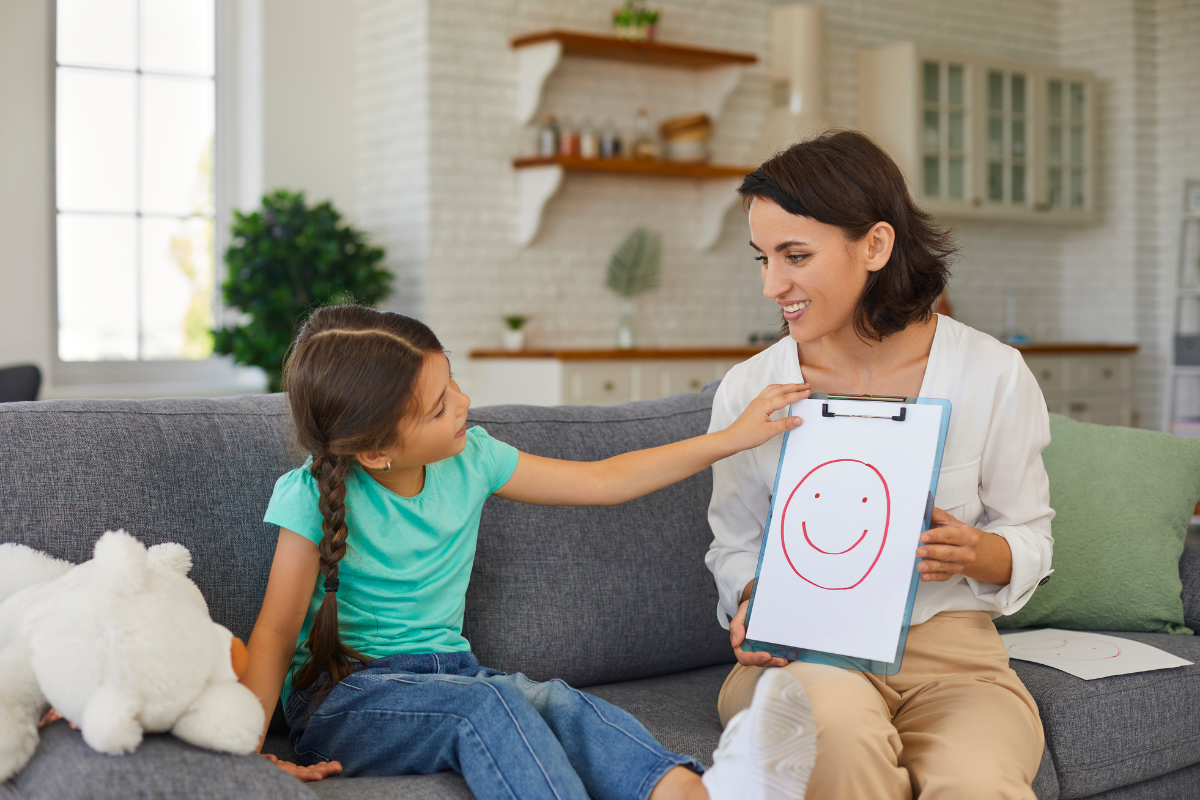 Stay Calm During Difficult Moments
Toddlers often test boundaries, especially when they’re tired or hungry. In these moments, it’s essential to remain calm and avoid reacting with anger or frustration.
When you handle challenging situations with patience, your toddler will learn how to manage their own emotions in the future.
Encourage Empathy and Understanding
Teaching toddlers to recognize and understand the emotions of others is an essential part of fostering positive behavior. Encouraging empathy helps toddlers develop emotional intelligence, which is vital for building positive relationships with others.
Label Emotions
Help your toddler identify their own feelings by labeling emotions like happy, sad, angry, or frustrated.
For example, if your toddler is upset, you might say, “I can see you’re feeling sad because we have to leave the park.” This helps them understand their emotions and gives them the language to express themselves.
Teach Empathy Through Role Play
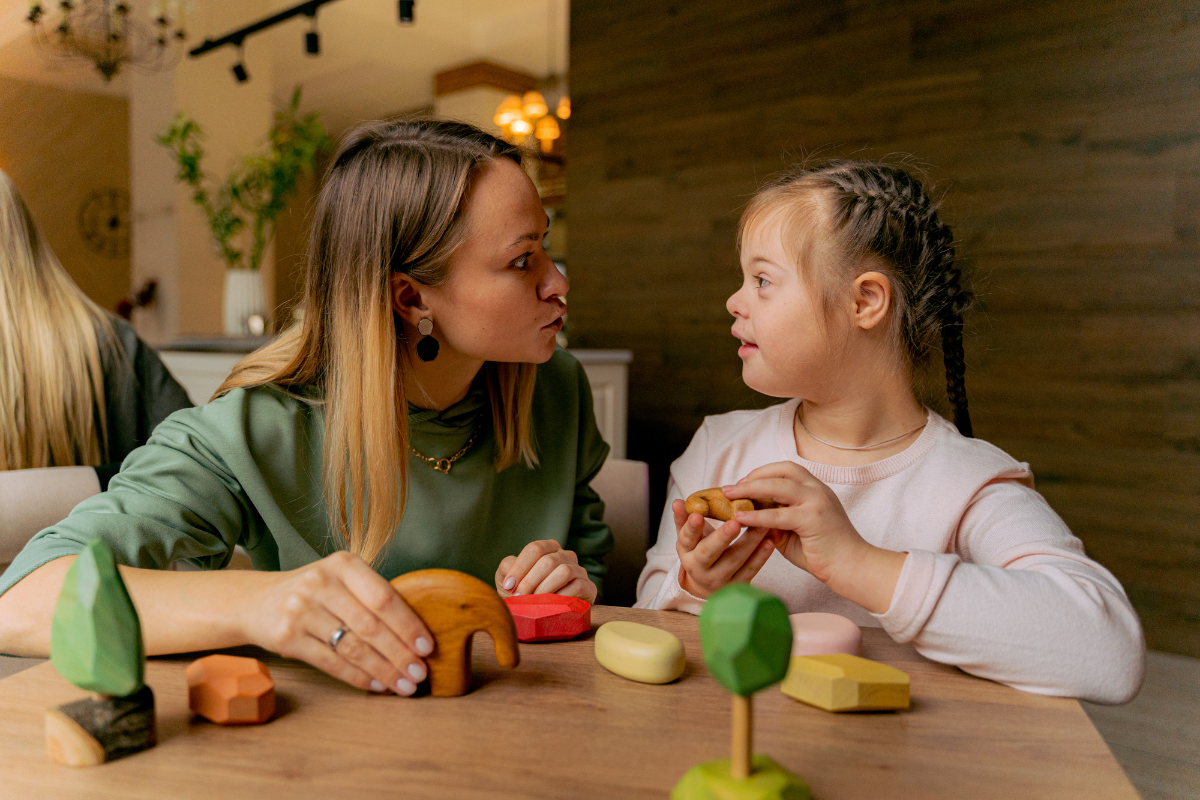 Teach Empathy Through Role Play
Role-playing is a great way to teach toddlers empathy. You can pretend to be different characters and act out situations where kindness and sharing are required.
For example, pretend that one doll is upset and the other offers comfort. This not only teaches empathy but also provides your toddler with the tools they need to express kindness in real-life situations.
Redirect Negative Behavior
While setting boundaries is important, there will be times when your toddler exhibits negative behavior, such as hitting, throwing tantrums, or refusing to share.
Instead of simply punishing the behavior, try to redirect your toddler’s actions to something more positive.
Offer Alternatives
If your toddler is throwing toys or hitting, offer them an alternative, such as a calming activity or another way to express their feelings.
For example, say, “We don’t throw toys, but you can throw this soft ball.” By giving them an alternative behavior, you help them understand what is acceptable while still addressing their emotional needs.
Use Distraction Techniques
Toddlers often act out because they are bored or frustrated. Use distraction to shift their attention to something positive.
For example, if your toddler is throwing a tantrum because they can’t have a toy, try offering a different toy or suggest a fun activity like coloring or playing a game. This can help diffuse the situation without escalating it.
Be Patient and Flexible
Toddlers are still learning how to navigate the world, so it’s essential to exercise patience. They may not always respond perfectly to rules or instructions, and they’re bound to make mistakes along the way.
Instead of reacting with frustration, recognize that this is a learning process. Give your toddler the space to grow and learn, and celebrate small victories along the way.
Allow for Mistakes
 Allow for Mistakes
It’s natural for toddlers to make mistakes as they learn how to behave. Instead of punishing them, focus on the opportunity to teach them.
Explain why their behavior wasn’t appropriate and what they can do differently next time. This helps them understand the importance of learning from mistakes while reinforcing positive behavior.
Conclusion
Encouraging positive behavior in toddlers is an ongoing process that requires consistency, patience, and a lot of love.
By using positive reinforcement, modeling good behavior, setting clear boundaries, and teaching empathy, you can create an environment that promotes respect, kindness, and self-regulation.
Remember, toddlers are still learning how to navigate the world, so it’s important to support their emotional growth and guide them through challenging moments with understanding.
With the right tools and strategies, you’ll help your toddler develop into a responsible, kind, and thoughtful individual.
Did you find this post useful or inspiring? Save THIS PIN to your PARENTING Board on Pinterest! 😊

You may also like