
- Urbaki Parenting
- Tips for Parents
- How to Foster Independence in Your Child: Practical Tips
How to Foster Independence in Your Child: Practical Tips

Fostering independence in children is one of the most valuable gifts you can give them as a parent.
As your child grows, learning to make their own decisions, take responsibility, and solve problems builds their confidence and sets them up for success in life.
However, teaching independence doesn’t happen overnight—it’s a gradual process that requires patience, encouragement, and support.
In this article, we will explore practical tips for fostering independence in your child, ensuring they grow into self-sufficient, confident individuals.
Why Fostering Independence is Important
Independence is an essential skill that helps children become problem-solvers, critical thinkers, and emotionally resilient individuals. Here are some reasons why promoting independence is important:
Confidence building: When children take on responsibilities and succeed, they feel proud and confident in their abilities.
Life skills: Independence helps children develop practical life skills, such as decision-making, time management, and emotional regulation.
Prepares for adulthood: Learning independence from a young age prepares children for adulthood, where they’ll need to manage relationships, careers, and other responsibilities.
 Start Early with Age-Appropriate Responsibilities
 Start Early with Age-Appropriate Responsibilities
It’s never too early to begin fostering independence. As early as toddlerhood, you can start introducing simple responsibilities and routines that help your child become more self-sufficient.
Encourage Self-Feeding and Dressing
By the age of 2, many children are capable of self-feeding with utensils and trying to dress themselves.
Allow your child to practice putting on their clothes, even if they need assistance. Encouraging self-care tasks, like feeding and dressing, boosts confidence and teaches them valuable motor skills.
Assign Simple Tasks
For toddlers, assign age-appropriate tasks such as picking up toys, putting dirty clothes in the laundry, or helping to set the table. While these tasks may take longer to complete, they offer a sense of accomplishment and responsibility.
Encourage Decision-Making
A critical part of fostering independence is allowing your child to make decisions. This empowers them to think critically and understand the consequences of their choices.
Offer Choices, Not Orders
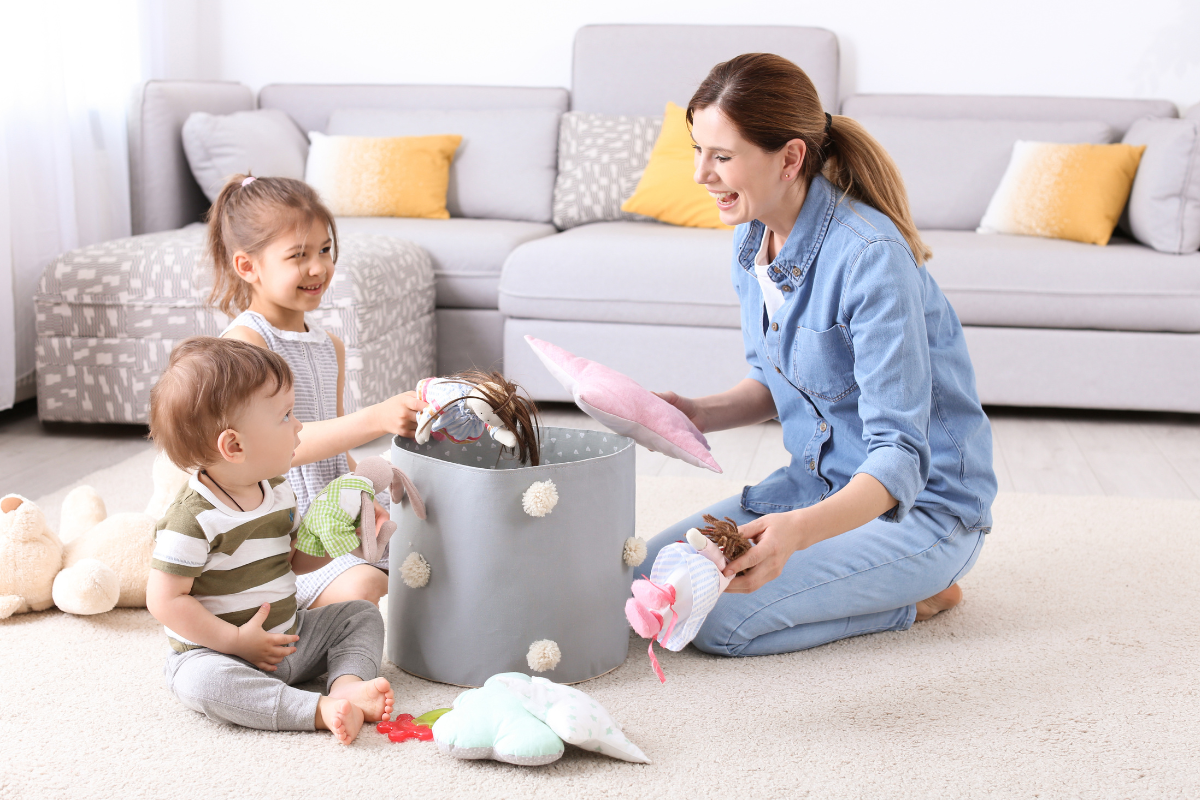 Offer Choices, Not Orders
Instead of dictating every action, provide your child with a limited set of choices. For example, “Would you like to wear the red shirt or the blue shirt today?” This gives them control over their decisions while still guiding them within boundaries.
Allow for Mistakes
Making mistakes is an essential part of learning. When children are allowed to make decisions and occasionally face the consequences, they develop problem-solving skills and understand that mistakes are part of life.
For example, if they choose to wear mismatched clothes or forget to pack their lunch, the experience can teach them responsibility without shame.
Establish Routines and Responsibilities
Having structured routines and clear responsibilities helps children understand expectations and become more self-reliant.
Create a Consistent Routine
Children thrive on routine. When you establish daily routines for tasks like waking up, eating, and bedtime, children feel more secure and learn to manage their time effectively. Over time, they’ll become comfortable with completing tasks independently.

Assign Age-Appropriate Chores
Chores are an excellent way to teach independence. Start with simple tasks that are manageable for your child’s age and gradually increase their responsibilities as they grow. Some examples of age-appropriate chores include:
3-5 years: Feeding pets, wiping down surfaces, sorting laundry
6-8 years: Making their bed, setting the table, vacuuming
9-12 years: Doing their laundry, washing dishes, preparing simple meals
Chores foster a sense of ownership and pride, while also teaching the importance of contributing to the household.
Encourage Problem-Solving
Independence also comes from learning to solve problems on their own. Allowing your child to face challenges and come up with solutions helps them build resilience and critical thinking skills.
Guide, Don’t Solve
Instead of immediately stepping in to fix problems, try guiding your child with questions that help them think through the solution.
For example, if they are struggling to put a puzzle together, ask, “What do you think we should try next?” This encourages them to use their own judgment.
Teach Conflict Resolution Skills
 Teach Conflict Resolution Skills
If your child faces a conflict with a sibling or friend, encourage them to express their feelings and work towards a solution independently.
Give them the tools to communicate effectively, such as using “I feel” statements, and encourage them to think of ways to solve disagreements without relying on an adult to intervene.
Build Confidence with Praise and Encouragement
Positive reinforcement plays a significant role in fostering independence. Encouragement boosts your child’s self-esteem and motivates them to continue making decisions on their own.
Praise Effort, Not Just Results
When your child takes initiative or tackles a challenging task, praise their effort rather than just the outcome.
Saying things like, “I’m proud of how hard you worked on that,” or “You really thought that through,” reinforces the idea that trying and learning are just as important as succeeding.
Celebrate Milestones
As your child reaches new milestones in their journey toward independence—whether it’s learning to tie their shoes or completing a chore without prompting—celebrate these accomplishments.
Recognizing their growth fosters a sense of pride and motivates them to continue developing new skills.
Be Supportive, Not Overbearing
 Be Supportive, Not Overbearing
One of the most challenging aspects of fostering independence is finding the right balance between offering support and giving your child the freedom to do things on their own. Over-managing or hovering can make your child feel incapable or anxious.
Allow Freedom Within Boundaries
While it’s essential to set guidelines and boundaries, it’s equally important to give your child room to explore and make mistakes.
Provide them with the tools, knowledge, and support they need, but allow them to take the lead when it comes to completing tasks or making decisions.
Be Patient and Flexible
Encouraging independence is a process, and it won’t always be smooth. There will be setbacks, frustrations, and moments of doubt. Be patient, and adjust your approach as needed.
Your child will progress at their own pace, and your support is crucial as they navigate this developmental stage.
Nurturing Independence for a Confident Future
Fostering independence in your child is one of the most empowering and rewarding aspects of parenting.
By giving your child the tools, guidance, and opportunities to grow on their own, you help them build the confidence, resilience, and problem-solving skills needed to succeed in life.
Whether through decision-making, chores, or problem-solving, every small step toward independence helps your child develop a strong sense of self and prepares them for the challenges of the future.
Remember, as a parent, your role is to guide, support, and encourage, but it’s your child who will ultimately take the lead in becoming a confident and independent individual.

You may also like