
How to Introduce Sippy Cups: Tips for a Smooth Transition
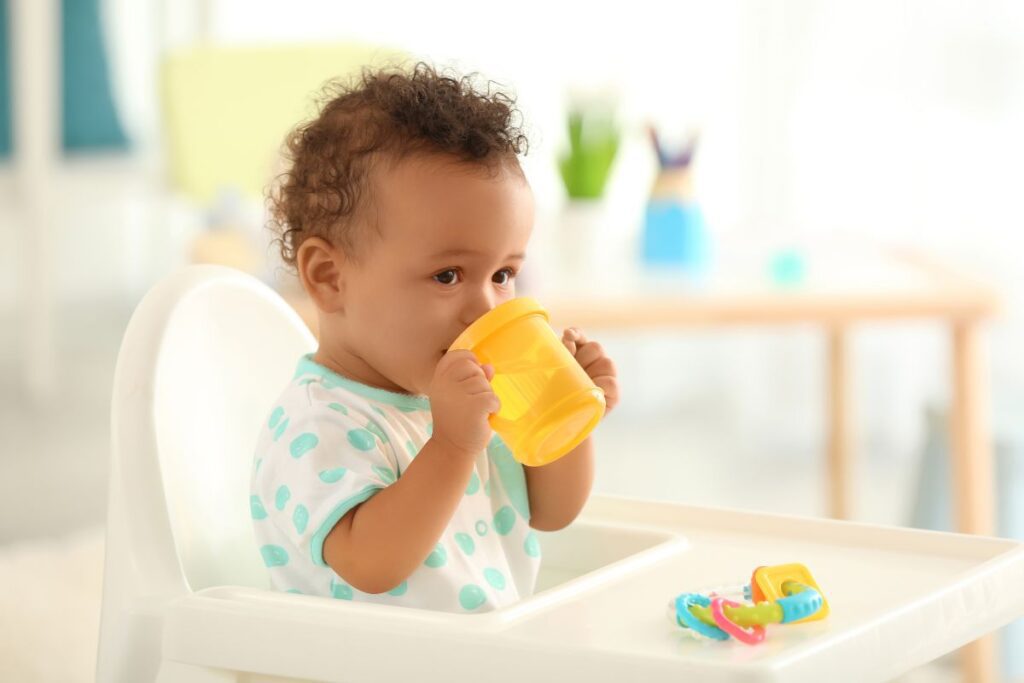
Introducing a sippy cup is an exciting milestone in your toddler’s development. It marks the move from bottle or breastfeeding to independent drinking, promoting oral skills and self-sufficiency.
However, the transition can sometimes be tricky for both parents and little ones. With the right approach and patience, you can make this change smooth and enjoyable.
In this guide, we’ll share practical tips and strategies for introducing sippy cups confidently and effectively.
When to Start Introducing a Sippy Cup
Timing is key when it comes to introducing a sippy cup. Most pediatricians recommend beginning around 6 months of age, but readiness can vary depending on your child’s development and feeding habits.
Signs Your Child is Ready
Shows interest in your cup or drinks from a straw
Can sit up with support
Begins to develop hand coordination to hold objects
Is ready to start weaning off the bottle
If your toddler shows these signs, it’s a great time to start introducing a sippy cup.
 Choosing the Right Sippy Cup
 Choosing the Right Sippy Cup
Selecting a sippy cup that fits your child’s needs can make the transition easier.
Types of Sippy Cups
Spout cups: Mimic the bottle nipple but require some lip movement.
Soft spout cups: Gentle on gums and teeth, ideal for early learners.
Straw cups: Encourage sucking skills and oral development.
Open cups: Promote natural drinking but require more control.
What to Look For
Easy to clean and dishwasher-safe
Leak-proof design to minimize messes
Comfortable size and grip for small hands
BPA-free and safe materials
Let your child try different types to see what they prefer.
Tips for Introducing the Sippy Cup
 Tips for Introducing the Sippy Cup
Start Slowly and Be Patient
Begin by offering the sippy cup during calm moments, such as snack time or after meals. Let your toddler explore the cup without pressure to drink.
Demonstrate How to Use It
Children learn by imitation. Show them how you drink from your cup, exaggerating the motions. Use positive, encouraging language to make the experience fun.
Replace One Bottle Feeding at a Time
Gradually substitute one bottle feeding with a sippy cup session. This stepwise approach helps your toddler adjust without feeling overwhelmed.
Fill the Cup with Familiar Liquids
Start with breast milk, formula, or water—fluids your child already enjoys. Introducing new tastes too quickly may cause resistance.
Make It Accessible
Keep the sippy cup within reach so your toddler can practice grabbing and drinking independently.
Encouraging Success and Handling Challenges
 Encouraging Success and Handling Challenges
Praise Efforts, Not Just Results
Celebrate your child’s attempts to drink from the sippy cup, even if they don’t succeed immediately. Positive reinforcement builds confidence.
Expect Messes and Keep a Positive Attitude
Learning to use a sippy cup involves spills and trial-and-error. Use bibs, place mats, and easy-to-clean surfaces to reduce frustration.
Address Resistance Gently
If your toddler refuses the sippy cup, don’t force it. Take a break and try again later. Sometimes changing the cup’s style or color reignites interest.
Monitor for Oral Development
Encouraging sippy cup use supports oral motor skills important for speech and eating. If you have concerns, consult your pediatrician or a speech therapist.
Transitioning Away from Bottles
Once your toddler comfortably uses a sippy cup, you can gradually phase out bottles. This helps prevent dental issues and supports healthy development.
Tips for Phasing Out Bottles
 Tips for Phasing Out Bottles
Limit bottle use to specific times, such as nap or bedtime.
Replace bottles with sippy cups during the day first.
Be consistent and patient—some toddlers take longer to adjust.
When to Introduce an Open Cup
After mastering the sippy cup, encourage your toddler to try an open cup. This step promotes further oral skills and prepares them for drinking like older children and adults.
Making the Sippy Cup Transition a Positive Experience for Your Toddler
Introducing a sippy cup is a meaningful step toward your toddler’s independence and development.
By choosing the right cup, introducing it gradually, and offering plenty of encouragement, you can ease the transition and foster a positive attitude toward drinking independently.
Remember, every child moves at their own pace. With patience and a bit of creativity, you’ll soon see your toddler mastering this new skill—and you’ll both enjoy the journey together.
Did you find this post useful or inspiring? Save THIS PIN to your PARENTING Board on Pinterest! 😊

You may also like