
How to Set Up an Ideal Playroom for Toddlers
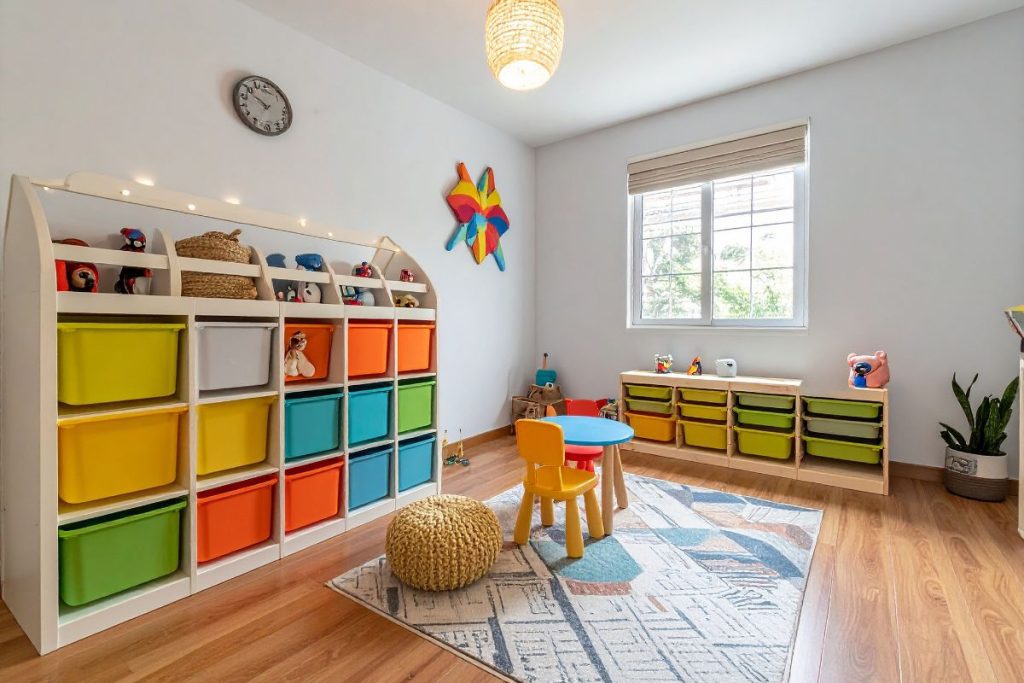
Creating the perfect playroom for your toddler is an exciting opportunity to foster creativity, learning, and fun in a safe, engaging environment.
A well-designed playroom can serve as a space where your toddler can explore, develop essential skills, and, of course, have a great time. In this guide, we’ll walk you through the essential steps for setting up an ideal playroom that is both practical and enjoyable for your little one.
Understanding the Key Elements of a Playroom
Before diving into specific ideas, it’s important to consider what makes an ideal playroom for toddlers. The goal is to create a space that is safe, stimulating, and functional. Here are a few key elements to keep in mind:
Safety: The playroom should be childproofed with no sharp edges, choking hazards, or easily accessible electrical outlets.
Accessibility: Ensure that toys, books, and materials are within easy reach for your toddler so they can play independently.
Variety: A mix of activities, from physical play to creative pursuits, will keep your toddler engaged and promote development in different areas.
Now, let’s break down the process of setting up the perfect playroom for your toddler.
 Step 1: Choose the Right Location
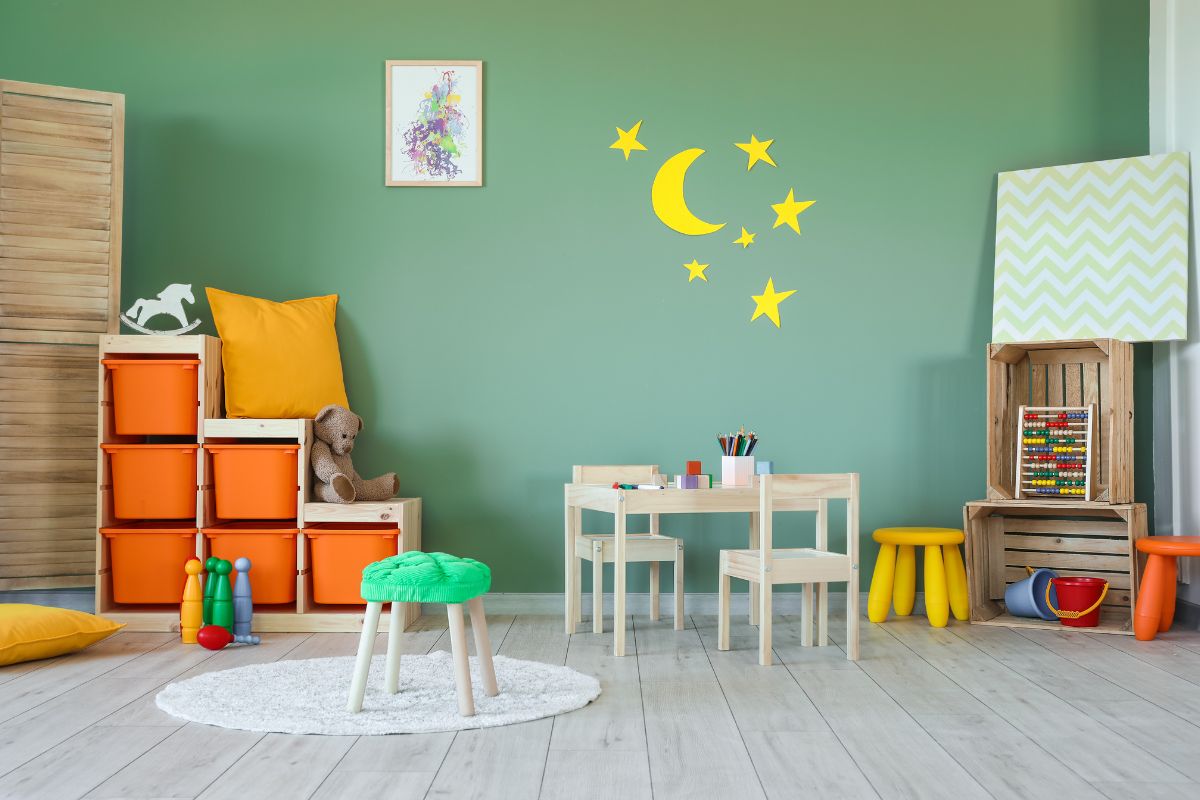 Step 1: Choose the Right Location
The first step in creating an ideal playroom is choosing the right location. Depending on the size of your home and your toddler's needs, the playroom can be in a dedicated room, a corner of a living space, or even a section of a shared family area.
Considerations for the Ideal Location:
Space and Size: Choose a location that is spacious enough for your toddler to move around freely. Toddlers need room to explore, run, and jump, so avoid cramming too much into a small area.
Proximity to Family: If the playroom is separate, ensure it’s not too isolated. You’ll want to supervise your toddler, especially during playtime, and it’s beneficial if the playroom is close to the main living area.
Natural Light: Ideally, the playroom should have good natural lighting. If possible, place the play area near a window to allow plenty of daylight, which can positively affect mood and energy levels.
Step 2: Make Safety a Priority
Once you’ve chosen the location, safety is the next priority. Toddlers are naturally curious and adventurous, so it's important to ensure the playroom is a safe space for them to explore and have fun.
How to Childproof the Playroom:
Secure furniture: Anchor any heavy furniture like bookshelves or dressers to the wall to prevent tipping.
Cover sharp edges: Use edge protectors on furniture with sharp corners, such as tables or low cabinets.
Outlet covers: Ensure electrical outlets are covered with childproof plugs to prevent your toddler from poking fingers into them.
Toys with small parts: Always check toys for small removable parts that could be a choking hazard.
Flooring: Soft rugs or cushioned flooring can protect your toddler from falls. Consider foam tiles or carpet that are easy to clean.
Step 3: Organize the Space for Easy Access and Fun
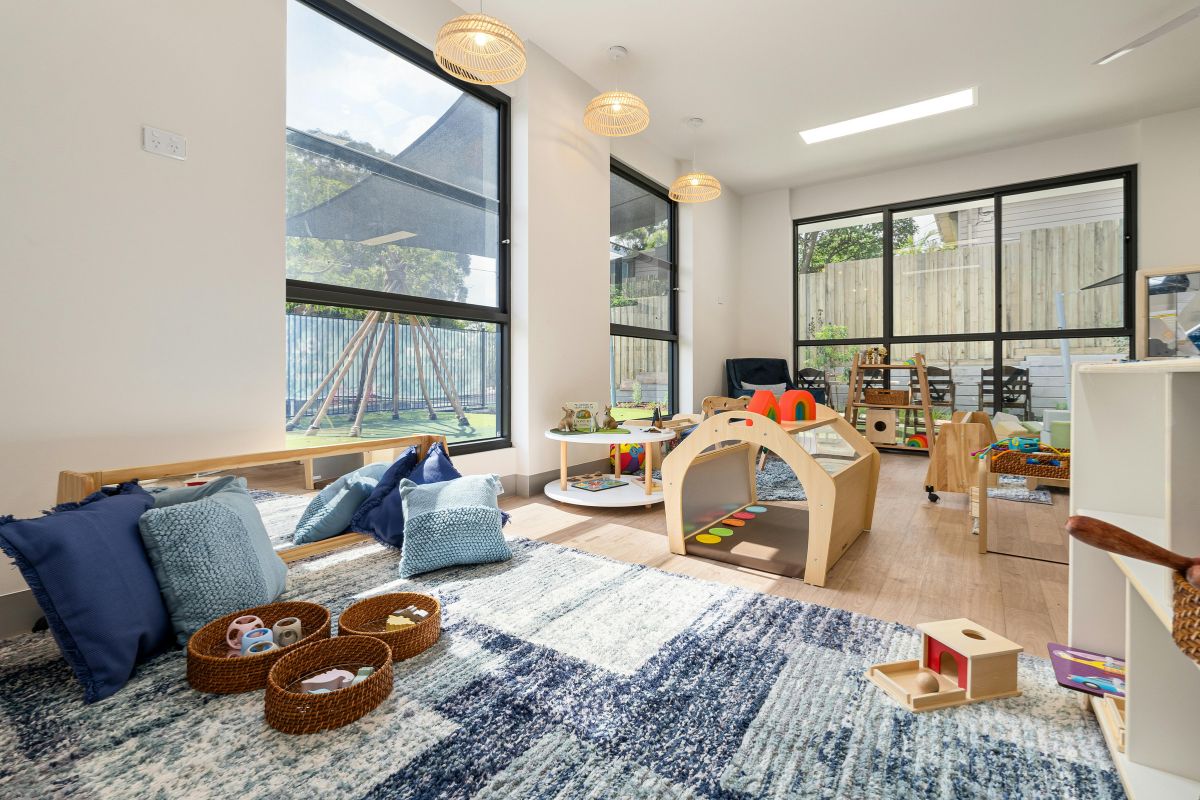 Step 3: Organize the Space for Easy Access and Fun
A well-organized playroom helps your toddler enjoy the space to the fullest. When everything is within easy reach, your toddler can play independently and easily find what they’re looking for. The key is to balance functionality and fun while keeping things simple.
Tips for Organizing the Playroom:
Storage solutions: Invest in storage bins, baskets, and shelves that are easily accessible for toddlers. Labeling bins with pictures or words can help them learn to organize their toys.
Open shelving: Use low, open shelves where toys and books can be neatly arranged but still visible and accessible.
Play zones: Create designated areas for different types of play. For example, one area could be for building blocks, another for reading, and a third for art or sensory play.
Keep it simple: Too many toys can overwhelm your toddler and make the room feel chaotic. Keep the selection manageable and rotate toys to keep things fresh.
Step 4: Incorporate Developmental Play Areas
A toddler’s playtime is more than just fun—it’s a chance for them to develop essential skills, from motor coordination to social interaction. When setting up the playroom, think about how each area can encourage your toddler’s developmental milestones.
Ideas for Developmental Play Areas:
Building Zone: Incorporate building blocks, stacking toys, and puzzles to encourage fine motor skills and problem-solving. These types of toys help with hand-eye coordination and cognitive development.
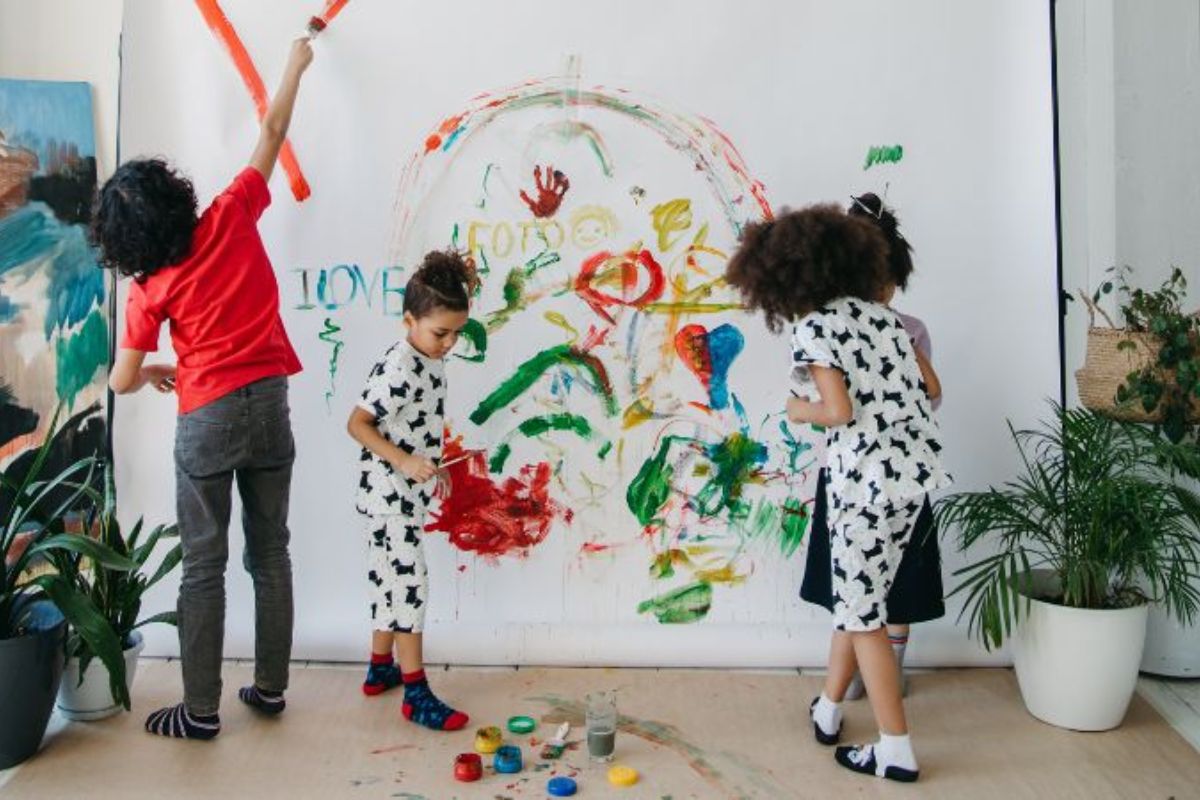
Creative Zone: Set up a small art station with crayons, markers, paint, and paper to encourage creative expression. Toddlers love to explore different textures and colors, and art projects are excellent for fine motor skill development.
Reading Corner: A cozy reading nook with soft pillows and shelves filled with board books can foster a love of reading. Choose books with bright illustrations and simple text to captivate your toddler’s attention.
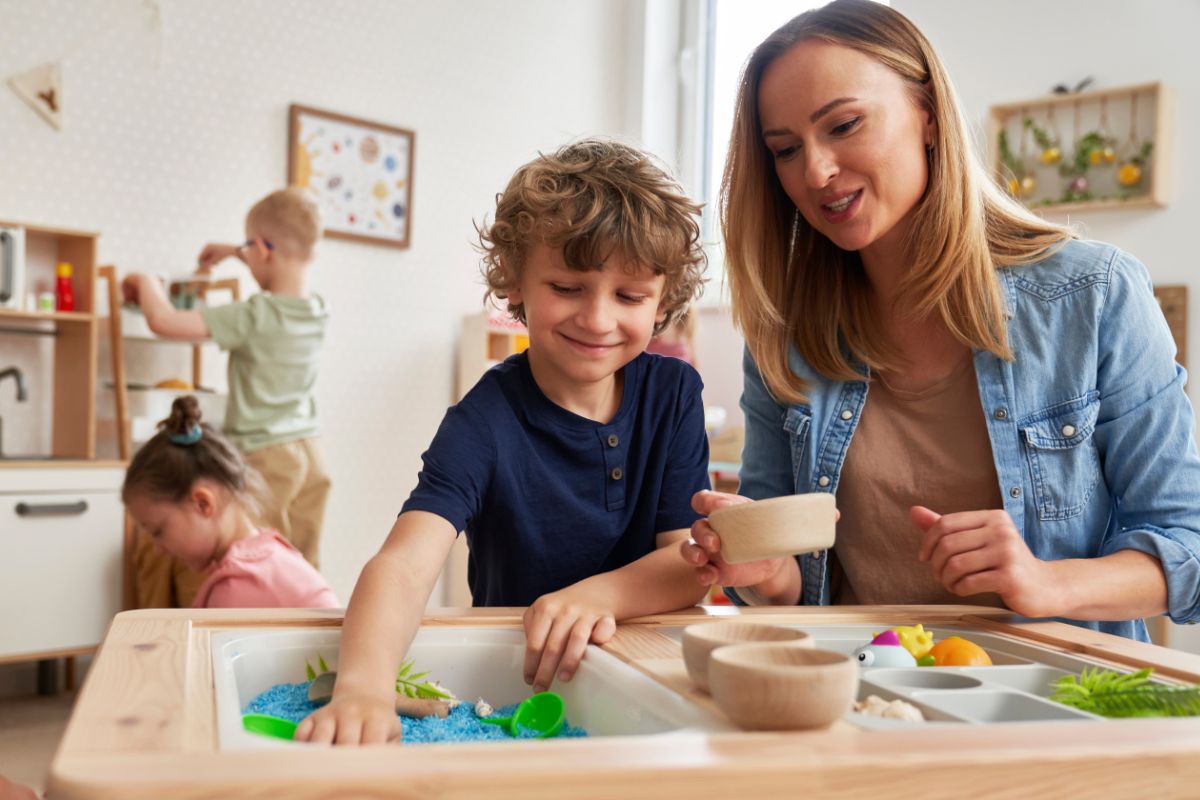
Sensory Play Area: Sensory activities are important for toddler development, as they help refine their senses and motor skills. Set up a sensory bin filled with safe items like rice, pasta, or water beads that your toddler can explore with their hands.
5. Incorporate Movement and Physical Play
 5. Incorporate Movement and Physical Play
Toddlers are always on the go, so it’s important to incorporate activities that encourage physical play and movement. Whether it’s for exercise, balance, or coordination, a toddler-friendly playroom should have space for them to burn off energy.
Ideas for Physical Play:
Climbing structure: If you have the space, consider a small, toddler-friendly climbing structure or a slide. These help improve coordination, balance, and strength.
Soft play mats: A soft mat or cushion area can provide a safe space for jumping, tumbling, or rolling.
Push toys: Toys that your toddler can push or pull around, such as wagons or toy cars, are great for building gross motor skills and strength.
Step 6: Personalize the Playroom
Personalizing the playroom adds an extra layer of warmth and creativity, making it feel like a space that truly belongs to your toddler. Personal touches will also help create a sense of ownership, encouraging your toddler to care for the space.
How to Personalize the Playroom:
Decorate with themes: Choose a theme based on your toddler’s interests, such as animals, space, or rainbows, and use it to inspire the decor.
Artwork: Display your toddler’s artwork or family photos on the walls. Framing some of their creations gives them pride and ownership of the space.
Comfortable furnishings: Add soft pillows, a favorite blanket, or a comfy chair to make the space feel cozy and inviting.
Creating a Safe, Stimulating Space for Toddlers to Thrive
 Creating a Safe, Stimulating Space for Toddlers to Thrive
Setting up an ideal playroom for your toddler is more than just about creating a fun space—it's about fostering growth, creativity, and learning in a safe and organized environment.
By focusing on safety, accessibility, and developmental play, you can create a space that promotes your toddler’s physical, emotional, and cognitive growth.
With a little planning and creativity, your toddler’s playroom can become a place where they thrive and where your family can enjoy countless moments of joy.
Did you find this post useful or inspiring? Save THIS PIN to your PARENTING Board on Pinterest! 😊

You may also like