
How to Use Play to Help Toddlers Process Big Emotions
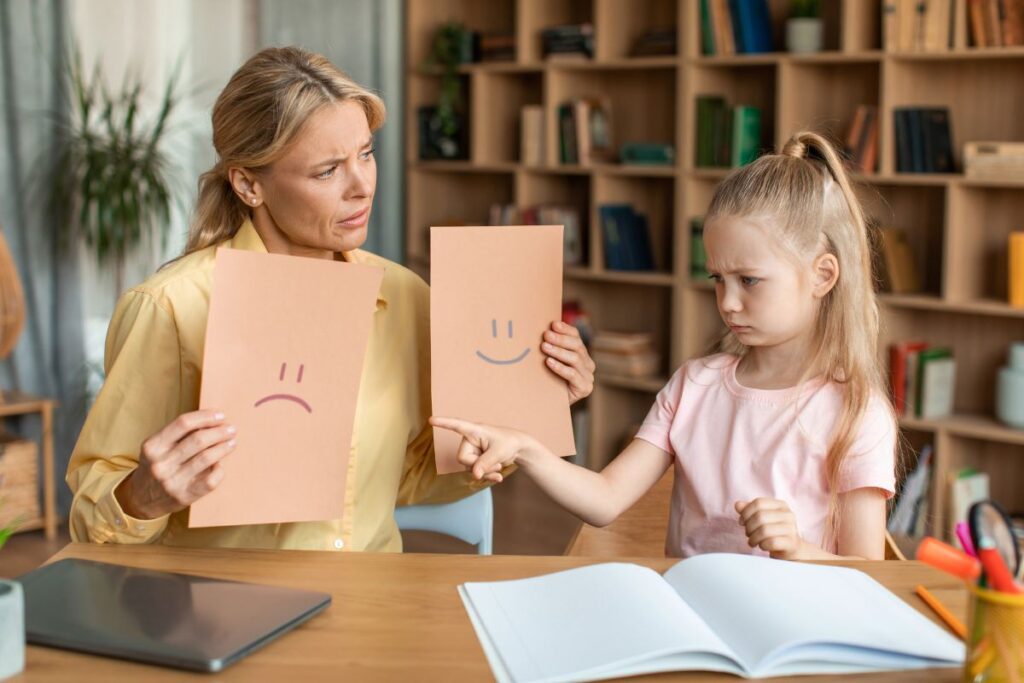
Toddlers are still learning to navigate their emotions, and it can be overwhelming for both them and their caregivers when intense feelings arise.
Play can be a powerful tool for helping toddlers process and manage big emotions in a way that feels natural and supportive.
By using creative, playful activities, parents and caregivers can create a safe space for children to explore their feelings and develop emotional regulation skills.
Why Play is Essential for Emotional Development
Children, especially toddlers, are not yet equipped with the vocabulary or cognitive skills to express their emotions verbally. Instead, they often rely on actions to communicate how they feel.
This is where play becomes incredibly valuable. Play offers toddlers a way to express their emotions, understand complex feelings, and begin to learn how to manage them.
Research shows that play helps children develop emotional resilience, social skills, and a deeper understanding of themselves and others.
During play, toddlers engage in problem-solving, practice empathy, and even work through difficult emotions such as frustration, sadness, or fear.
 Types of Play That Help Toddlers Process Emotions
 Types of Play That Help Toddlers Process Emotions
There are several types of play that can be particularly helpful for toddlers when dealing with big emotions. Here are a few examples:
1. Pretend Play
Pretend play, or imaginary play, is an essential part of a toddler's emotional development. In this type of play, children use their imagination to act out various scenarios, often mimicking the behaviors of adults or exploring different social roles.
Pretend play allows toddlers to explore their emotions in a safe environment. For example, a child might pretend to be a doctor taking care of a sick teddy bear, which could reflect their concerns about a family member or their own health.
Through pretend play, toddlers can make sense of situations that may feel overwhelming or confusing in real life.
2. Art and Creative Play
Drawing, painting, and other creative activities offer toddlers a way to express their feelings without needing to use words. A child who is upset may feel more comfortable creating a picture that represents their emotions rather than explaining them verbally.
Encourage your toddler to use different colors and shapes to represent how they feel. For instance, red might represent anger, while blue could symbolize sadness. This not only helps them express their emotions but also helps them identify and understand them.
3. Sensory Play
 3. Sensory Play
Sensory activities, such as playing with sand, water, or playdough, are excellent for helping toddlers regulate their emotions. These types of activities engage the senses and can have a calming effect.
Sensory play also provides a way for toddlers to channel their energy and focus their attention, which can help them manage feelings of frustration or overwhelm.
You can also use bubbles or squishy toys to help your toddler release tension and regulate their emotions. These activities can serve as a distraction from difficult feelings while also providing a safe outlet for them to express themselves.
4. Movement and Physical Play
Physical play, such as dancing, jumping, or running, is a great way for toddlers to release pent-up energy and process strong emotions. Sometimes, when toddlers are feeling overwhelmed, they need to move their bodies to help calm down.
Engage in physical activities that allow your toddler to express themselves. For example, you can have a dance party where they can move freely to music or set up an obstacle course that encourages them to jump, crawl, or climb.
These activities provide a fun and effective way to manage intense feelings in a healthy way.
How to Incorporate Play into Emotional Processing
 How to Incorporate Play into Emotional Processing
As a parent or caregiver, there are simple and supportive ways to incorporate play into emotional processing:
1. Create a Safe, Non-Judgmental Space
Make sure your toddler feels safe and accepted during playtime. If your child is upset or angry, allow them to express themselves freely without interruptions. Let them know that it’s okay to feel big emotions and that you are there to support them.
2. Be a Play Partner
Join in the play with your toddler. Sometimes, they need your guidance to help them understand how to use play for emotional processing.
You can act out scenarios together, such as playing “doctor” when they are feeling anxious about a visit to the doctor’s office, or role-playing comforting situations when they are upset.
3. Use Play to Talk About Emotions
During play, you can introduce the language of emotions. For example, as you play together, you might say, “It looks like the teddy bear is feeling sad.
What do you think would help him feel better?” This helps your toddler build a vocabulary for expressing their feelings, making it easier for them to communicate their emotions in the future.
4. Model Healthy Emotional Responses
 4. Model Healthy Emotional Responses
When you play, demonstrate how to manage emotions in healthy ways. If you’re playing a game and something doesn’t go as planned, show your toddler that it’s okay to be frustrated but that you can try again or find a solution.
By modeling emotional resilience, you teach your toddler that it’s normal to feel upset, but it’s important to know how to cope with those feelings.
Supporting Toddlers Through Playful Emotional Growth
By integrating play into your toddler's daily routine, you can help them process their emotions in a way that is both fun and educational. Play is more than just a distraction—it’s a powerful tool for emotional growth and self-regulation.
As a parent or caregiver, you are providing your toddler with the opportunity to build essential emotional skills that will benefit them throughout their lives.
The key is to create a safe, nurturing environment where your toddler feels comfortable expressing and managing their emotions. With your support, they can learn to navigate the ups and downs of life with confidence and resilience.
Did you find this post useful or inspiring? Save THIS PIN to your PARENTING Board on Pinterest! 😊


You may also like