
Innovative Childcare Models Inspired by Scandinavian Approaches

When it comes to childcare, Scandinavian countries are often regarded as pioneers in creating systems that focus on the well-being of both children and parents.
Their emphasis on equality, flexible work-life balance, and education has led to innovative models that have influenced the global approach to early childhood care.
In this article, we explore the unique aspects of Scandinavian childcare models and how they have contributed to better outcomes for families.
The Core Principles of Scandinavian Childcare
Scandinavian countries like Sweden, Denmark, and Norway are known for their progressive views on childcare, which prioritize both the child’s development and the parent's role in their upbringing. These models are based on several core principles:
Child-Centered Care: Scandinavian childcare systems place a strong focus on the development of children in a nurturing, supportive environment.
Children are encouraged to learn at their own pace, with a focus on fostering creativity, emotional intelligence, and independence.
Parental Involvement: Parents play a crucial role in the childcare process. Scandinavian countries offer generous parental leave policies, allowing both mothers and fathers to spend time at home with their children during the formative years.
This commitment to parental involvement helps to strengthen family bonds and create a more balanced approach to childcare.
Equality and Accessibility: A key feature of Scandinavian childcare is its focus on equality. Childcare services are widely accessible to all families, regardless of income.
The government heavily subsidizes childcare programs, ensuring that all children have access to quality care and education from an early age.
 Generous Parental Leave Policies: A Scandinavian Advantage
 Generous Parental Leave Policies: A Scandinavian Advantage
One of the most significant innovations in Scandinavian childcare models is the generous parental leave policies. In countries like Sweden and Norway, parents are entitled to extended leave periods that can be shared between both the mother and father.
In Sweden, for example, parents can share up to 480 days of paid parental leave, with about 90% of their salary covered.
This extensive parental leave policy allows parents to bond with their child, while also offering them the flexibility to return to work when they feel ready.
It also encourages shared responsibility in raising children, helping to reduce gender inequality in the home and workplace. Fathers, in particular, are strongly encouraged to take parental leave, which helps promote a more equal division of labor at home.
Daycare and Preschool: A Focus on Social Development
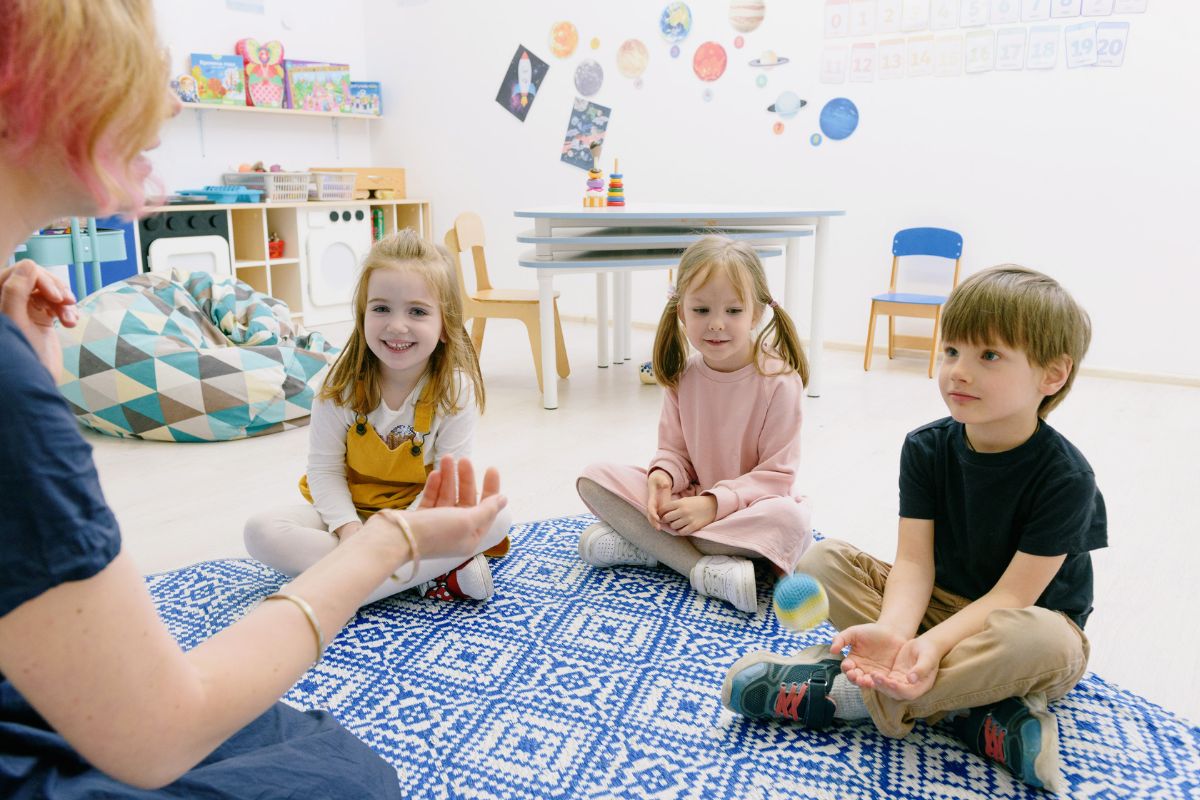
In Scandinavian countries, daycare and preschool education play an essential role in preparing children for the future. Rather than focusing solely on academic learning, Scandinavian preschools prioritize social skills, emotional intelligence, and creative development. Children are encouraged to engage in cooperative play, explore their surroundings, and express their emotions in a safe, supportive environment.
Outdoor Learning: Many Scandinavian preschools, especially in Norway, incorporate outdoor learning into their daily routines. Children spend a significant amount of time in nature, exploring the environment, engaging in physical activity, and learning through hands-on experiences.
This approach not only promotes physical health but also helps children develop a deep connection with nature.
Play-Based Learning: Instead of a rigid academic curriculum, Scandinavian childcare models emphasize play-based learning. Play is seen as an essential way for children to develop problem-solving skills, social interactions, and creativity.
Educators create environments where children can explore various materials and activities, allowing them to learn through their own interests and curiosities.
Work-Life Balance: Supporting Families through Flexibility
 Work-Life Balance: Supporting Families through Flexibility
One of the most remarkable aspects of Scandinavian childcare is its focus on supporting work-life balance.
Parents in countries like Denmark and Sweden are not only given generous parental leave but also benefit from flexible work schedules and high-quality childcare options.
Flexible Work Hours: In many Scandinavian countries, parents have access to flexible work hours, allowing them to balance their professional and personal lives more effectively.
This flexibility enables both parents to participate more fully in their child's life, while also maintaining a successful career.
Affordable Childcare: High-quality childcare is affordable and accessible to all families in Scandinavia. The government heavily subsidizes childcare programs, and parents pay a sliding fee based on their income.
This ensures that no child is excluded from receiving quality care, regardless of their family’s financial situation.
Long-Term Benefits: A Holistic Approach to Child Development
 Long-Term Benefits: A Holistic Approach to Child Development
The benefits of Scandinavian childcare models extend far beyond the early years. Research has shown that children who experience high-quality care in their formative years are more likely to succeed in school, develop strong social and emotional skills, and experience better long-term health outcomes.
Academic Success: Studies have found that children who attend quality preschools in Scandinavia perform better in school and are more likely to pursue higher education.
This success comes from a whole-child approach to early education, which builds curiosity, problem-solving and critical thinking from a young age.
Social Well-Being: Scandinavian childcare models place a significant emphasis on social well-being.
By encouraging cooperative play, fostering communication skills, and emphasizing emotional intelligence, children are better equipped to handle social situations and develop positive relationships as they grow.
Workforce Participation: The generous parental leave and affordable childcare systems in Scandinavian countries have also helped increase workforce participation, particularly among women.
With the support of flexible work options and affordable childcare, parents are able to return to work without sacrificing their family responsibilities.
Reimagining Childcare: Lessons for the World
 Reimagining Childcare: Lessons for the World
The Scandinavian approach to childcare offers valuable lessons for other countries looking to improve their childcare systems.
By prioritizing the needs of children, supporting families through generous parental leave and flexible work arrangements, and making quality childcare accessible to all, Scandinavian countries have created models that support long-term social and economic well-being.
Other nations can learn from these successful models and consider how to adapt them to their own cultural and economic contexts.
Emphasizing work-life balance, affordable childcare, and parental involvement can help create stronger families, a more engaged workforce, and healthier, happier children.
The Future of Childcare Is Inspired by Equality and Balance
 The Future of Childcare Is Inspired by Equality and Balance
Scandinavian childcare models are more than just a collection of policies; they represent a commitment to family values, equality, and children’s development.
By offering a well-rounded approach to childcare that supports both kids and parents, these countries have built a system that cares for future generations and also promotes social and economic equality.
As more countries begin to recognize the importance of family-centered policies, we can look forward to a future where childcare is accessible, equitable, and supportive of all families.
Did you find this post useful or inspiring? Save THIS PIN to your PARENTING Board on Pinterest! 😊



You may also like