
Introducing Chores to Your Child: Age-Appropriate Task Ideas
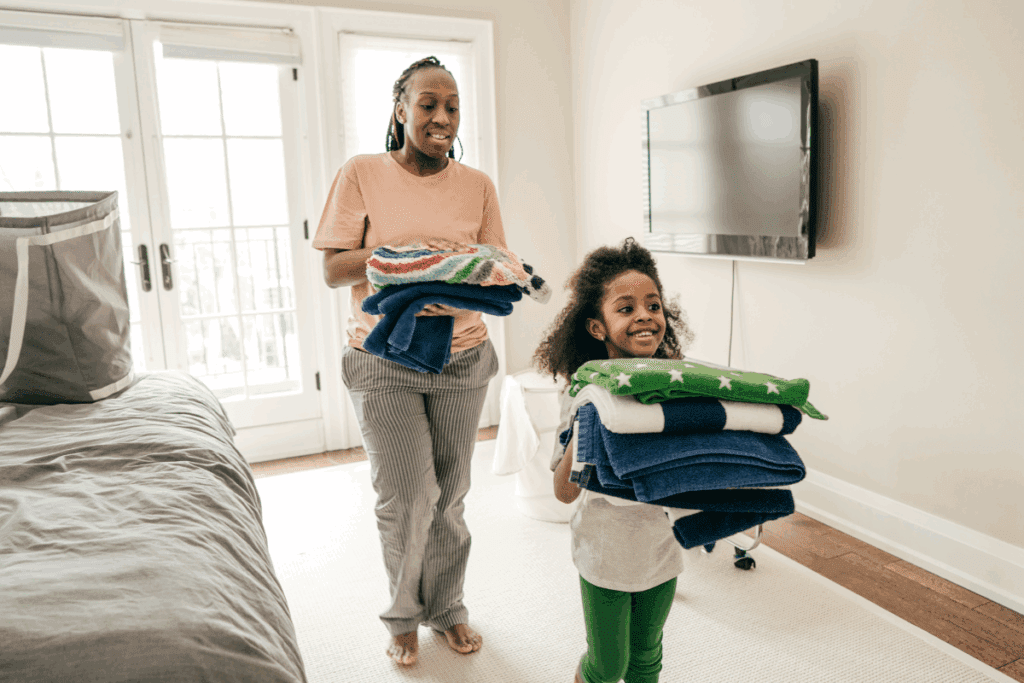
As parents, one of the most important things we can do for our children is to teach them responsibility. One effective way to do this is by introducing chores at an early age.
Not only do chores help children develop a sense of responsibility, but they also teach valuable life skills such as time management, teamwork, and problem-solving.
In this article, we’ll explore age-appropriate chores for children and provide task ideas that suit their developmental stage.
Why Should Children Do Chores?
Introducing chores to your child is more than just about keeping the house clean. The process of completing tasks around the house offers a variety of developmental benefits, including:
Building Responsibility: Children learn that they are part of a family team and that they contribute to the household.
Fostering Independence: Chores help children become more independent by giving them a sense of control over their environment.
Developing a Strong Work Ethic: When kids are given age-appropriate chores, they learn that hard work pays off, and they begin to take pride in their efforts.
Teaching Time Management: Completing chores teaches children how to balance tasks, prioritize, and manage their time effectively.
Enhancing Cooperation: Working together on household tasks helps children learn how to collaborate with others.
 Age-Appropriate Chores for Children
 Age-Appropriate Chores for Children
Chores for Toddlers (Ages 2-3)
While toddlers are still developing motor skills, they can begin to take on simple chores. The key to assigning chores at this stage is simplicity and supervision. Here are some chores that toddlers can help with:
Pick up toys: Toddlers can be encouraged to put their toys away after playtime. This teaches them about organization and responsibility.
Wipe down surfaces: Use a small, soft cloth and let your toddler help wipe down low tables or counters.
Place dirty clothes in the laundry basket: Show them how to put their clothes in the laundry basket after changing.
Help feed pets: If you have pets, toddlers can help scoop food into the pet’s bowl.
Put away books: Toddlers can assist in putting away books after reading time.
At this age, make sure the tasks are short, manageable, and designed to foster a sense of accomplishment rather than perfection.
Chores for Preschoolers (Ages 4-5)
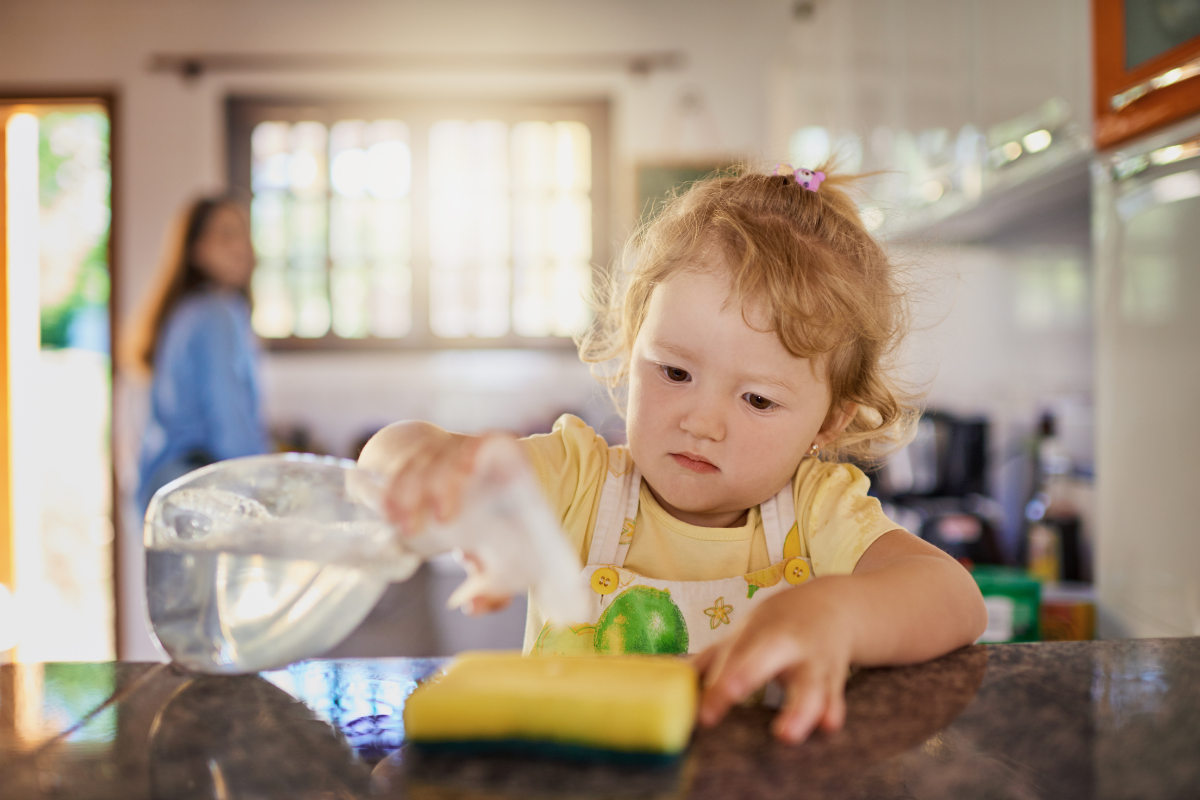 Chores for Preschoolers (Ages 4-5)
As children grow, their motor skills and attention span improve, allowing them to take on a few more responsibilities. Preschoolers can do basic chores independently with some guidance. Here are some task ideas:
Set the table: Preschoolers can help set out placemats, napkins, and utensils.
Water plants: With a child-sized watering can, your preschooler can help water indoor plants or flowers outside.
Make their bed: While not perfect, encouraging your child to arrange their pillows and blanket helps them develop a sense of order.
Sort laundry: Ask your preschooler to help sort socks, fold towels, or match items together.
Help with sweeping: They can use a child-sized broom to help sweep crumbs or small messes from the floor.
These chores not only promote responsibility but also allow your preschooler to feel like an active participant in the family’s daily activities.
Chores for Early Elementary Kids (Ages 6-8)
By the time children reach the ages of 6 to 8, they have the skills to take on more complex chores. They can follow simple instructions and understand the importance of completing tasks. Here are some chores they can handle:
Make their own breakfast: Children can start preparing easy meals such as cereal, toast, or fruit with minimal supervision.
Vacuum: A lightweight vacuum cleaner can allow children to clean up small messes in the living room or other areas.
Take out the trash: Children can help collect the trash and take it to the outside bin.
Help with meal prep: Early elementary kids can assist in washing vegetables, stirring ingredients, or setting the timer for cooking.
Organize their room: At this stage, children should be able to keep their room organized by putting away clothes, toys, and books.
As kids get older, they are more capable of managing responsibility, and giving them regular chores helps them develop a solid work ethic.
Chores for Tweens (Ages 9-12)
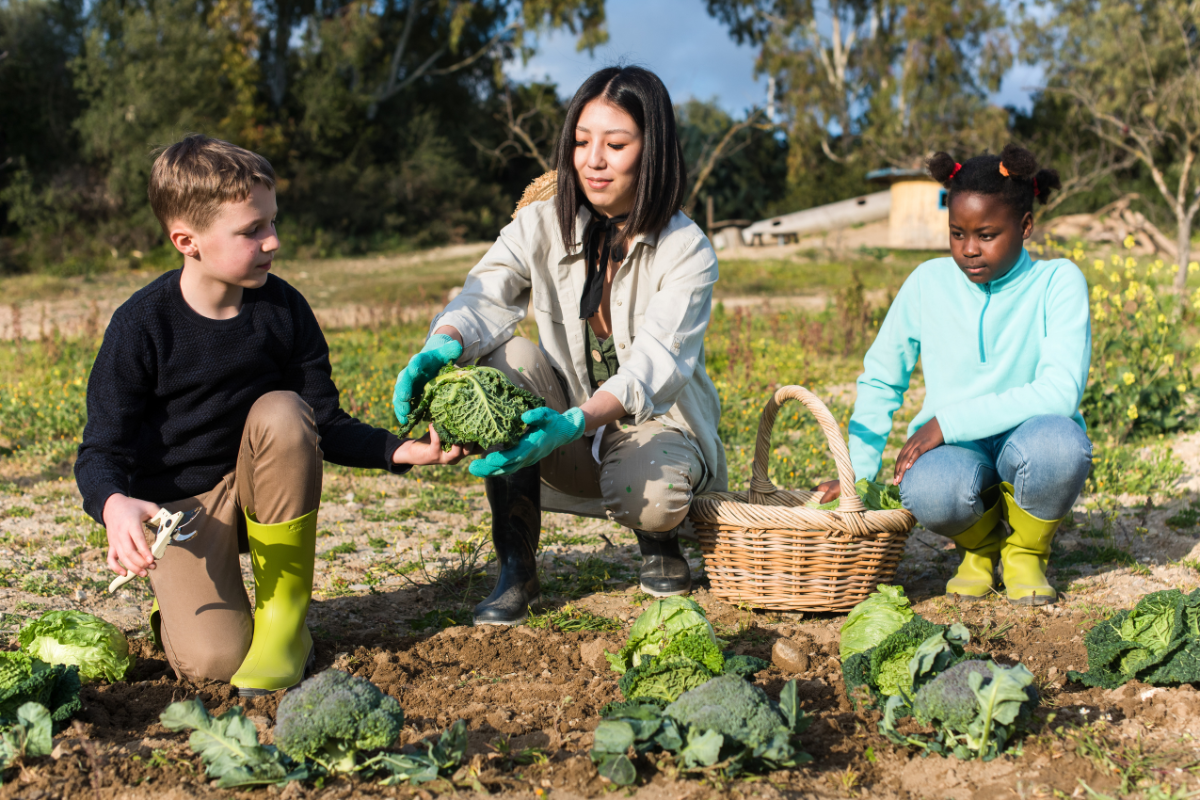 Chores for Tweens (Ages 9-12)
As children enter the tween years, they are ready to take on more responsibility and independence. They can handle more involved tasks and should be encouraged to take pride in their contributions to the household. Here are some chores for tweens:
Load and unload the dishwasher: Tweens can help with washing and drying dishes or putting them in the dishwasher and unloading them when done.
Clean the bathroom: Older children can be responsible for cleaning sinks, mirrors, and wiping down surfaces in the bathroom.
Fold and put away laundry: Tweens can take on the task of folding clothes and putting them in drawers or closets.
Mow the lawn: With supervision, tweens can start mowing the lawn or using a weed whacker to tidy up the yard.
Take care of pets: Tweens can be responsible for feeding pets, cleaning their cages, and taking them for walks.
At this age, tweens are becoming more capable of completing tasks without constant supervision, and their involvement in household chores helps reinforce their role in the family.
Chores for Teens (Ages 13+)
By the time children reach their teen years, they should be fully capable of handling adult-level chores and contributing significantly to household maintenance. Teenagers are more independent and can handle tasks that require more time and effort. Here are some chores appropriate for teens:
Cook meals: Teens can take on the responsibility of cooking dinner or preparing family meals, with the occasional supervision if needed.
Clean the garage or basement: At this age, teens can help clean out cluttered spaces or organize the garage or basement.
Do the grocery shopping: Teens can create a grocery list, plan meals, and even help with grocery shopping.
Take on home maintenance: Teens can be responsible for regular maintenance tasks, such as changing light bulbs, checking smoke detectors, or handling simple home repairs.
Manage their own schedules: Teens should be able to manage their own appointments, homework schedules, and extracurricular activities.
Teens can play an important role in the household and should be treated as contributing members of the family. Giving them important chores teaches them valuable life skills they’ll need as they move into adulthood.
Tips for Success: Making Chores a Positive Experience
 Tips for Success: Making Chores a Positive Experience
While assigning chores is essential, it’s important to make the process fun and engaging for your child. Here are some tips to help ensure your child develops a positive attitude toward chores:
Create a Chore Chart
A chore chart can be a great way to organize tasks and hold children accountable. Use visual aids, like stickers or checkboxes, to help track progress. This gives your child a sense of accomplishment as they check off completed tasks.
Make it a Family Activity
When possible, turn chores into family activities. Tackle larger tasks like deep cleaning or yard work together. This promotes teamwork and makes chores feel less like a burden.
Provide Praise and Rewards
Positive reinforcement is key. Celebrate your child’s effort, even if the task isn’t completed perfectly. Offer praise or small rewards to motivate them, reinforcing that their contributions are valued.
Keep it Age-Appropriate
Remember to adjust the difficulty of chores based on your child’s age and abilities. Giving them manageable tasks helps them feel competent and successful, which boosts their confidence.
Conclusion
Introducing chores to your child is an excellent way to teach responsibility and valuable life skills. From toddlers to teens, there are age-appropriate chores that can help children feel like active participants in the household.
By fostering a sense of independence, accountability, and teamwork, you’ll raise a child who understands the importance of contributing to the family while also preparing them for the challenges of adulthood.
Make chores a positive experience by keeping tasks simple, providing rewards, and offering plenty of praise along the way.
Did you find this post useful or inspiring? Save THIS PIN to your PARENTING Board on Pinterest! 😊

You may also like