
Parenting Tips for Raising Empathetic and Compassionate Children
As parents, one of the most valuable gifts we can give our children is the ability to empathize and show compassion towards others.
In a world that can sometimes feel divided, teaching our children to understand and care for others is essential for their emotional and social development.
Raising empathetic and compassionate children not only benefits their relationships but also creates a positive impact on the world around them.
In this article, we’ll explore practical parenting tips to help nurture these important qualities in your child.
Why Empathy and Compassion Matter
Empathy is the ability to understand and share the feelings of another, while compassion takes it a step further by motivating a person to take action to alleviate others’ suffering.
Together, these qualities are vital for building strong social bonds, promoting kindness, and encouraging moral development. Empathetic children are more likely to become caring and respectful adults who contribute to their communities with kindness.
 The Benefits of Raising Empathetic and Compassionate Children
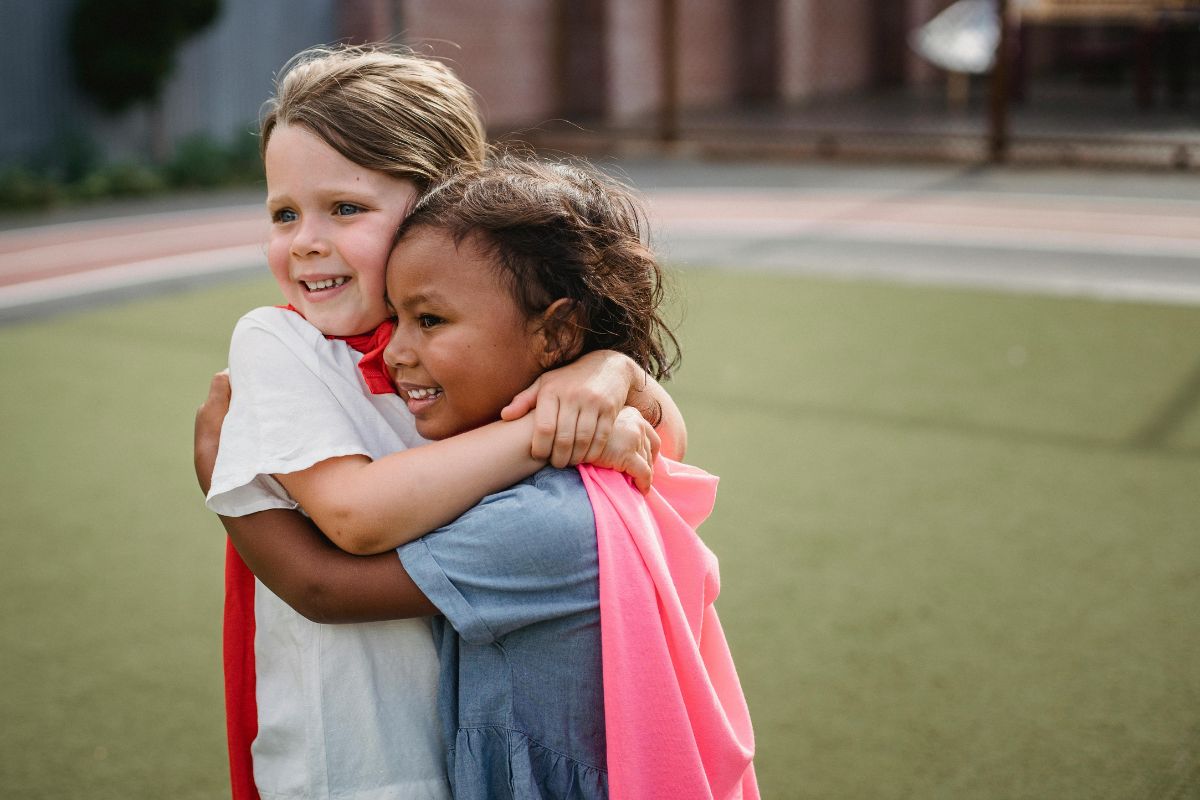 The Benefits of Raising Empathetic and Compassionate Children
Children who are taught empathy and compassion tend to have stronger emotional intelligence, better conflict resolution skills, and more fulfilling relationships. By understanding others’ perspectives, they learn to approach situations with patience and respect.
Additionally, empathetic children often demonstrate better mental health, as they are more in tune with their own feelings and the emotions of others.
Compassionate children are also more likely to engage in acts of kindness, creating a ripple effect that influences those around them.
Practical Tips for Raising Empathetic and Compassionate Children
Raising empathetic and compassionate children requires intentional parenting practices that model, teach, and reinforce these values. Here are some practical tips that can make a difference.
1. Model Empathy and Compassion
Children learn by example, so the first step in raising an empathetic and compassionate child is to model these behaviors yourself.
When they see you being empathetic to others—whether it’s listening attentively, comforting a friend, or offering help—they will learn how to do the same.
Modeling empathy in your daily life demonstrates to your child that caring for others is a normal and valued behavior.
How to Model Empathy:
 How to Model Empathy:
Listen actively to your child and others.
Express your feelings and show empathy when discussing emotions.
Show compassion towards others, including strangers and animals.
2. Encourage Perspective-Taking
Teaching your child to consider the perspectives of others is key to developing empathy. Encouraging them to think about how someone else might feel in a situation helps them understand different viewpoints and emotions.
This is particularly important during conflicts or disagreements, where perspective-taking can lead to more peaceful resolutions.
How to Encourage Perspective-Taking:
Ask open-ended questions like, "How do you think your friend felt when that happened?"
Use stories or books that showcase different perspectives and discuss the characters’ feelings.
Play role-playing games where your child has to take on different roles and viewpoints.
3. Teach Emotional Literacy
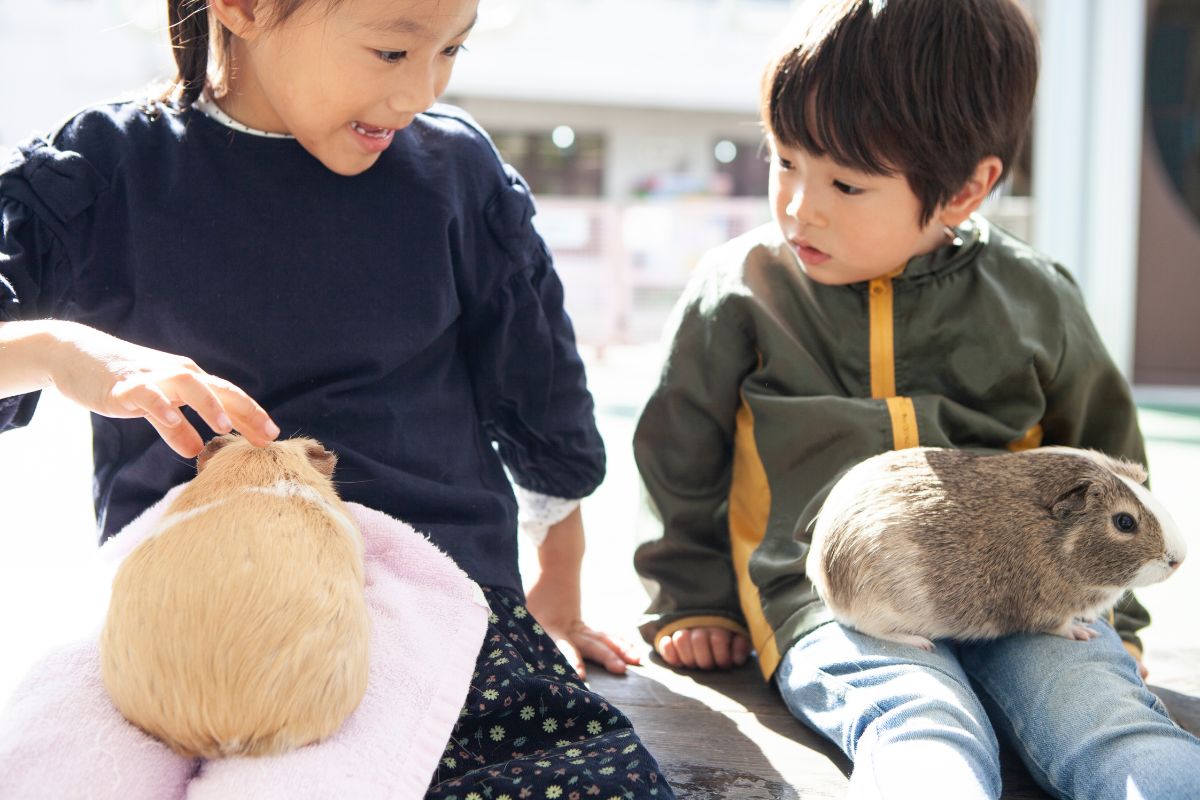 3. Teach Emotional Literacy
One of the building blocks of empathy is emotional literacy—the ability to recognize and express one’s emotions. By helping your child identify and name their emotions, you give them the tools to understand how they are feeling and how others might feel in different situations.
Emotional awareness helps children develop a deeper understanding of their own emotional landscape, which is essential for empathizing with others.
How to Teach Emotional Literacy:
Use books or stories to explore different emotions and discuss how characters might feel.
Encourage your child to talk about their emotions by asking questions like, "How did that make you feel?"
Help your child label emotions (e.g., happy, sad, frustrated, excited) and explain what each one means.
4. Praise Empathetic and Compassionate Actions
Positive reinforcement is a powerful tool in shaping behavior. When your child demonstrates empathy or compassion, be sure to praise them for it.
This encourages them to continue engaging in empathetic behavior and helps them understand the positive impact their actions have on others.
 How to Praise Empathetic and Compassionate Actions:
Acknowledge when your child comforts a friend or helps someone in need. Say things like, "That was so kind of you to help your friend feel better!"
Reinforce how their actions positively impacted others, such as, "Your kind words really made your brother happy."
Celebrate acts of empathy in both small and big ways, such as offering a hug to a classmate or donating toys to a charity.
5. Create Opportunities for Empathy-Building Activities
Provide your child with opportunities to practice empathy in real-life situations. This can include volunteering, helping a neighbor, or simply being there for a friend in need.
Activities like these allow children to directly experience the rewards of compassionate action and deepen their understanding of others’ needs.
How to Create Empathy-Building Activities:
Volunteer as a family at a local charity, food bank, or animal shelter.
Encourage your child to help a friend who is going through a tough time or comfort a sibling who is upset.
Discuss ways they can make a difference in their community, like helping an elderly neighbor with their groceries.
6. Teach Conflict Resolution Skills
 6. Teach Conflict Resolution Skills
Empathy plays a key role in resolving conflicts peacefully. Teaching your child how to listen, understand others’ feelings, and find common ground during disagreements helps them handle conflicts with compassion and respect.
Conflict resolution is a skill that will serve your child well in all areas of their life.
How to Teach Conflict Resolution:
Encourage your child to express their feelings calmly and listen to the feelings of others.
Teach them to take a deep breath and think before reacting.
Guide your child in finding win-win solutions that consider the needs of all parties involved.
The Lasting Impact of Empathetic Parenting
In conclusion, raising empathetic and compassionate children is one of the most important gifts we can give them. By modeling empathetic behaviors, encouraging perspective-taking, and teaching emotional literacy, we can help our children develop a deep understanding of others' feelings and needs.
These qualities will not only help them form stronger relationships but will also guide them to become compassionate, kind-hearted individuals who make a positive impact on the world. Parenting with empathy is an investment in a brighter, more connected future for your child and society as a whole.
Did you find this post useful or inspiring? Save THIS PIN to your PARENTING Board on Pinterest! 😊

You may also like