
Positive Discipline Tips Every Parent Should Know

Discipline doesn’t have to mean punishment. In fact, positive discipline focuses on teaching, not punishing, helping kids learn self-control, responsibility, and respect.
It’s about guiding behavior with empathy and structure—and it works.
What Is Positive Discipline?
Positive discipline is a parenting approach that emphasizes encouragement, clear expectations, and mutual respect. It teaches children how to behave appropriately while building strong parent-child relationships.
Unlike traditional discipline, which often relies on fear or punishment, positive discipline:
- Builds long-term behavior skills
- Encourages internal motivation rather than external fear
- Maintains dignity for both parent and child
Why Positive Discipline Works
Children need structure, but they also need connection. Positive discipline strikes a balance:
- Firm: Sets consistent limits
- Kind: Responds with empathy
- Respectful: Treats children as capable learners
This approach helps kids feel safe, understood, and motivated to do better—not just behave to avoid consequences.
Tip #1: Set Clear, Age-Appropriate Expectations
Children can’t follow rules they don’t understand. Be clear and keep it simple:
- Use short, specific instructions: "Walk inside" instead of "Stop that."
- Explain the why: "We use gentle hands so no one gets hurt."
- Repeat and model often
Bonus Tip:
Make rules visual for younger kids. Use pictures or simple charts to show routines.
Tip #2: Stay Calm and Consistent
Your tone sets the tone. When you stay calm, your child is more likely to respond calmly too.
- Avoid yelling or reacting in anger
- Use a neutral voice and body language
- Be consistent with boundaries and consequences
Consistency builds trust. Your child learns what to expect and what’s expected of them
 Tip #3: Use Natural and Logical Consequences
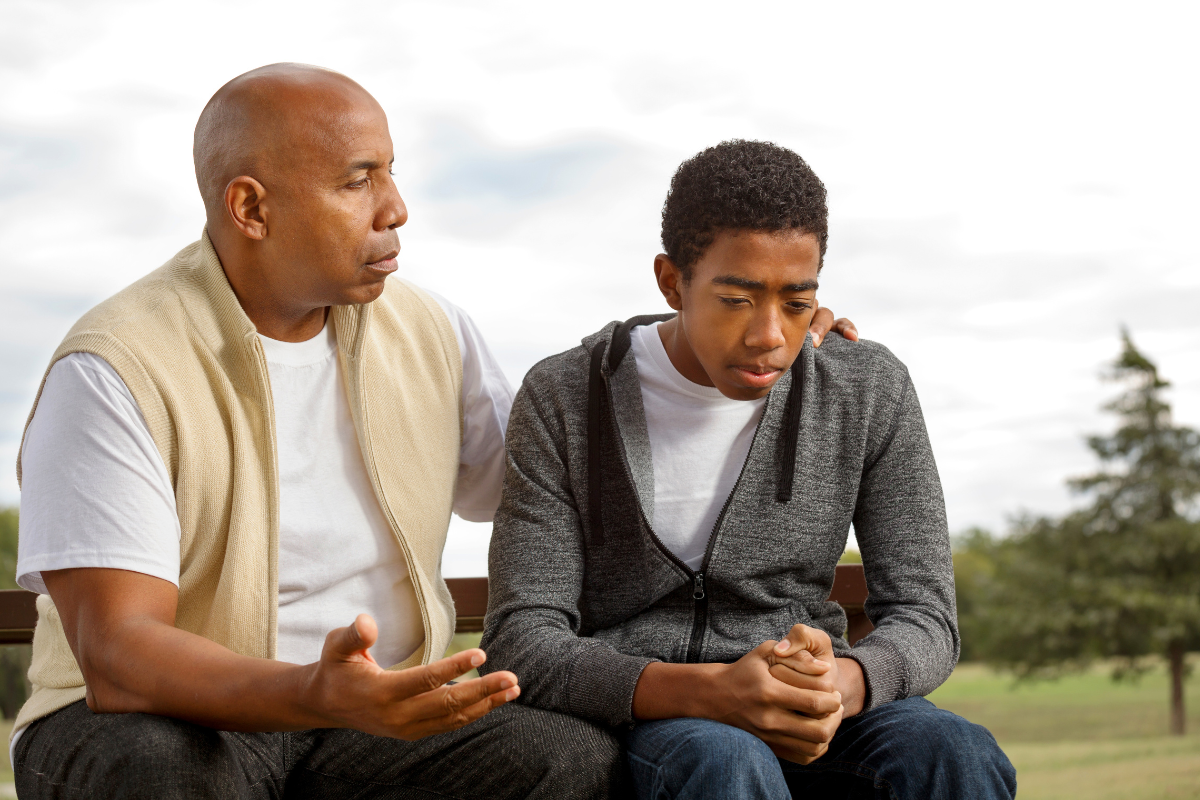 Tip #3: Use Natural and Logical Consequences
Instead of punishment, let kids learn from the results of their actions:
- Natural consequence: A child who refuses to wear a coat feels cold
- Logical consequence: If toys aren’t cleaned up, they’re put away for the day
Make sure consequences are related, respectful, and reasonable.
Tip #4: Focus on Solutions, Not Blame
Shift from "What did you do?" to "How can we fix this?"
Involving your child in problem-solving teaches responsibility. Ask:
- "What happened?"
- "What can we do differently next time?"
- "How can we make it right?"
This builds critical thinking and self-regulation.
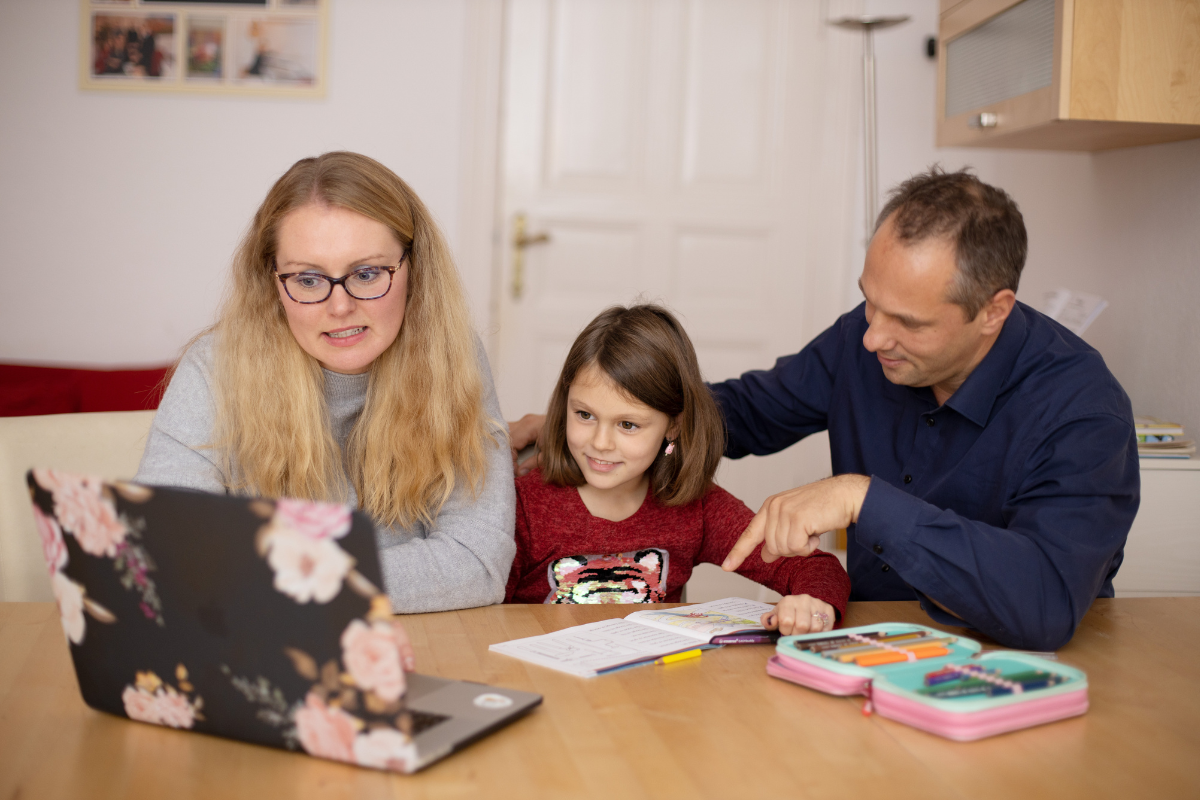
Tip #5: Catch Good Behavior
Positive reinforcement works. When you notice and name the behavior you want to see, kids repeat it.
- Say: "I noticed you shared your toy. That was kind."
- Avoid vague praise like "Good job"; be specific
Reinforce effort, not just results: "You worked hard on that puzzle!"
Tip #6: Offer Limited Choices
Giving kids choices helps them feel in control while staying within boundaries.
- Offer 2-3 acceptable options: "Do you want to brush teeth first or put on pajamas?"
- Avoid open-ended or unlimited choices
This reduces power struggles and builds decision-making skills.
Tip #7: Use Time-In Instead of Time-Out
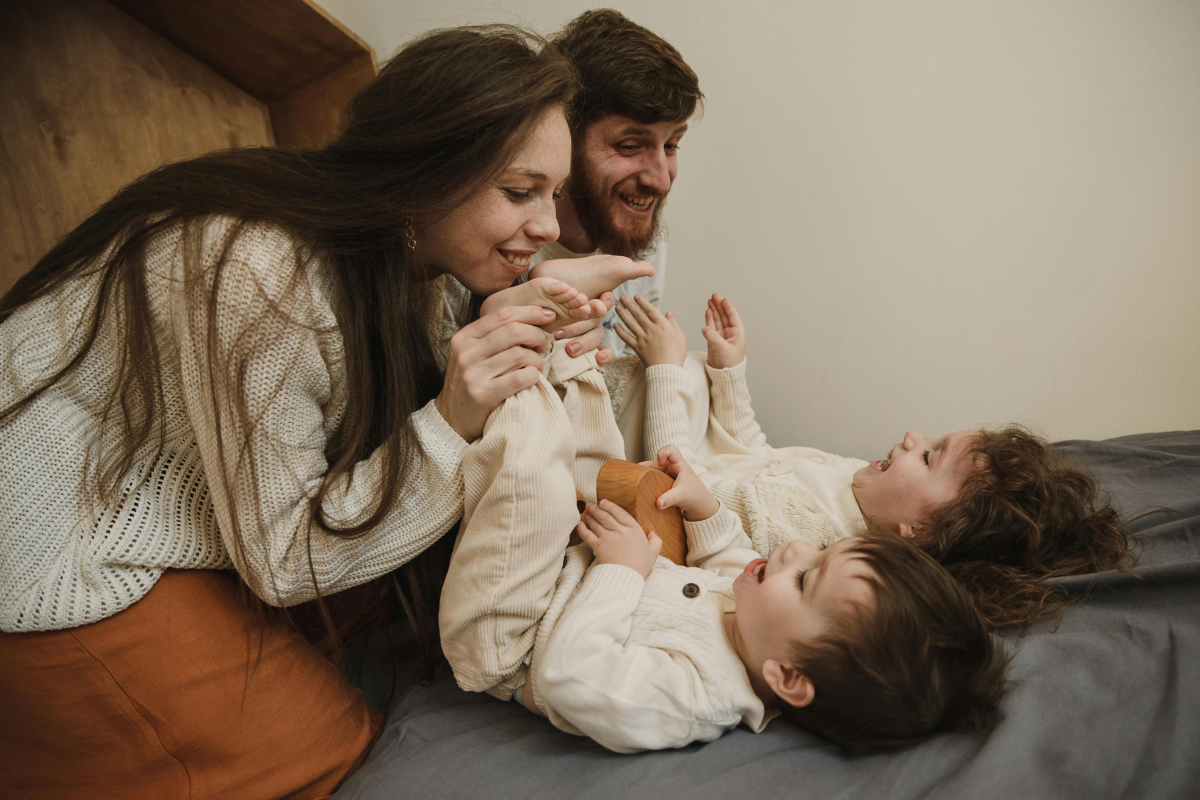 Tip #7: Use Time-In Instead of Time-Out
Instead of isolating a child for misbehavior, invite them to reconnect:
- Sit together quietly
- Talk about feelings and what happened
- Offer a hug or soothing activity
A time-in strengthens your bond and helps kids calm down in a supportive space.
Tip #8: Be a Role Model
Children learn more from what we do than what we say. Show them how to handle frustration, apologize, and take responsibility.
- Use respectful language
- Admit mistakes and show how to fix them
- Stay patient, even when it’s hard
Model the behavior you want to see.
Tip #9: Create Routines and Predictability
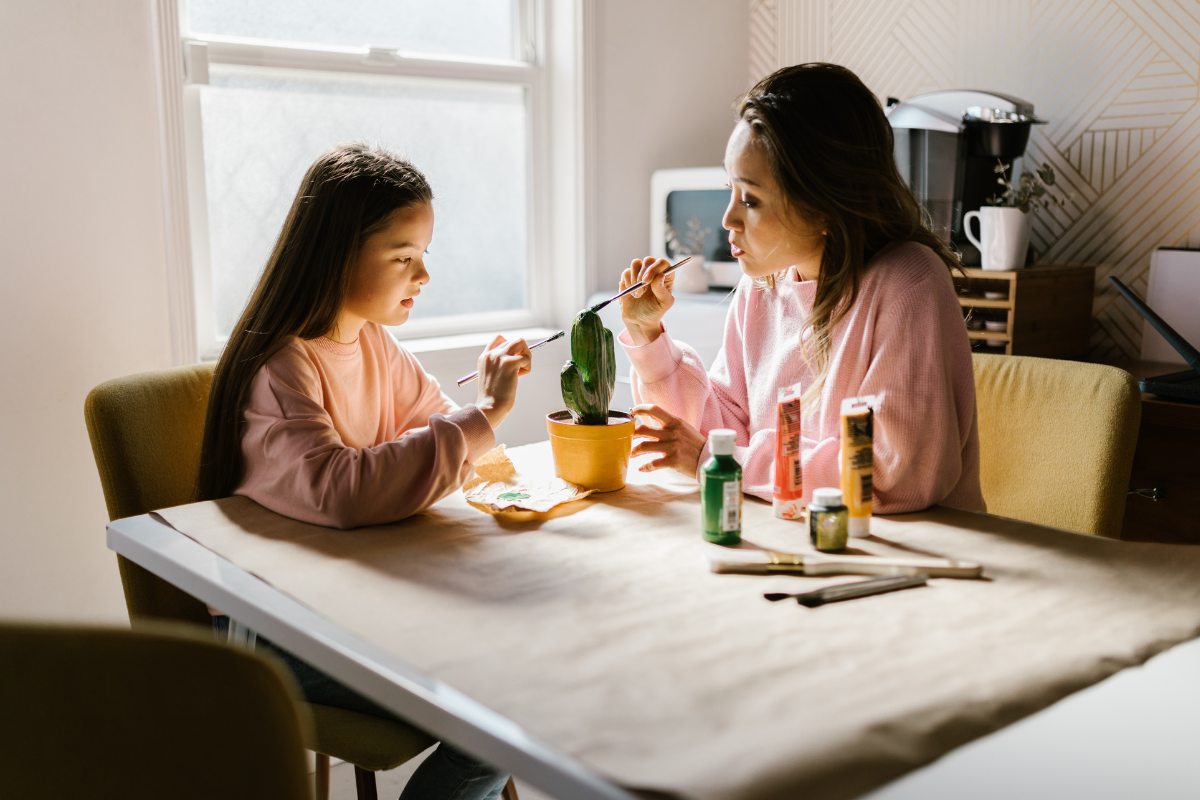 Tip #9: Create Routines and Predictability
Routines help kids know what to expect, which reduces anxiety and misbehavior.
- Keep meal, bedtime, and play schedules consistent
- Use visual cues or songs for transitions
- Prepare kids in advance for changes
Predictable structure gives kids a sense of safety and control.
Tip #10: Show Empathy Before Correction
When a child acts out, start with empathy. This opens the door to teaching.
- "You’re really upset. I get it. Let’s talk."
- "It’s hard when things don’t go your way. I’m here to help."
Acknowledging feelings doesn’t excuse behavior—it builds connection and cooperation.
Final Thoughts
Positive discipline takes patience and practice, but it leads to stronger relationships, better behavior, and emotionally healthy kids. Instead of control, it offers guidance. Instead of punishment, it offers growth.
Every parent makes mistakes. What matters is learning, adjusting, and staying committed to raising respectful, resilient humans with kindness and clarity.
Did you find this post useful or inspiring? Save THIS PIN to your PARENTING Board on Pinterest! 😊

You may also like