
The Benefits of Breastfeeding: What New Parents Should Know

For many new parents, choosing how to feed a baby can feel like one of the first big decisions. While every family is unique and feeding choices are personal, breastfeeding offers many powerful benefits for both babies and parents.
Understanding these advantages can help you feel more confident, supported, and prepared as you begin your parenting journey.
Nutritional and Health Benefits for Baby
The Perfect First Food
Breast milk is often referred to as nature’s perfect baby food. It contains the ideal mix of proteins, fats, vitamins, and antibodies tailored specifically for your baby’s needs. This dynamic food actually changes composition to suit your baby’s age and development.
Unlike formula, which is consistent, breast milk adapts—colostrum, the early milk produced in the first few days after birth, is rich in antibodies and nutrients.
As your baby grows, your milk evolves to continue meeting their nutritional demands.
Immune System Protection
One of the biggest advantages of breastfeeding is the immune protection it provides. Breast milk is loaded with antibodies that help fight infections, including ear infections, respiratory illnesses, diarrhea, and more.
Studies show that breastfed babies often experience fewer hospitalizations and illnesses during infancy.
Additionally, breastfeeding may lower the risk of developing chronic conditions later in life, such as asthma, obesity, and type 2 diabetes. It also supports the development of a healthy gut microbiome, which plays a key role in immunity and digestion.
 Promotes Brain Development
 Promotes Brain Development
Research suggests that breastfed babies tend to score slightly higher on cognitive development tests. The presence of DHA (docosahexaenoic acid)—a fatty acid found in breast milk—is believed to play an important role in brain growth and function.
Health Benefits for Parents
Physical Recovery and Healing
Breastfeeding stimulates the release of oxytocin, a hormone that helps the uterus contract after birth, reducing postpartum bleeding and aiding recovery. Many parents also find that breastfeeding helps them return to their pre-pregnancy weight more easily, as it burns extra calories.
Reduced Risk of Certain Diseases
Long-term breastfeeding is linked to a lower risk of breast and ovarian cancers, as well as a reduced chance of developing type 2 diabetes and heart disease.
These health benefits are often overlooked but offer important reasons to consider breastfeeding not just for baby, but for parental wellness too.
Emotional Connection and Bonding
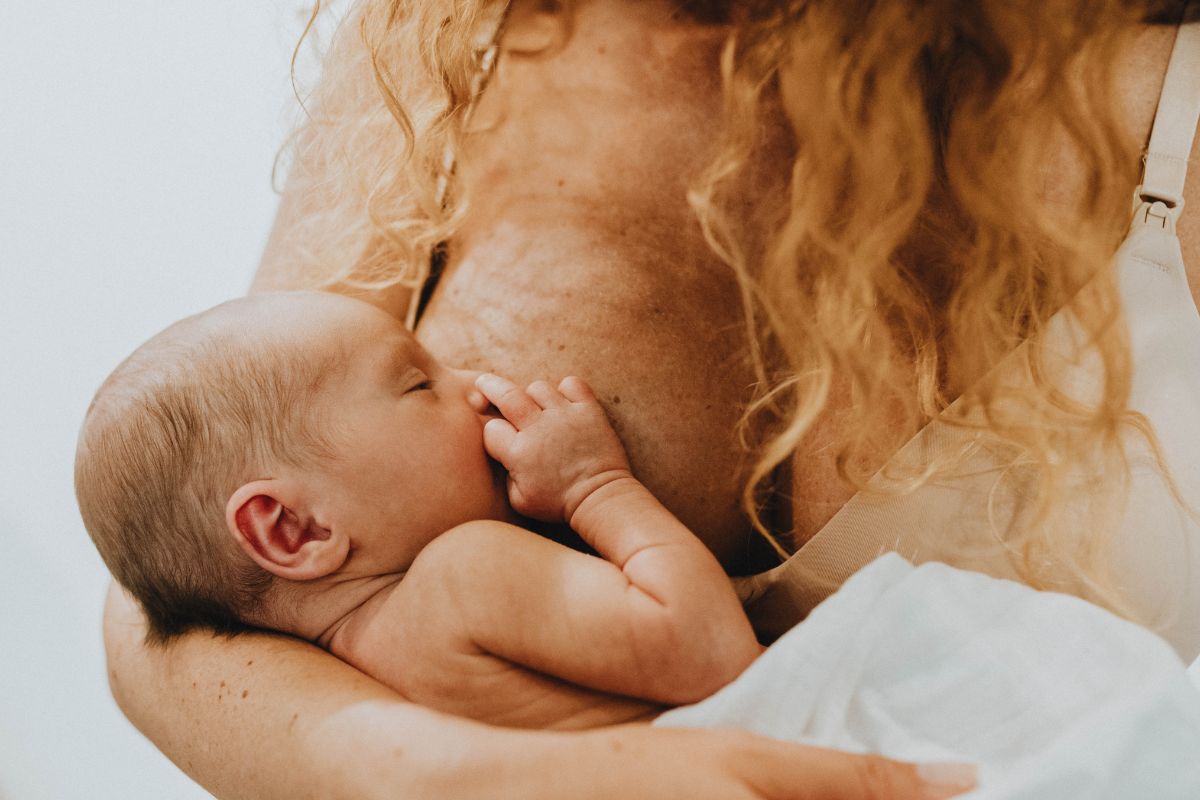
Breastfeeding offers a unique opportunity for emotional closeness. The skin-to-skin contact, eye contact, and physical warmth involved can strengthen the bond between parent and baby.
Oxytocin also plays a role here, promoting feelings of love and attachment, which support emotional health for both of you.
Convenience and Cost Savings
 Convenience and Cost Savings
Always Available and Just the Right Temperature
One of the most practical benefits of breastfeeding is its convenience. There’s no need to prepare bottles or warm up milk in the middle of the night. Breast milk is always ready, always the right temperature, and perfectly portioned for your baby.
Reduces Household Expenses
While there may be some costs associated with breastfeeding (such as nursing bras or a breast pump), these are generally lower than the ongoing costs of formula feeding. Families who breastfeed can save hundreds or even thousands of dollars during the baby’s first year.
Supporting Mental and Emotional Well-Being
Confidence Through Nourishment
Knowing that you're directly meeting your baby’s needs can be incredibly empowering. Many breastfeeding parents report an increased sense of confidence and satisfaction in their ability to care for their child. It’s a deeply personal and nurturing experience.
A Chance to Slow Down
In the midst of busy parenting life, breastfeeding offers regular opportunities to pause and connect. These quiet moments of closeness can be a calming ritual for both parent and baby, especially during times of stress or fatigue.
Addressing Common Concerns
 Addressing Common Concerns
It Doesn’t Have to Be All or Nothing
Many new parents feel pressure to breastfeed exclusively, but any amount of breastfeeding is beneficial. Even a few weeks can make a positive difference. Some families combine breastfeeding with formula feeding, and that’s okay too. Flexibility is key.
It’s Normal to Need Help
Breastfeeding doesn’t always come naturally—and that’s completely normal. If you're facing challenges like latch issues, pain, or low supply, lactation consultants and support groups can make a big difference. Asking for help is a sign of strength, not failure.
Every Journey Is Unique
Some parents may not be able to breastfeed for medical, physical, or emotional reasons. It’s important to remember that fed is best, and that nurturing your baby with love matters just as much as how you feed them.
Encouraging a Positive Breastfeeding Experience
Build a Supportive Environment
Surrounding yourself with encouraging partners, family members, and professionals can make a huge difference. Share your feeding goals, and ask for practical help—like preparing meals or handling household tasks—so you can focus on nursing and resting.
Educate Yourself Before Baby Arrives
 Educate Yourself Before Baby Arrives
Attending a breastfeeding class or reading up beforehand can help you feel more prepared and confident. Learning about common challenges and techniques ahead of time can reduce stress once your baby arrives.
Take It One Day at a Time
Breastfeeding can feel overwhelming in the early days, especially when you’re recovering from birth and adjusting to your new routine. Instead of focusing on long-term goals, try to take it day by day, knowing that your effort is valuable, no matter how long your journey lasts.
Embracing the Breastfeeding Journey with Confidence
Breastfeeding offers more than nutrition—it creates a foundation of health, comfort, and connection that can last a lifetime. While it may come with its challenges, the rewards for both baby and parent are significant.
Whether you breastfeed for a few days, a few months, or longer, each moment of closeness counts.
As you navigate this deeply personal experience, remember to honor your journey, seek support when needed, and trust your instincts. What matters most is nurturing your baby with love, patience, and presence—and that’s something all parents can be proud of.
Did you find this post useful or inspiring? Save THIS PIN to your PARENTING Board on Pinterest! 😊


You may also like