
The Connection Between Parental Sleep Quality and Child Behavior

As parents, getting quality sleep can often feel like a distant dream. Between managing daily responsibilities, taking care of children, and balancing work and personal life, it’s no surprise that sleep can take a backseat.
However, research suggests that parental sleep quality doesn’t just impact the adults in the household—it can also play a significant role in child behavior.
In this article, we explore the intricate connection between the sleep of parents and their children's emotional and behavioral responses.
The Importance of Sleep for Parents
Sleep is essential for every adult, especially parents, who juggle numerous roles throughout the day. The quality and quantity of sleep directly affect mood, decision-making, physical health, and emotional well-being.
When parents experience poor sleep, it can lead to irritability, fatigue, and heightened stress levels.
 How Sleep Impacts Parents' Mental and Emotional Health
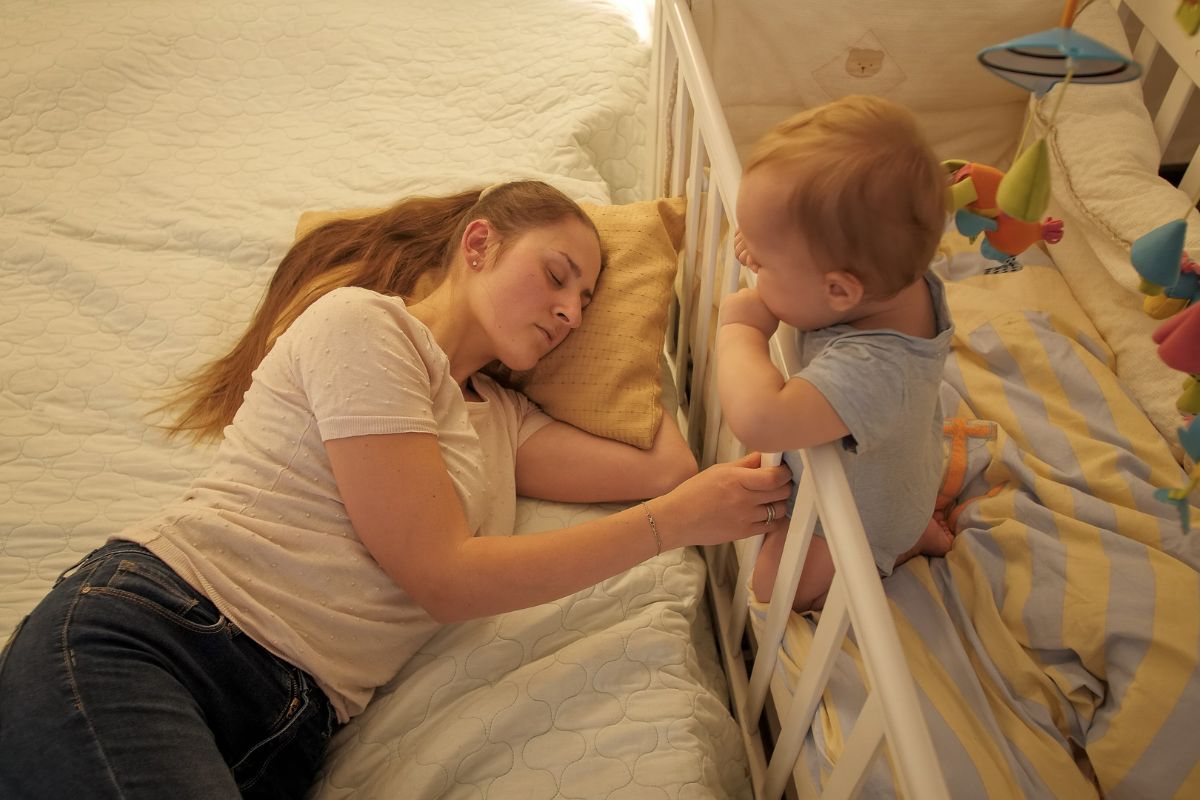 How Sleep Impacts Parents' Mental and Emotional Health
A lack of sleep can contribute to anxiety, depression, and increased stress, which not only affect the parents themselves but also their ability to care for and engage with their children.
When sleep-deprived, parents may be less patient, more reactive, and struggle with maintaining positive interactions.
In addition, poor sleep can impact a parent’s ability to regulate their emotions, which can lead to conflict or frustration in family dynamics.
The consequences of such emotional instability in parents can be directly felt by children, creating a cycle of stress and strained relationships within the household.
How Parental Sleep Affects Child Behavior
The effects of poor parental sleep are not isolated to the parents alone; children can feel the ripple effects as well. The emotional and behavioral development of a child is influenced by the behavior and emotional stability of the parents.
Children often pick up on their parents' moods and actions, whether consciously or subconsciously, leading to potential behavioral changes.
Emotional Availability and Parental Engagement
 Emotional Availability and Parental Engagement
One of the most significant factors affected by poor sleep is a parent’s ability to be emotionally available for their children.
Sleep-deprived parents may struggle to engage in meaningful conversations, provide reassurance, or offer the level of comfort and support that children need. This lack of emotional availability can lead to children feeling neglected, misunderstood, or insecure.
A parent’s emotional engagement with their child is essential for building a secure attachment—a crucial element in the child’s emotional and social development.
When a parent is tired and unable to provide the necessary attention, children may become more clingy, anxious, or act out to get the attention they need.
Impact on Parenting Style and Discipline
Sleep deprivation also affects a parent’s parenting style, particularly their approach to discipline. Parents who are sleep-deprived may find it harder to maintain consistency in rules or reactions to their child’s behavior.
They might be more likely to overreact to minor issues or, conversely, become too lenient, depending on how their emotional state is influenced by their lack of rest.
For instance, a parent who is sleep-deprived might snap at their child for a small infraction, leading to a negative emotional response from the child. Alternatively, a tired parent might struggle to enforce boundaries, resulting in a lack of discipline and behavioral issues in the child.
Children's Sleep and Behavioral Problems
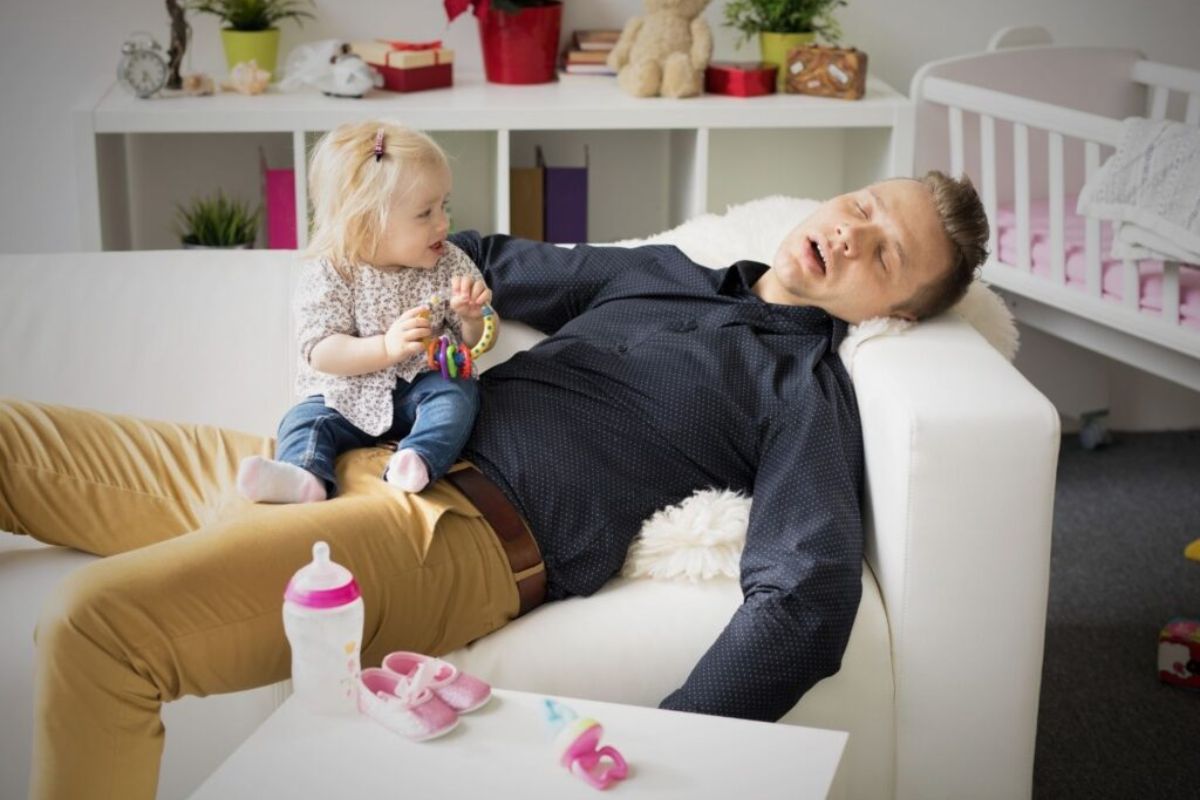 Children's Sleep and Behavioral Problems
Interestingly, the effects of parental sleep quality don’t end with the parents’ behaviors; it can also directly impact children’s sleep. Poor sleep in parents has been linked to sleep disturbances in children, as children often mirror the sleep patterns and routines of their caregivers.
If a parent struggles to maintain a healthy sleep schedule or follows an inconsistent routine, the child may also experience trouble falling asleep, staying asleep, or developing healthy sleep habits.
This disrupted sleep can then lead to behavioral issues, as children who are not well-rested tend to be more irritable, hyperactive, or have difficulty concentrating.
Moreover, sleep-deprived children are more likely to experience emotional regulation problems and show signs of anxiety or depression, further compounding the effects on behavior.
Strategies for Improving Parental Sleep and Child Behavior
Given the direct link between sleep quality and child behavior, it’s important for parents to prioritize their sleep health. Here are several strategies that can help improve sleep for both parents and children:
1. Create Consistent Bedtime Routines
Establishing consistent bedtime routines for both parents and children can significantly improve sleep quality. Parents should model positive sleep habits for their children, such as setting regular sleep times and creating a relaxing environment that encourages restfulness.
For parents, wind-down routines such as reading, meditating, or practicing deep breathing exercises can signal to the body that it’s time to relax and prepare for sleep. Similarly, setting aside time to unwind before bed can help reduce stress and improve sleep quality.
2. Practice Self-Care and Stress Management
 2. Practice Self-Care and Stress Management
For many parents, stress management plays a huge role in improving sleep quality. Engaging in self-care activities such as yoga, journaling, or even taking a short walk can help lower stress levels and promote better sleep.
Parents should make time for these activities, even if it’s just a few minutes each day.
In addition, practicing relaxation techniques such as deep breathing or progressive muscle relaxation before bed can help calm the mind and prepare the body for a restful night’s sleep.
3. Improve the Sleep Environment
Creating a comfortable sleep environment is crucial for achieving quality sleep. Parents should focus on ensuring that their bedrooms are conducive to rest, with comfortable bedding, appropriate room temperature, and minimal distractions.
This is just as important for children, who should have a quiet and cozy space to sleep. Incorporating calming elements like soft lighting, aromatherapy, or soothing music can create a more restful atmosphere that promotes deeper, more restorative sleep.
4. Seek Professional Support if Necessary
If sleep problems persist for either parents or children, it may be helpful to seek professional advice. A healthcare provider can assess potential underlying issues contributing to poor sleep and offer solutions, whether through sleep therapy, cognitive behavioral therapy, or sleep training for children.

Enhancing Family Well-being Through Better Sleep
The connection between parental sleep quality and child behavior is clear: when parents prioritize their sleep and overall well-being, the entire family benefits.
By improving sleep quality, parents can enhance their emotional availability, parenting consistency, and physical energy, all of which contribute to better child behavior.
Investing in sleep is an investment in family harmony, as it creates a more positive, engaged, and emotionally stable environment for both parents and children.
Did you find this post useful or inspiring? Save THIS PIN to your PARENTING Board on Pinterest! 😊


You may also like