
The Impact of Parent-Child Eye Contact on Toddler Development
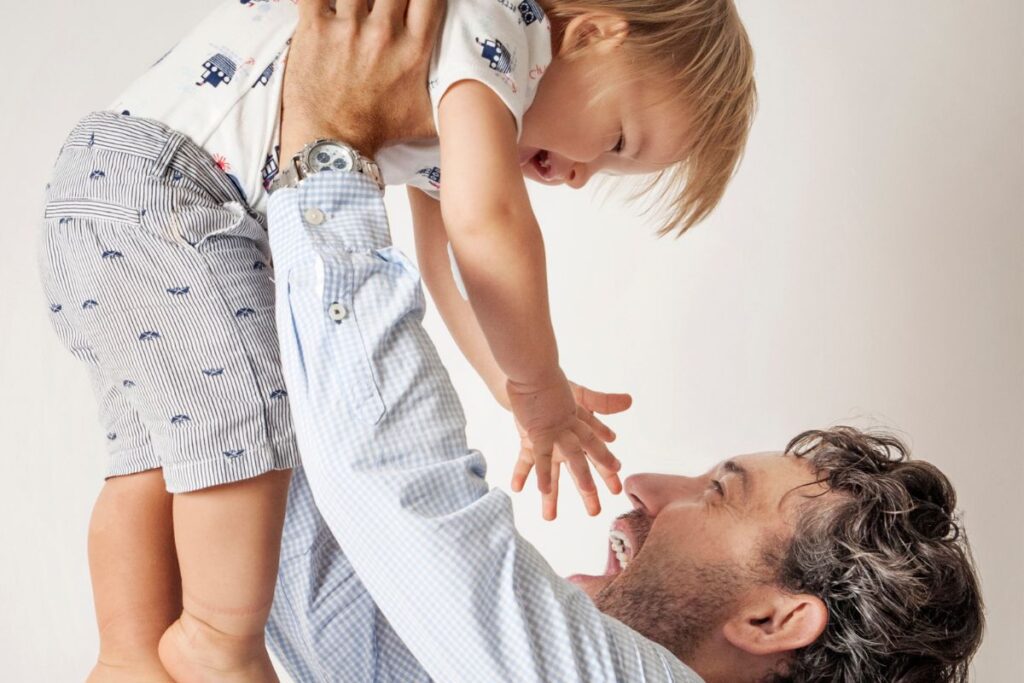
Eye contact is a fundamental aspect of human interaction that begins early in life. For toddlers, the ability to engage in eye contact plays a critical role in their emotional and cognitive development.
As one of the first forms of non-verbal communication, eye contact helps toddlers connect with their caregivers, understand emotions, and even influence their social skills.
In this article, we will explore how parent-child eye contact impacts toddler development and why it is so crucial in the early years.
Understanding the Role of Eye Contact in Early Development
From the moment a child is born, they start processing the world around them. One of the first ways they interact with their caregivers is through eye contact, which is essential for bonding.
It’s not just a social interaction; it’s a critical tool for communication and understanding. Research suggests that infants are born with the ability to track faces and make eye contact, and this innate ability forms the foundation for more complex social behaviors as they grow.

Emotional Development
Parent-child eye contact is vital for the emotional development of toddlers. When parents and children lock eyes, it establishes a sense of security and trust. This connection helps toddlers feel safe and supported, which is fundamental for developing emotional regulation.
Toddlers who have consistent, loving eye contact with their caregivers tend to show better emotional intelligence as they age.
Furthermore, eye contact plays a pivotal role in helping toddlers recognize and interpret emotions. When a parent expresses joy, sadness, or frustration, toddlers learn to mirror these emotions, which significantly contributes to their emotional growth.
In a way, eye contact is a visual cue that guides them in understanding the emotional state of those around them.
Cognitive and Language Development
Language acquisition is another area where eye contact plays a crucial role. When parents engage in meaningful eye contact with their toddlers, they not only strengthen the emotional bond but also encourage language development.
Studies show that babies who experience more eye contact from their parents are more likely to develop strong language skills.
During early interactions, parents often use eye contact to reinforce language, whether they are naming objects, expressing emotions, or narrating their daily activities.
This helps toddlers associate words with faces and emotions, thereby improving their ability to understand and speak.
 The Science Behind Parent-Child Eye Contact
 The Science Behind Parent-Child Eye Contact
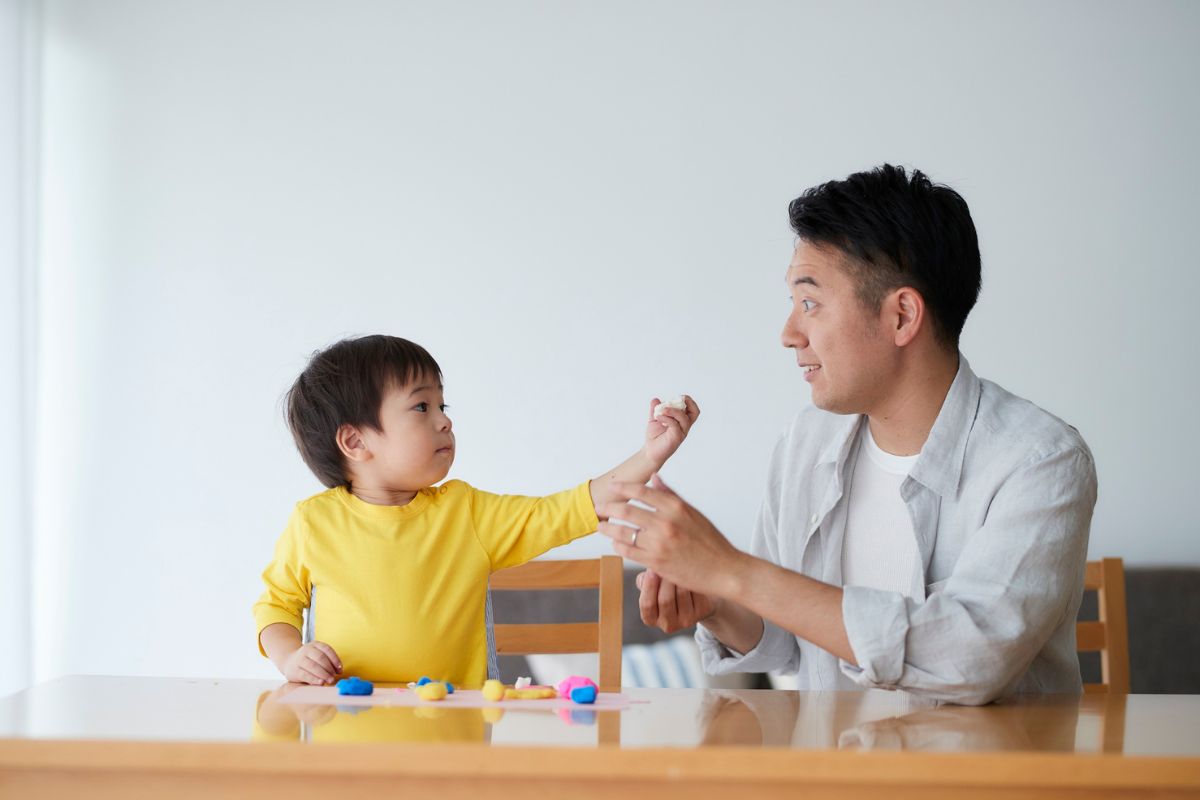
Scientific research has shown that eye contact between parent and child stimulates various areas of the brain, promoting neural development. When a toddler looks into their parent's eyes, the brain releases oxytocin, often referred to as the “love hormone.”
This hormone fosters bonding, reduces stress, and contributes to the development of social behaviors.
Strengthening Social Skills
Children who engage in frequent, positive eye contact with their parents are more likely to develop strong social skills. These children learn to read social cues effectively and understand the importance of maintaining eye contact in different social contexts.
As they grow, they will use these skills to build relationships with peers, teachers, and others in their environment.
In contrast, toddlers who do not experience enough eye contact from their parents may struggle with social interactions. They may find it challenging to understand the emotional expressions of others, leading to difficulties in social situations.
Establishing eye contact early on can pave the way for positive social experiences later in life.
How to Encourage Positive Eye Contact
Parents can encourage their toddlers to engage in positive eye contact by being mindful of how they interact with their children. Here are a few simple tips:
1. Make Eye Contact During Playtime
 1. Make Eye Contact During Playtime
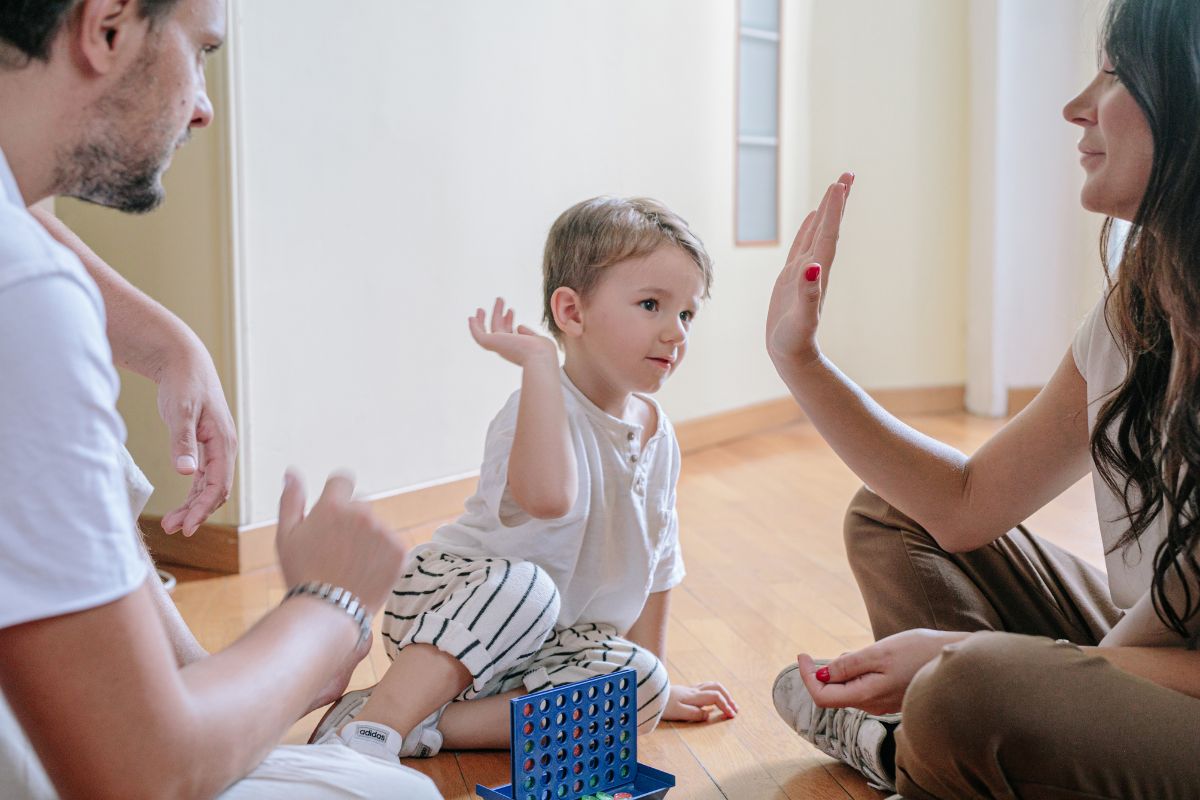
Engage with your toddler during play by getting on their level and maintaining eye contact. This can be especially effective during one-on-one time when they feel most connected to you. It helps reinforce communication and strengthens the bond.
2. Use Positive Reinforcement
When your child makes eye contact, acknowledge it with a smile, a touch, or a kind word. Positive reinforcement can encourage your toddler to continue making eye contact as a form of communication.
3. Model Eye Contact in Conversations
Toddlers learn by observing. When speaking to your child, ensure that you maintain eye contact, especially during moments of instruction or when expressing emotions.
This teaches them the importance of looking at someone when they are communicating.
4. Be Patient
 4. Be Patient
It’s normal for toddlers to become distracted easily. If your child struggles with making eye contact, be patient and gently encourage it without being forceful. The more you model this behavior, the more likely they are to adopt it over time.
A Lasting Impact on Toddler Growth and Development
In conclusion, parent-child eye contact is much more than a simple social interaction. It is a vital tool that impacts emotional bonding, language acquisition, cognitive development, and social skills.
By making eye contact with your toddler, you are not only strengthening your bond but also providing the foundation for healthy emotional and social growth.
Positive eye contact during the early years creates an environment of trust and understanding, setting the stage for a lifetime of strong relationships.
As parents, recognizing the power of eye contact can help you build a supportive, nurturing environment that fosters your child's overall development.
Did you find this post useful or inspiring? Save THIS PIN to your PARENTING Board on Pinterest! 😊


You may also like