
The Ultimate Pregnancy Diet: Foods to Eat for a Healthy Baby
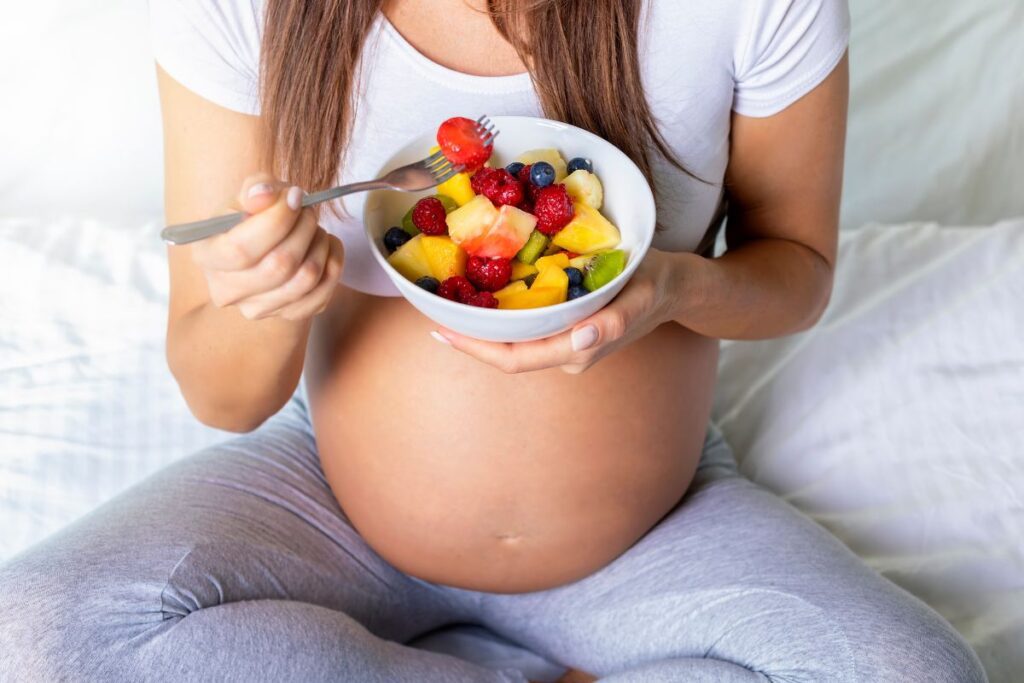
When you're expecting, everything you eat has the potential to nourish your growing baby. A balanced diet during pregnancy isn't just about eating more—it's about eating smart.
The right foods provide the essential nutrients needed for your baby’s development and help support your own health during this incredible transformation.
Rather than following strict rules, think of your pregnancy diet as a way to fuel your body with care and intention. Let’s explore the key nutrients you need and the best foods to include in your daily meals.
Essential Nutrients for Pregnancy
Folic Acid
Folic acid (or folate) is one of the most important nutrients during early pregnancy. It helps prevent neural tube defects, which affect the brain and spinal cord.
Where to find it: Leafy greens, beans, lentils, fortified cereals, and oranges.
Iron
Iron supports the increased production of blood cells that carry oxygen to both you and your baby. Without enough iron, you may feel tired or risk developing anemia.
Good sources: Lean red meat, spinach, tofu, beans, and iron-fortified grains.
Calcium
Your baby needs calcium to build strong bones and teeth. If your intake is low, your body will take calcium from your bones to meet the baby’s needs.
Best choices: Dairy products, fortified plant milks, almonds, and broccoli.
 Protein
 Protein
Protein is a building block for your baby’s tissues and organs. It also plays a role in your own body’s growth during pregnancy.
Top options: Chicken, eggs, nuts, tofu, beans, and Greek yogurt.
Omega-3 Fatty Acids
Omega-3s, especially DHA, support the development of your baby’s brain and eyes.
Found in: Salmon, walnuts, chia seeds, and flaxseed oil.
Smart Food Choices for Every Meal
Breakfast: Start Strong
A nutrient-packed breakfast can set the tone for the rest of the day. Opt for a mix of complex carbohydrates, protein, and fiber to keep your energy stable.
Example: Oatmeal with almond butter and sliced banana, or scrambled eggs with spinach and whole-grain toast.
Snacks: Fuel in Between
Pregnancy often brings increased hunger. Healthy snacks help prevent dips in energy and supply extra nutrients.
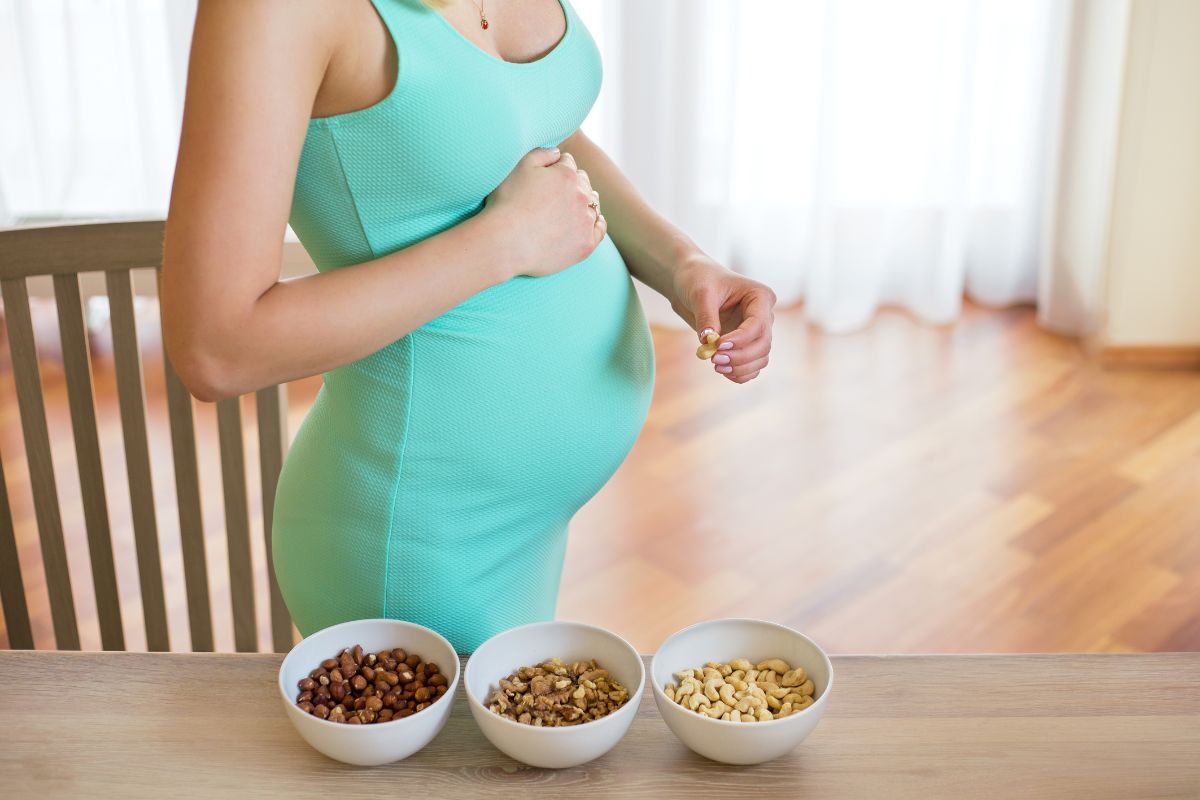
Best picks: Fresh fruit with yogurt, carrots and hummus, whole-grain crackers with cheese, or trail mix with nuts and dried fruit.
Lunch: A Balanced Plate
 Lunch: A Balanced Plate
Aim for meals that combine lean protein, whole grains, and vegetables. Variety is key to getting a wide range of nutrients.
Example: Quinoa salad with grilled chicken, cherry tomatoes, cucumbers, and feta; or a veggie-packed stir-fry with tofu over brown rice.
Dinner: Nourishing and Satisfying
Dinner is a great time to enjoy cooked vegetables, lean proteins, and healthy fats. This helps your body recover and prepare for rest.
Example: Baked salmon with roasted sweet potatoes and steamed broccoli, or lentil soup with a side of whole-grain bread.
Foods to Include Regularly
Colorful Fruits and Vegetables
These provide vitamins, antioxidants, and fiber. Aim for a rainbow on your plate—each color offers different health benefits for you and your baby.
Try berries, oranges, leafy greens, bell peppers, and sweet potatoes.
Whole Grains
Whole grains like brown rice, quinoa, oats, and whole wheat bread are rich in fiber and B vitamins, which support energy and digestion.
Lean Proteins
Whether you’re eating animal or plant-based proteins, aim for clean, well-cooked sources. Protein is vital throughout your entire pregnancy.
Healthy Fats
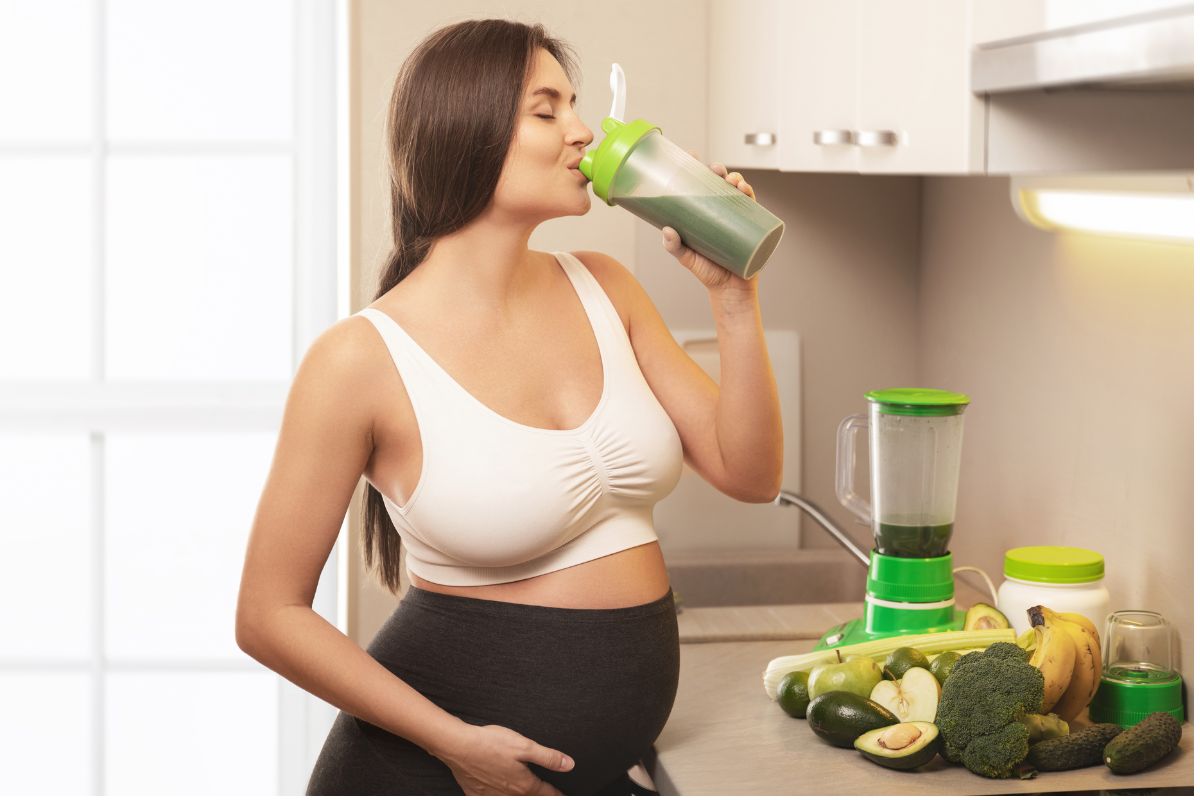 Healthy Fats
Not all fats are bad! Choose unsaturated fats to support your baby’s growth and your own brain function.
Think avocados, olive oil, nuts, and seeds.
What to Limit or Avoid
While a healthy pregnancy diet includes a wide range of foods, there are a few things to limit or steer clear of:
Raw or undercooked meats and eggs: These can carry harmful bacteria.
Unpasteurized dairy or juices: Risk of listeria or other infections.
High-mercury fish: Avoid swordfish, king mackerel, and tilefish.
Caffeine: Limit to about 200 mg per day (around one 12 oz coffee).
Alcohol: Best avoided entirely, as it can affect your baby’s development.
Hydration: Just as Important as Food
 Hydration: Just as Important as Food
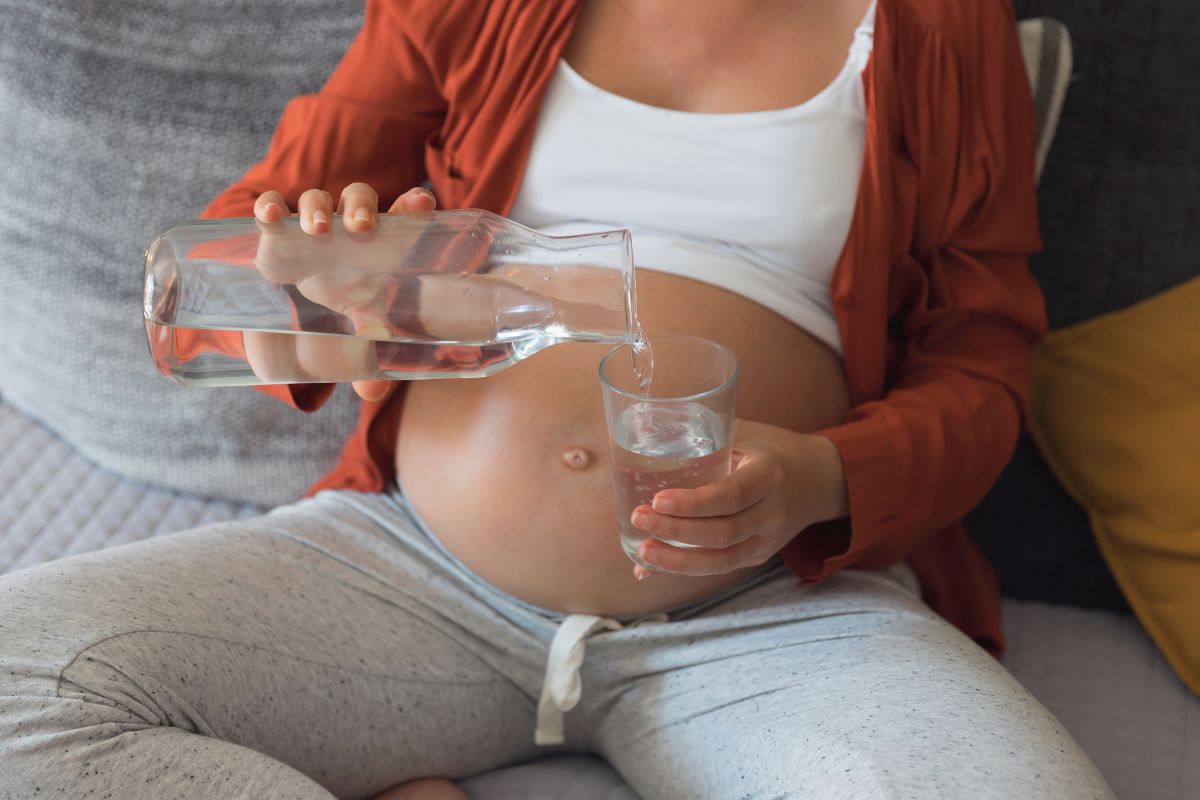
Staying well-hydrated during pregnancy is essential. Water helps form the amniotic fluid, supports digestion, and reduces swelling. Aim for 8–10 cups of water daily, and more if you're active or live in a hot climate.
You can also get hydration from foods like watermelon, cucumbers, and soups. If plain water is difficult, infuse it with lemon, mint, or berries for a flavorful twist.
Listening to Your Body’s Needs
Pregnancy can come with cravings, aversions, and changes in appetite. While it's fine to honor cravings in moderation, try to stay focused on what makes you feel good physically.
Some days you might eat less, other days more—and that’s perfectly normal.
If you're unsure whether your diet is meeting all your needs, talk to your healthcare provider or a registered dietitian who specializes in prenatal nutrition.
Nourishing Two Lives with Every Bite
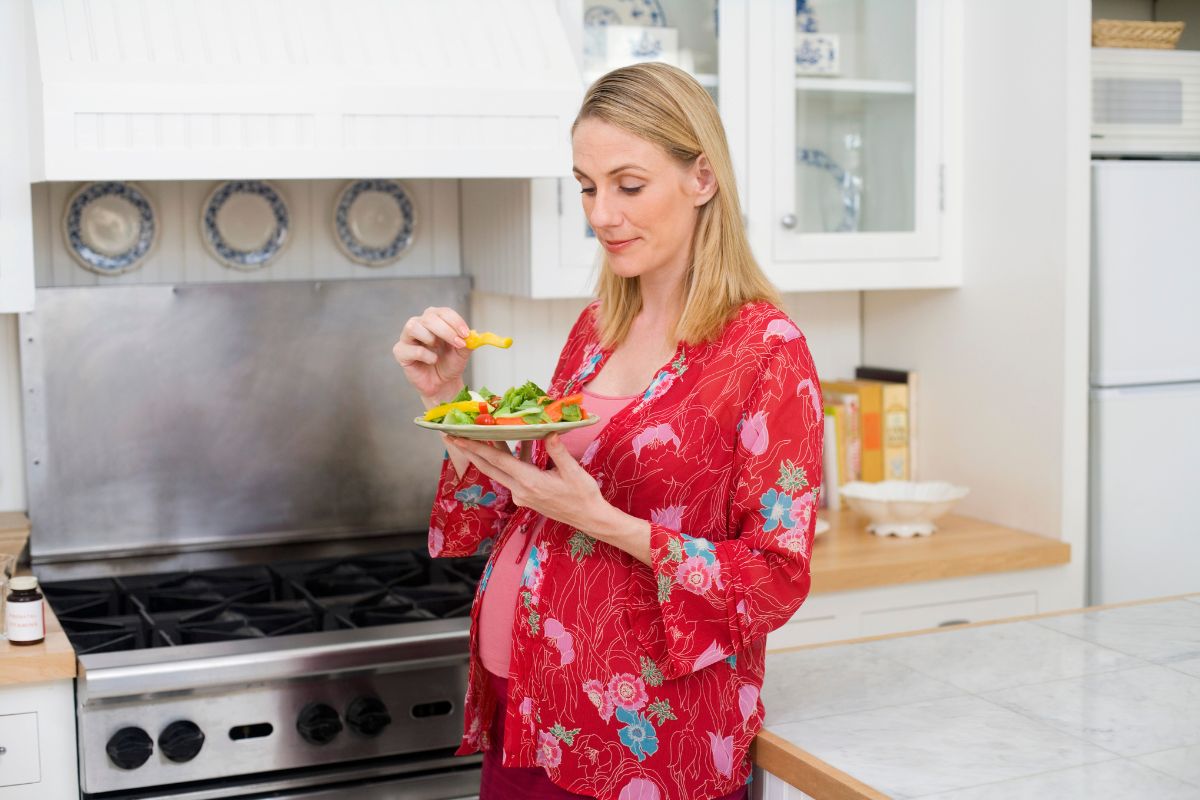 Nourishing Two Lives with Every Bite
Choosing the right foods during pregnancy is one of the most powerful ways to support your baby’s development and protect your own health.
It’s not about being perfect—it’s about making thoughtful, consistent choices that fuel your journey.
From colorful veggies to lean proteins and calcium-rich snacks, each bite contributes to the miracle growing inside you.
By focusing on variety, balance, and quality, you’re giving your baby the best possible start in life—one delicious and nourishing meal at a time.
Did you find this post useful or inspiring? Save THIS PIN to your PARENTING Board on Pinterest! 😊

You may also like