
Tips for Parents on Handling Unsolicited Advice Gracefully

As a parent, you're often the target of unsolicited advice from well-meaning family members, friends, and even strangers. While this advice might come from a place of good intentions, it can sometimes feel overwhelming or frustrating.
Learning to handle unsolicited advice gracefully not only helps you maintain your peace of mind but also strengthens your ability to make informed decisions for your family.
Here are some helpful tips to deal with unsolicited advice in a way that keeps things calm, respectful, and positive.
Understanding the Source of Unsolicited Advice
Before reacting, it’s essential to understand where unsolicited advice is coming from. Most of the time, people offer advice because they care or because they have a personal experience they feel might be helpful.
Whether it’s a relative sharing parenting tips from their own journey or a friend offering a suggestion they swear worked wonders for them, it’s important to recognize that these individuals likely have good intentions.
However, while the advice may be well-intended, it may not always align with your personal values or parenting style. Understanding this distinction can help you approach the situation with patience rather than frustration.
 Practice Active Listening
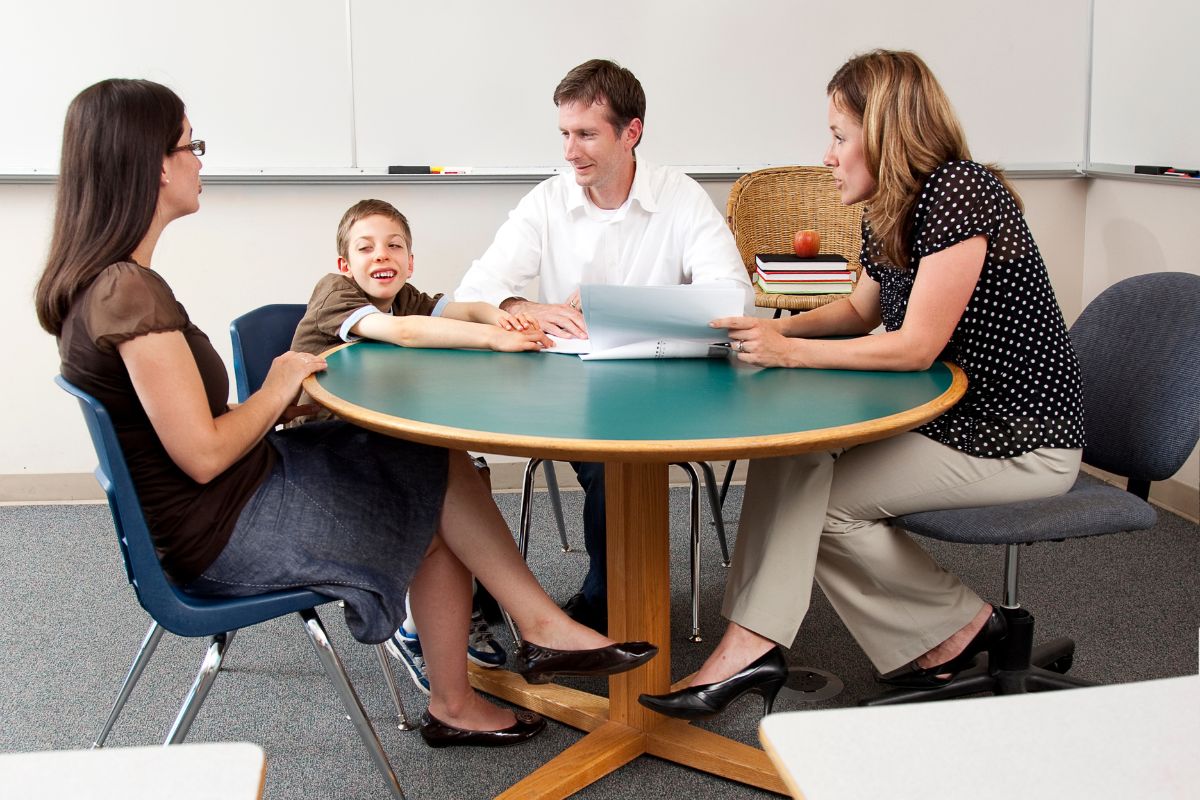 Practice Active Listening
One of the best ways to handle unsolicited advice is to listen actively. By giving the speaker your full attention, you show respect, even if you don’t agree with what’s being said.
Active listening also allows you to process the advice without immediately reacting. You might find that some pieces of advice are more useful than others, or you may appreciate the gesture even if you don’t take the advice to heart.
Here are some tips for practicing active listening:
Maintain eye contact to show you're engaged.
Nod to acknowledge the advice being given.
Repeat back what you heard to ensure clarity, such as “I hear you’re saying that this method worked well for your child…”
Stay Calm and Don’t Take It Personally
It’s easy to feel offended or frustrated when someone suggests that you're not parenting the "right" way. However, it’s essential to stay calm and not take the advice personally.
Parenting is a deeply personal experience, and every family has different dynamics and approaches. Remember that the advice is not a judgment of your abilities; it’s just someone’s perspective based on their own experiences.
If you find yourself getting upset, take a deep breath and pause before responding. A moment of calm reflection can prevent you from saying something you might later regret.
Set Boundaries Respectfully
 Set Boundaries Respectfully
While it’s important to be open to hearing advice, you also need to set boundaries. If the advice is unhelpful, intrusive, or not in line with your values, it’s perfectly okay to let the person know.
Setting boundaries doesn’t mean being rude or dismissive; it just means clearly communicating your preferences.
For example, you could say:
“I appreciate you sharing your experience, but we’ve already made a different choice in this area.”
“Thank you for the suggestion. We’re happy with the approach we’re taking for now.”
“I’ll keep that in mind, but we’re following a different path that works best for us.”
These responses help set limits while still being polite and appreciative.
Choose When to Engage or Disengage
Sometimes, despite your best efforts, unsolicited advice can feel overwhelming or unnecessary. It’s essential to recognize when it’s appropriate to engage and when it’s better to simply disengage from the conversation.
If you feel like the advice is causing unnecessary stress or making you question your decisions, it might be time to politely change the subject or steer the conversation in a different direction.
Engaging in a conversation just for the sake of it may lead to more frustration, so it's okay to take a step back if you need to.
Use Humor to Defuse Tension
 Use Humor to Defuse Tension
Humor can be a powerful tool when it comes to diffusing awkward or uncomfortable situations. If the advice feels off-the-wall or over-the-top, a lighthearted comment or a funny quip can help ease the tension without causing any conflict.
Humor allows you to maintain a positive atmosphere while still signaling that you may not agree with the advice.
For example, if someone suggests an old-school method of parenting, you could say something like, “Oh, that sounds like something my grandmother would do! We’re sticking with our modern approach, though.”
Express Gratitude, Even If You Disagree
When someone gives you unsolicited advice, acknowledging their input with gratitude is an effective way to handle the situation. Even if you don’t agree with the advice, a simple “Thank you for thinking of us” can go a long way.
This shows that you respect their effort to help and are mature enough to handle different perspectives without becoming defensive.
Being polite and gracious in these moments reflects your emotional intelligence and ensures that relationships remain positive.
Trust Your Instincts
 Trust Your Instincts
As a parent, you are the best advocate for your child. While other people’s advice may seem tempting to follow, it’s important to trust your instincts. You know your child and your family better than anyone else.
If something doesn’t feel right, or if a suggestion doesn’t align with your family values, it’s okay to reject it.
Remember, there is no one-size-fits-all approach to parenting. What works for one family may not work for another. Your intuition is a powerful tool, and it’s worth listening to.
Strengthening Your Parenting Confidence Through Boundaries
Navigating unsolicited advice can be challenging, but by practicing patience, setting boundaries, and trusting your instincts, you can handle these situations with grace and confidence.
Embrace the advice that resonates with you, politely decline the rest, and always remember that you are the expert when it comes to your family’s needs.
By setting clear boundaries and staying true to your parenting style, you’ll foster an environment where you feel empowered to make the best decisions for your family without feeling overwhelmed by external opinions.
Did you find this post useful or inspiring? Save THIS PIN to your PARENTING Board on Pinterest! 😊

You may also like