
Top Relaxation Techniques for Stress-Free Labor
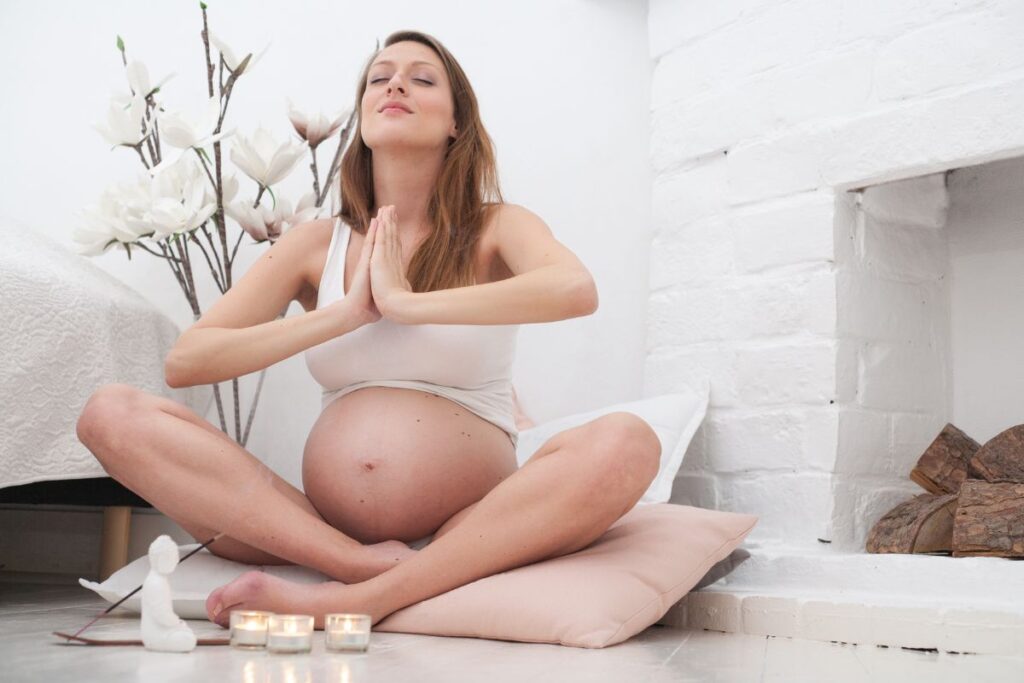
Labor can be one of the most intense, life-changing experiences in a woman's life. Managing stress and anxiety during this time is key for a smoother, more positive birth.
Luckily, there are several effective relaxation techniques that expectant mothers can use to stay calm, focused, and comfortable throughout labor. In this article, we’ll explore some of the best methods to help create a stress-free labor.
The Importance of Relaxation During Labor
When a woman is relaxed, her body can work more efficiently during labor. Stress and tension often lead to increased pain, longer labor, and higher levels of fatigue.
By practicing relaxation techniques, mothers can reduce muscle tension, ease discomfort, and improve oxygen flow — all of which support the natural progression of labor.
Breathing Techniques to Stay Calm
Deep, Slow Breathing
One of the simplest and most powerful tools for relaxation during labor is deep, slow breathing. This method helps oxygenate your body, keeps your mind focused, and reduces feelings of panic.
To practice:
Inhale deeply through your nose, filling your lungs completely.
Exhale slowly through your mouth.
Repeat this rhythm, focusing on your breath rather than the contractions.
 Patterned Breathing
 Patterned Breathing
Patterned breathing involves following a specific breathing rhythm, which can distract you from pain and keep your body relaxed.
For example, try breathing in for a count of four, then out for a count of six. Adjust the rhythm as you feel comfortable. Many childbirth classes teach variations of patterned breathing tailored to different labor stages.
Visualization and Guided Imagery
Using your imagination to create peaceful and positive mental images can be a powerful way to manage stress.
How to Use Visualization
Find a quiet place or focus your attention inward during contractions. Imagine a place where you feel completely safe and calm—like a sunny beach, a peaceful forest, or a cozy room.
Picture yourself in this place, engaging your senses: the warmth of the sun, the sound of waves, the smell of flowers.
Guided imagery can also involve envisioning your body working perfectly to bring your baby into the world, reinforcing confidence and positivity.
Progressive Muscle Relaxation
This technique involves tensing and then releasing different muscle groups to help your body let go of tension.
Steps for Progressive Muscle Relaxation
Starting with your toes, gently tighten the muscles for a few seconds.
Release the tension slowly and notice the sensation of relaxation.
Gradually move upward through your legs, abdomen, arms, shoulders, and face, repeating the process.
This method encourages full-body relaxation, which can ease discomfort during labor.
Warm Water Therapy
 Warm Water Therapy
Many women find that warm water helps soothe labor pains and reduce stress. Whether it’s a warm bath or a birthing pool, water creates a supportive environment.
Benefits of Warm Water
Eases muscle tension
Encourages relaxation
Allows for gentle movement and positioning
Provides a comforting sensation that can lower anxiety
If you plan to use water therapy, discuss it with your healthcare provider ahead of time.
Aromatherapy for Soothing Scents
Certain essential oils have calming properties that can enhance relaxation during labor. Common choices include lavender, chamomile, and frankincense.
How to Use Aromatherapy Safely
 How to Use Aromatherapy Safely
Use a diffuser or apply diluted oils to a cloth or pulse points.
Avoid direct application without dilution.
Check with your midwife or doctor to ensure the oils you choose are safe for labor.
Aromatherapy can create a peaceful atmosphere, helping to reduce stress and promote calmness.
Music and Sound Therapy
Soft, soothing music or nature sounds can create a comforting environment during labor.
Tips for Using Music
Prepare a playlist of your favorite calming tracks before labor begins.
Use headphones or play music quietly in the room.
Focus on the music to help distract from discomfort and keep your mind relaxed.
Music is a simple yet effective way to create a positive mental space during labor.
Massage and Touch
 Massage and Touch
Gentle massage from a partner, doula, or support person can relieve tension and provide emotional comfort.
Effective Massage Techniques
Light strokes on the back, shoulders, or feet can help ease muscle tightness.
Counter-pressure on the lower back during contractions may reduce pain.
Communicate with your support person about what feels best.
Physical touch releases oxytocin, a hormone that promotes relaxation and bonding.
Mindfulness and Meditation
Practicing mindfulness means staying present and observing sensations without judgment. Meditation can help reduce fear and stress, making it easier to cope with labor’s challenges.
How to Practice Mindfulness
Focus on your breath or a calming mantra.
Accept each contraction as a wave that will rise and fall.
Let go of worries about timing or pain intensity.
Many women find that mindfulness creates a sense of control and inner peace during labor.
Preparing Your Body and Mind Before Labor
 Preparing Your Body and Mind Before Labor
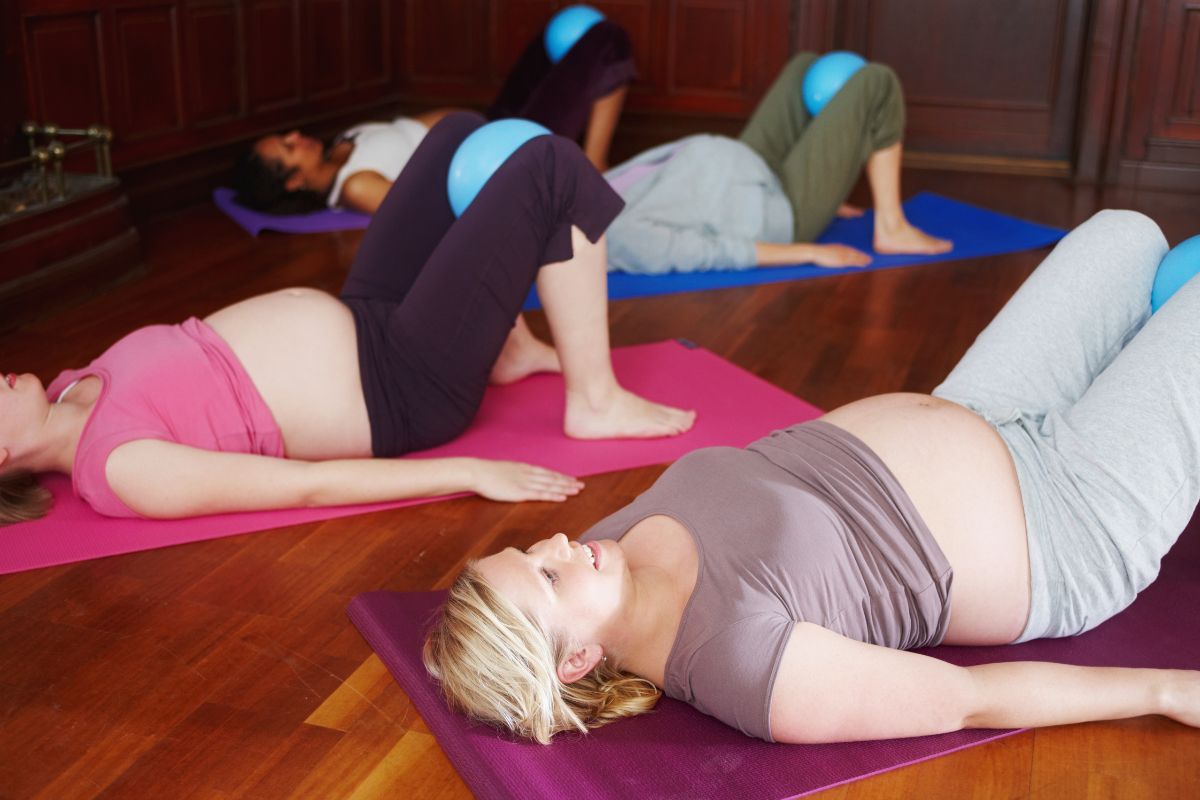
In addition to using these techniques during labor, practicing them regularly during pregnancy can build confidence and skill.
Attend childbirth classes that teach relaxation methods.
Practice breathing exercises daily.
Engage in prenatal yoga or gentle stretching.
Create a labor plan that includes your preferred relaxation techniques.
Being prepared mentally and physically helps you feel empowered when labor begins.
Supporting Your Relaxation Journey
Having a trusted birth team who understands and supports your relaxation choices makes a big difference. Communicate your preferences clearly with your partner, midwife, or doula so they can assist you effectively.
Your Path to a More Peaceful Labor Experience
Using relaxation techniques during labor is a great way to lower stress and manage discomfort. Breathing exercises, visualization, warm water or gentle touch can all help you stay calm and in touch with your body.
By incorporating these practices into your birth preparation and labor routine, you create an environment where your body can work naturally and confidently toward welcoming your baby.
Remember, every labor is different. Find the relaxation tools that feel right for you, and trust your strength as you bring new life into the world.
Did you find this post useful or inspiring? Save THIS PIN to your PARENTING Board on Pinterest! 😊



You may also like