
Understanding Pregnancy Milestones: What Happens Week by Week

Pregnancy is a beautiful and transformative experience. From the moment of conception to the birth of your baby, your body goes through incredible changes. Each week brings new developments, both for you and your growing baby.
Understanding these milestones can help you feel more connected, informed, and prepared throughout your pregnancy journey.
In this guide, we’ll explore key pregnancy milestones by trimester, highlighting what typically happens each week and what you can expect along the way.
First Trimester: Weeks 1 to 12
Weeks 1–4: The Beginning of a New Life
During the first couple of weeks, you may not even realize you're pregnant. Conception usually happens around week 2, and by week 4, the fertilized egg implants itself into the uterus. This marks the start of the embryo’s development.
Missed period is often the first sign of pregnancy.
The embryo begins forming the neural tube, which later becomes the brain and spinal cord.
Weeks 5–8: Rapid Development Begins
By week 5, many women take a pregnancy test and receive confirmation. The baby’s heart begins to beat, and facial features start forming. The embryo is now about the size of a grain of rice.
Nausea, fatigue, and breast tenderness may start.
Major organs such as the heart, lungs, and brain begin developing.
 Weeks 9–12: Transition to Fetus
 Weeks 9–12: Transition to Fetus
At week 9, your baby is officially called a fetus. The arms, legs, fingers, and toes become more distinct, and movement begins (though you won’t feel it yet). By week 12, your baby has a fully formed face, and many women start to notice their first baby bump.
Hormonal changes may cause mood swings.
The risk of miscarriage drops significantly after week 12.
Second Trimester: Weeks 13 to 27
Weeks 13–16: Hello, Second Trimester!
You may start to feel more energetic as morning sickness eases. Your baby is growing quickly and may now be about the size of an avocado.
Facial expressions and sucking motions begin.
The baby’s bones start to harden.
Weeks 17–20: First Flutters
This is an exciting time, as many expectant mothers feel their baby move for the first time—often described as flutters or bubbles.
The baby’s hearing begins to develop.
An ultrasound around week 20 may reveal the baby’s sex.
Weeks 21–24: Gaining Weight and Strength
Your baby is becoming more active and starting to develop regular sleep-wake cycles. The lungs continue to mature, and the skin is still translucent but beginning to thicken.
You may feel more defined kicks and rolls.
The baby starts storing fat and nutrients.
Weeks 25–27: Nearing Viability
By week 25, your baby can respond to your voice. By week 27, the baby may weigh around 2 pounds and can open and close its eyes. This marks the end of the second trimester.
You might experience back pain or leg cramps.
Braxton Hicks contractions may begin.
Third Trimester: Weeks 28 to 40
 Third Trimester: Weeks 28 to 40
Weeks 28–32: Stronger Movements
Your baby is getting stronger and bigger, often making its presence known with powerful kicks. The brain is developing rapidly, and body fat continues to accumulate.
You may notice more frequent trips to the bathroom.
The baby’s nervous system is maturing.
Weeks 33–36: Getting Into Position
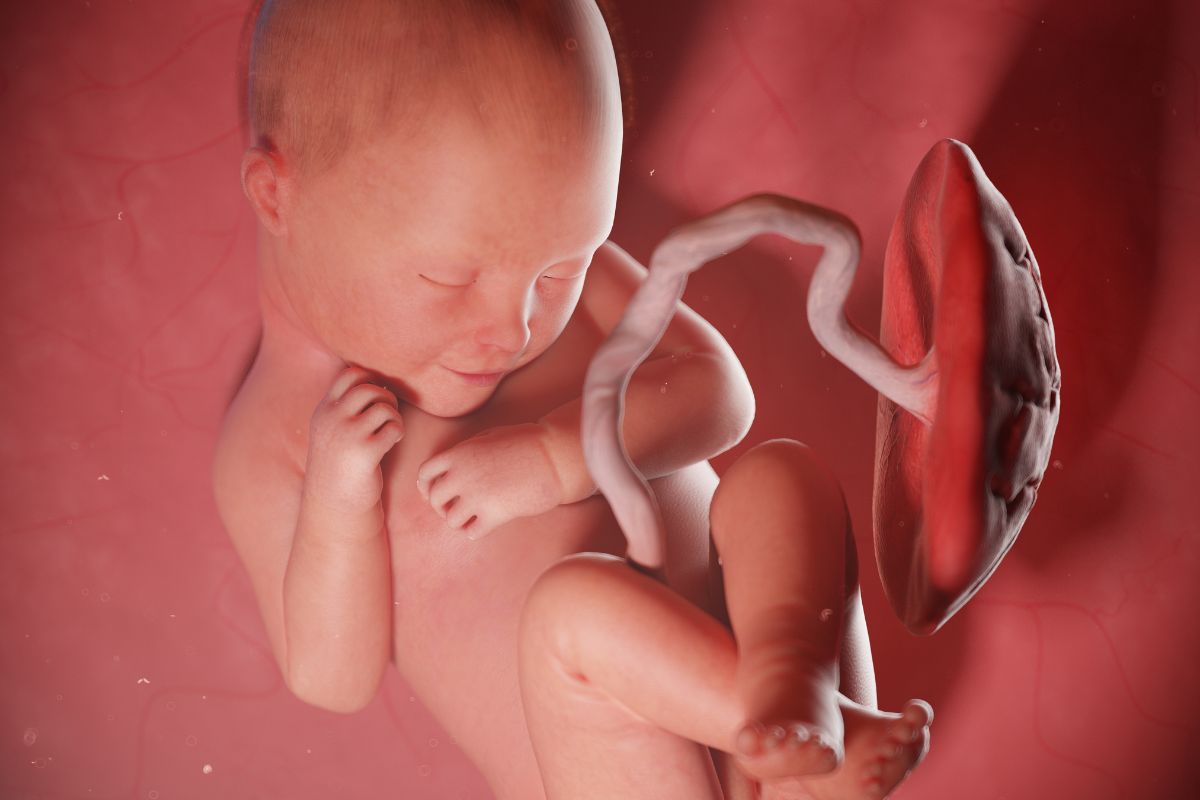
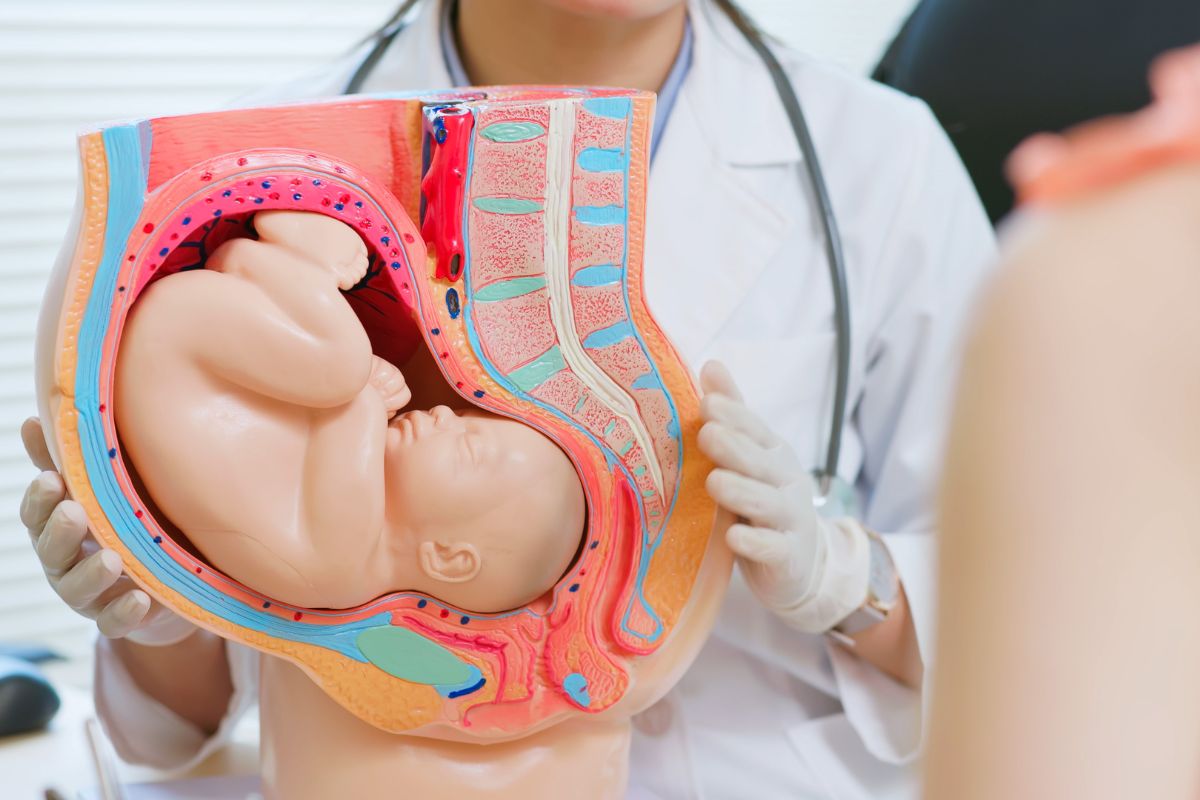
Around this time, your baby begins to settle into a head-down position in preparation for birth. The lungs are nearly mature, and the bones are fully developed (though still soft).
You might feel shortness of breath or pressure on the pelvis.
Nesting instincts may kick in as you prepare your home.
Weeks 37–40: Full Term and Ready
By week 37, your baby is considered full-term. You may feel occasional contractions, and your baby continues to gain weight. Delivery can happen any time between weeks 37 and 40.
The baby’s organs are ready for life outside the womb.
Cervical dilation may begin, a sign that labor is approaching.
Monitoring Your Baby’s Progress
 Monitoring Your Baby’s Progress
Throughout pregnancy, you’ll attend regular prenatal visits to monitor your baby’s growth, your health, and any signs of complications. These checkups include:
Measuring your baby’s size and heartbeat.
Checking your blood pressure and glucose levels.
Monitoring your weight gain and baby’s position.
Staying consistent with appointments helps ensure a healthy and safe pregnancy for both you and your baby.
Preparing for What Comes Next
 Preparing for What Comes Next
Understanding what happens week by week helps you feel empowered, not overwhelmed. It allows you to recognize normal changes and spot potential concerns early. From the smallest flutter to the final contraction, pregnancy is full of remarkable moments.
Each week brings you closer to meeting your baby, and knowing what to expect can make the journey more meaningful and manageable.
Embracing the Journey, Week by Week
 Embracing the Journey, Week by Week
Pregnancy is a unique and personal experience, full of surprises and milestones. While every woman’s journey is different, having a general understanding of what typically happens week by week allows you to stay informed, prepared, and more in tune with the amazing process happening inside your body.
By embracing these milestones and celebrating each phase, you’ll feel more connected to your baby and more confident as you prepare for one of life’s most incredible experiences—welcoming a new life into the world.
Did you find this post useful or inspiring? Save THIS PIN to your PARENTING Board on Pinterest! 😊

You may also like