
Using Simple Breathing Exercises to Calm Toddler Tantrums

As any parent of a toddler knows, tantrums are a common part of early childhood development. While these emotional outbursts can be overwhelming, learning how to respond with calm and patience is key to diffusing the situation.
One powerful tool to help calm toddler tantrums is the use of simple breathing exercises. This technique not only helps toddlers regain control of their emotions but also teaches them valuable skills for managing their feelings as they grow.
In this article, we'll look at how to use breathing exercises to calm tantrums and help toddlers learn to manage their emotions.
Why Do Toddlers Have Tantrums?
Before diving into how breathing exercises can help, it's essential to understand why toddlers have tantrums in the first place. Tantrums are a normal developmental phase and usually occur when toddlers are feeling overwhelmed, frustrated, or unable to express themselves clearly.
Some common triggers for tantrums include:
Inability to communicate needs: Toddlers are still developing language skills and often get frustrated when they can’t express what they want.
Fatigue or hunger: A tired or hungry toddler is more likely to lose control and have a meltdown.
Desire for independence: As toddlers begin to explore their independence, they may resist instructions or become upset when they can’t do something themselves.
Overstimulation: Too much noise, excitement, or activity can cause a toddler to become overwhelmed, leading to a tantrum.
Tantrums are part of how toddlers learn to deal with the world, but with the right approach, you can handle them more calmly.
 The Power of Breathing Exercises for Toddlers
 The Power of Breathing Exercises for Toddlers
Breathing exercises are a simple yet effective tool for helping toddlers manage their emotions. When a toddler is in the middle of a tantrum, their body is flooded with stress hormones, and their emotions can feel overwhelming.
Breathing deeply can activate the parasympathetic nervous system, which helps calm the body and mind, making it easier to regain control of their emotions.
Why Breathing Works for Toddlers:
Reduces stress: Deep breathing helps reduce the production of stress hormones like cortisol, which can lower anxiety and frustration.
Promotes focus: Focusing on breathing helps redirect the toddler's attention away from their overwhelming emotions, making it easier for them to calm down.
Teaches self-regulation: Teaching toddlers to use their breath to calm down helps them develop emotional regulation skills, which will benefit them throughout their lives.
Now, let's look at some simple breathing exercises that you can use to calm your toddler during a tantrum.
Simple Breathing Exercises to Try with Toddlers
1. The Balloon Breath
One of the easiest and most engaging breathing exercises for toddlers is the balloon breath. This exercise helps toddlers focus on their breath while encouraging them to inhale deeply and exhale slowly.
How to Practice the Balloon Breath:
Step 1: Tell your toddler to pretend their belly is a balloon.
Step 2: Instruct them to take a deep breath in through their nose and inflate the balloon (letting their belly expand).
Step 3: Encourage them to slowly breathe out through their mouth, imagining the balloon slowly deflating.
Step 4: Repeat the process a few times, guiding your toddler through the deep inhales and slow exhales.
This exercise is fun for toddlers because they can imagine the balloon, and the visual element helps them understand how breathing works to calm their body.
2. The Flower Breath
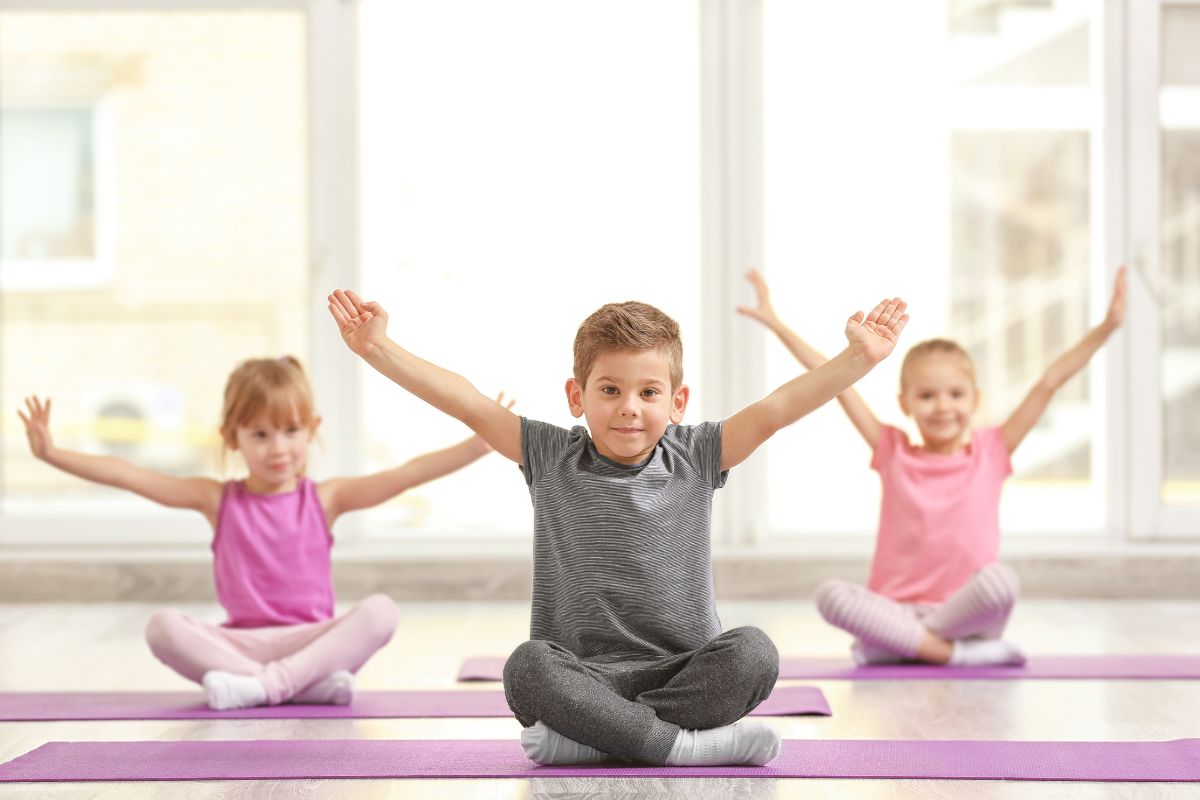 2. The Flower Breath
The flower breath is another visual breathing technique that toddlers find enjoyable. This exercise simulates the act of smelling a flower and blowing out a candle, which is easy for toddlers to understand.
How to Practice the Flower Breath:
Step 1: Tell your toddler to pretend they are holding a beautiful flower in front of their nose.
Step 2: Instruct them to take a deep breath in through their nose, as if they are smelling the flower.
Step 3: Next, have them slowly blow out the breath through their mouth, as if they are blowing out a candle.
Step 4: Repeat the cycle a few times, encouraging your toddler to focus on their breath.
The flower breath is not only calming but also helps toddlers connect with the idea of inhaling deeply and exhaling slowly, which is essential for regulating emotions.
3. The Lion’s Breath
Lion’s breath is a playful and energetic breathing exercise that can help release pent-up energy and tension during a tantrum. It involves a deep inhale followed by a powerful exhale, which can be a fun way for toddlers to release frustration.
How to Practice the Lion’s Breath:
Step 1: Tell your toddler to sit comfortably with their knees bent and their feet flat on the floor.
Step 2: Instruct them to take a deep breath in through their nose and open their mouth wide as they exhale loudly like a roaring lion.
Step 3: Encourage your toddler to make a roaring sound as they exhale, and stretch their arms out in front of them, as if they are mimicking the lion’s movements.
Step 4: Repeat the lion's breath a few times, making it a fun, energetic activity.
This exercise can help toddlers release built-up tension in their bodies and provide a fun outlet for their emotions.
4. The Snake Breath
 4. The Snake Breath
Snake breath is a calming breathing exercise that mimics the sound of a snake hissing, helping toddlers focus on their breathing while also calming down.
How to Practice the Snake Breath:
Step 1: Have your toddler sit or stand in a comfortable position.
Step 2: Instruct them to take a deep breath in through their nose.
Step 3: As they exhale, encourage them to make a long, slow hissing sound (like a snake) as they release the air through their mouth.
Step 4: Repeat the hissing sound a few times, focusing on slow, controlled exhales.
Snake breath is great for calming toddlers and helping them understand the concept of slow, steady breathing.
Tips for Teaching Breathing Exercises to Toddlers
While breathing exercises are effective, teaching your toddler to use them during a tantrum can take time and patience. Here are a few tips to help the process:
1. Model the Behavior
Toddlers learn by watching and imitating adults. Practice these breathing exercises yourself, especially when you feel stressed. This will show your toddler that breathing deeply is an effective way to calm down.
2. Make It Fun
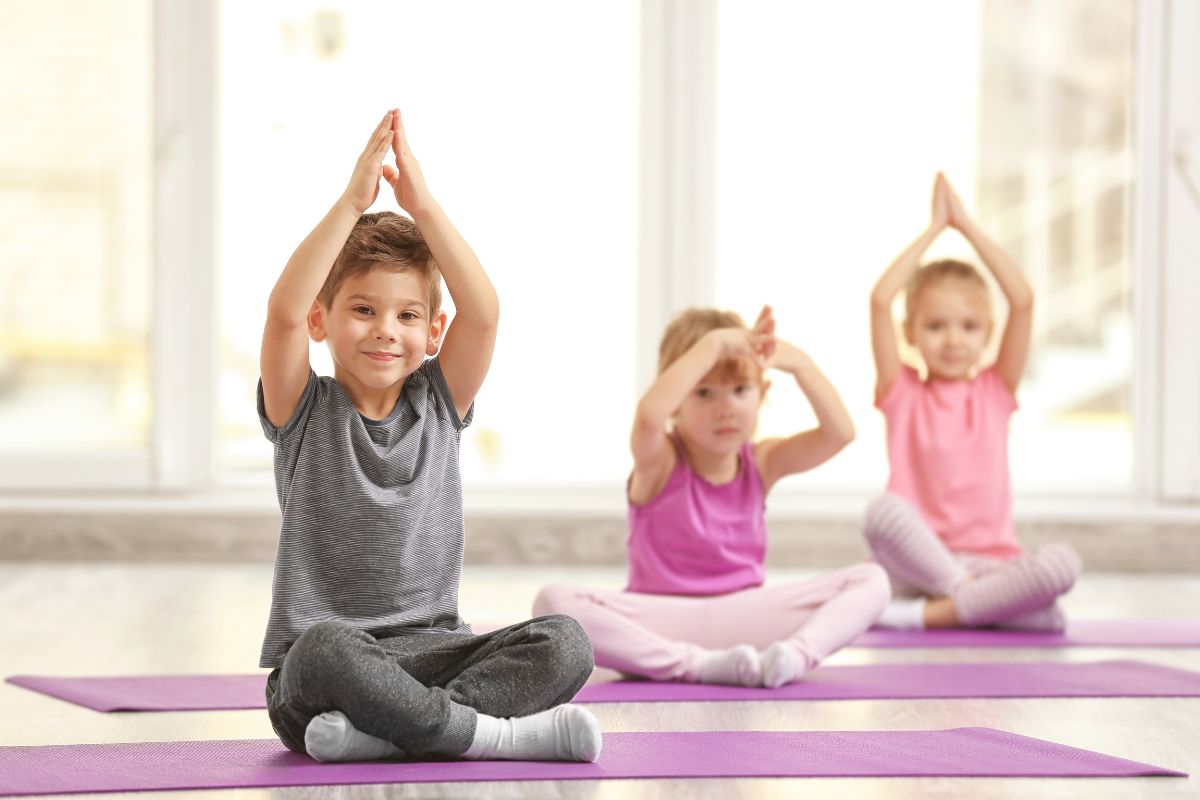 2. Make It Fun
Toddlers are more likely to engage with breathing exercises if they’re fun and interactive. Use playful imagery, sounds, or props to make the exercises enjoyable. The more fun you make it, the more likely your toddler will be willing to participate.
3. Be Consistent
Like any new skill, it takes time for toddlers to learn how to use breathing exercises during a tantrum. Be consistent in practicing these techniques, and eventually, your toddler will start using them on their own when they feel upset.
4. Practice During Calm Moments
Don’t wait until a tantrum occurs to introduce breathing exercises. Practice these techniques during calm moments, so your toddler becomes familiar with them before they need to use them in a challenging situation.
Helping Toddlers Navigate Tantrums with Calmness and Confidence
Breathing exercises can be an invaluable tool in helping toddlers manage their emotions and calm themselves during tantrums.
By incorporating simple, fun breathing exercises into your daily routine, you give your toddler the skills to handle frustration and stress in a healthy way.
Remember, consistency and patience are key to helping your toddler learn these techniques. By practicing together and reinforcing the importance of deep breathing, you can help your toddler develop emotional regulation skills that will serve them well in the future.
Did you find this post useful or inspiring? Save THIS PIN to your PARENTING Board on Pinterest! 😊


You may also like